India's Youth Urged to Embrace Trade Skills Over Traditional Degrees
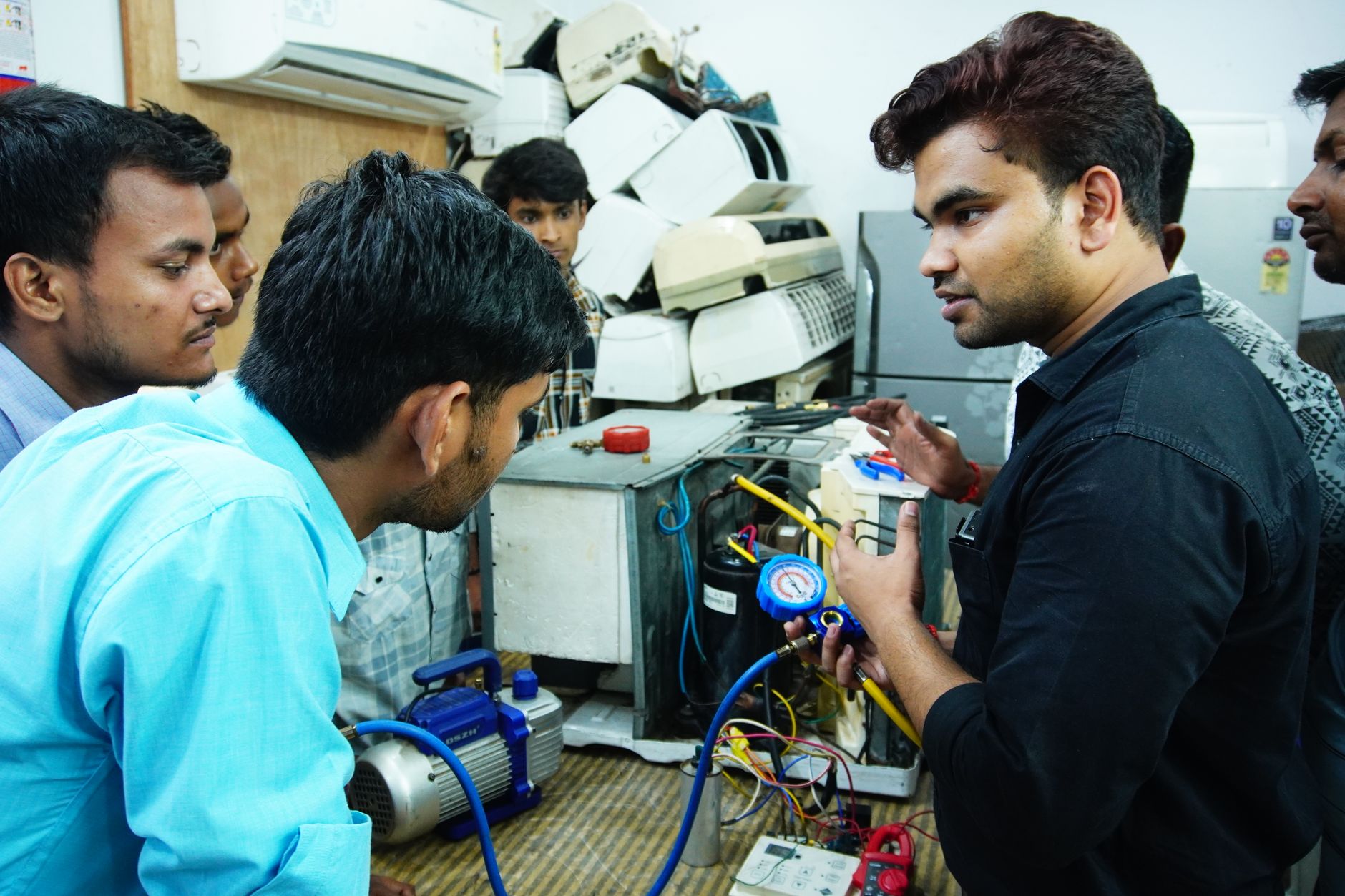
The world of work is set for a seismic shift as India's Chief Economic Advisor, V Anantha Nageswaran, calls upon the nation's youth to pivot their focus from traditional degrees to trade skills. In a bold statement, Nageswaran proclaimed the end of an era dominated by software, computer science, and MBA qualifications. His remarks were made during a plenary session titled “Co-Creating the Future Responsibly: The Role of Business”.
Speaking with clarity and urgency, Nageswaran emphasised that globalisation once favoured these degrees, but the landscape has dramatically changed with the advent of AI and automation. "The skills that cannot be easily replaced by technology are where the future lies," he asserted. This push towards embracing skilled trades is not just about adapting to technological advancements but also about ensuring sustainable employment opportunities for future generations.
A Call for Educational Reform
Nageswaran's comments also touched upon the broader need for educational reform. He advocated for a collaborative approach involving government, industry, and citizens to transition India's educational system from its current state to one that supports global leadership in learning and research. This, he argued, is crucial for India to not only keep pace with global developments but also to lead them.
He further highlighted the importance of physical health alongside skill acquisition, suggesting that a healthy workforce is as crucial as a skilled one. This holistic approach to education and skill development reflects a nuanced understanding of the challenges and opportunities presented by the 21st-century economy.
The Changing Face of Employment
The rise of AI is reshaping job markets worldwide, and India is no exception. As machines increasingly take over routine tasks, the demand for human skills that involve creativity, problem-solving, and manual dexterity is set to rise. This shift not only offers a path to employment security but also holds the promise of revitalising respect for skilled manual professions.
By urging a focus on trade skills, Nageswaran is essentially calling for a cultural and educational shift. The future, he seems to suggest, will belong not to those who cling to the certainties of the past but to those who can adapt to a rapidly changing world.