Jupiter's Unexpected Role in Earth's Genesis of Life
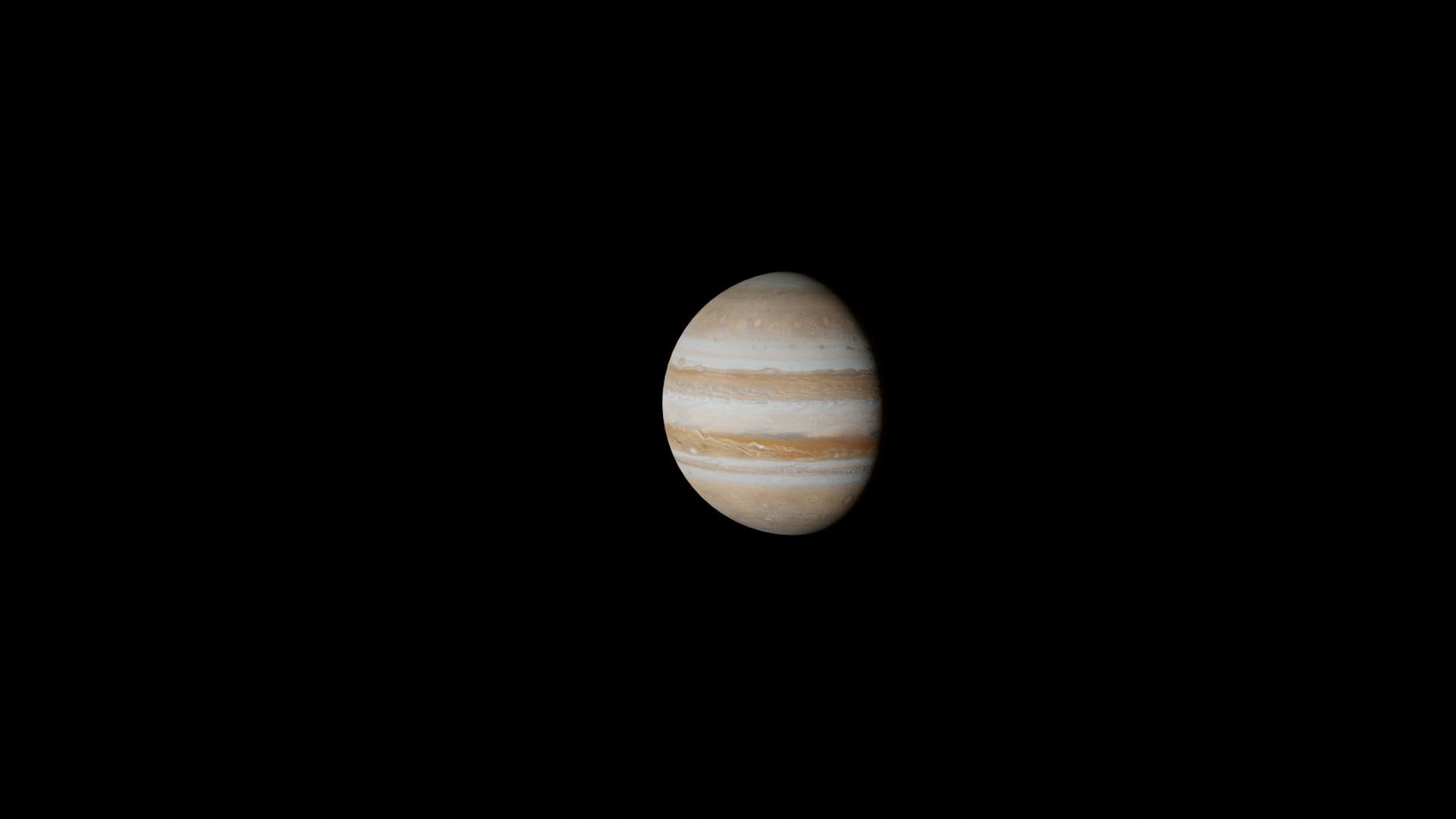
In the vast expanse of our solar system, Jupiter, the gas giant often dubbed the 'King of Planets', may have been more than just a distant observer of Earth’s nascent development. A recent study by NASA-supported scientists, published in the journal Science Advances, suggests that Jupiter played a crucial role in delivering the elements essential for life to early Earth.
Traditionally, it has been assumed that the critical building blocks of life, such as nitrogen and phosphorus, arrived from the icy realms beyond Jupiter. However, this study proposes a different narrative. By examining the ratio of phosphorus to nitrogen, researchers have gleaned insights into how these elements were distributed throughout the young solar system. The findings suggest that these elements were predominantly sourced from the inner solar system, challenging long-held beliefs about the origins of life on Earth.
The Giant's Influence
Jupiter, with its immense gravitational pull, is thought to have acted as a celestial shepherd. It may have directed these life-sustaining elements towards the inner planets, including Earth. This gravitational influence could have effectively funnelled the necessary compounds to our planet, seeding it with the potential for life.
“The implication is profound,” says Dr. Emily Lawrence, lead author of the study. “It redefines our understanding of how habitable planets form and evolve in their early years.”
Understanding Earth's Early Chemistry
The study delves into the chemical processes that may have been at play in the early solar system. By understanding the elemental composition and distribution, scientists can better comprehend the conditions that made Earth uniquely suited for life. Such insights not only enhance our grasp of Earth’s history but also aid the search for life beyond our planet.
While Jupiter’s role in our cosmic neighbourhood has been well-documented, this study opens new avenues of thought regarding planetary formation and the complex interplay of forces that have shaped our solar system.
As scientists continue to unravel the mysteries of our origins, one thing becomes increasingly clear: the history of life on Earth is more intertwined with the cosmos than we ever imagined.