Katalyst Completes Key Tests for Swift Observatory's Orbital Rescue
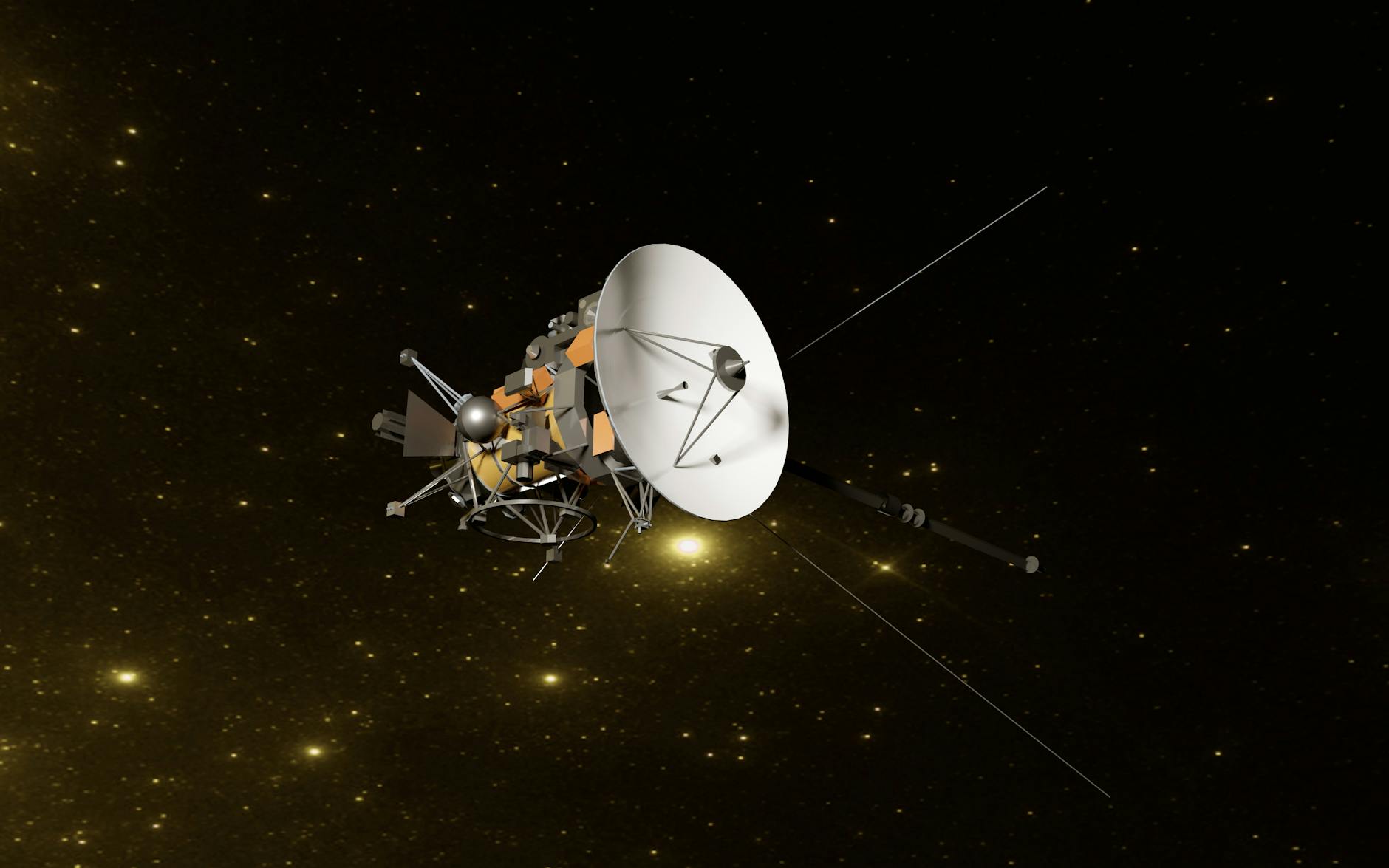
In an era where space is increasingly becoming the domain of private innovation, Katalyst Space Technologies has wrapped up a series of critical tests at NASA's Goddard Space Flight Centre. These tests pave the way for a daring mission set to launch in mid-2026, targeting the elevation of the Neil Gehrels Swift Observatory into a higher orbit.
The Swift Observatory, famed for its gamma-ray burst detection, has been gradually losing altitude. Enter Katalyst's LINK spacecraft, a privately developed technological marvel designed to rendezvous with Swift and boost it higher into the celestial sphere. This operation, reliant on the Pegasus XL aircraft-borne rocket from Northrop Grumman, represents a significant collaboration between private enterprise and public space exploration.
Advancing the Mission
At NASA Goddard, the satellite underwent rigorous vibration and thermal testing, simulating the harsh conditions of space travel. This ensures the LINK spacecraft can withstand the journey and execute its complex docking and boosting procedure. Sophia Roberts, a NASA engineer involved in the project, noted, "These tests bring us one step closer to a successful launch and a new chapter for the Swift Observatory."
The mission underscores a broader trend of private companies playing pivotal roles in space missions traditionally dominated by government agencies. Katalyst's involvement not only aims to extend the Swift's operational life but also showcases the potential for private-public partnerships in advancing space exploration.
Why It Matters
The successful completion of these tests marks a critical juncture, highlighting the collaboration's potential to redefine how aging satellites are managed. With space becoming an increasingly congested domain, boosting the Swift to a higher orbit could prevent it from becoming space debris, a growing concern for satellite operators globally.
As the countdown to the mid-2026 launch continues, all eyes will be on Katalyst and NASA to see if this partnership can indeed set a new precedent in orbital maintenance and sustainability. The mission's success could open doors to similar collaborations, as space agencies look to innovative solutions for ongoing challenges.