Kerala's Library Science Graduates Face Grim Job Prospects
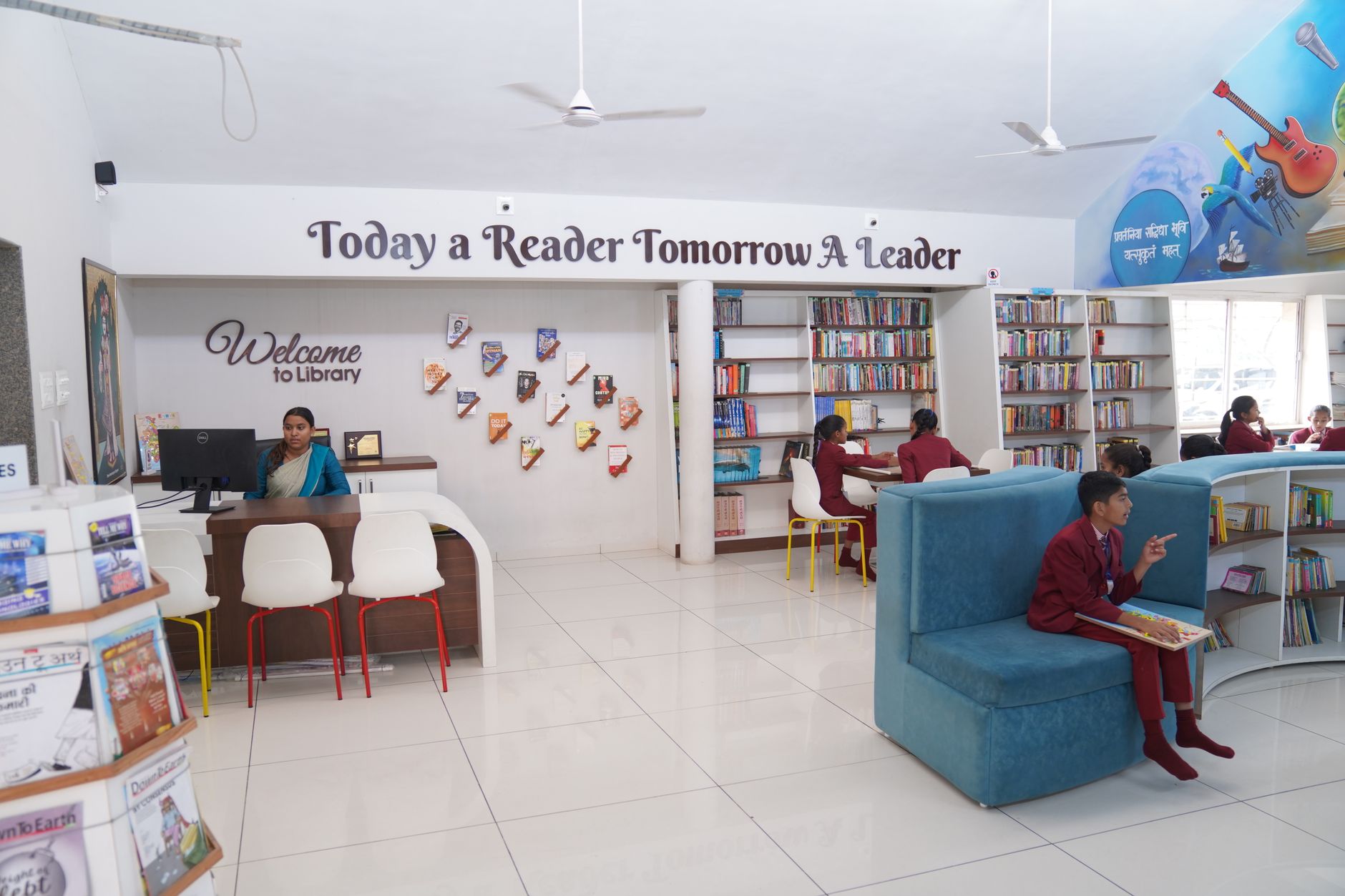
In the sunlit classrooms of Kerala, a shadow looms over the future of Library Science graduates. As government schools increasingly delegate library management to teachers, these graduates are left pondering their professional destinies. The absence of dedicated librarian positions in schools is not only a regional anomaly but a symptom of a broader issue affecting the library science workforce.
The reliance on teachers to manage libraries is ostensibly a cost-cutting measure. However, it risks undermining the specialised skills that trained librarians bring to the educational environment. These professionals are equipped with the expertise to cultivate a rich repository of knowledge, foster information literacy, and support digital education initiatives. Yet, without the roles to apply these skills, their qualifications remain largely underutilised.
The Broader Picture
This predicament is not confined to Kerala. Across India and indeed globally, the library science profession is navigating uncertain waters. The digital era, while opening new avenues for information access, has also led to the re-evaluation of traditional library roles. Employment projections for librarians and media specialists forecast a mere 2% growth from 2020 to 2030, suggesting a stagnant job market.
The transition from academia to employment is fraught with challenges for many graduates. A 2025 study highlighted that while 60% of library science graduates found employment within the sector, this figure has been gradually declining. The gap between degree completion and job acquisition can extend for months, leaving many in a state of professional limbo.
Future Prospects
Addressing this issue requires a concerted effort from educational institutions, governments, and the library profession itself. Reimagining the role of libraries in the digital age might involve integrating librarians more deeply into the educational framework, beyond mere custodianship of books. This entails recognising their potential as pivotal players in developing digital literacy and critical thinking skills among students.
For now, Library Science graduates must navigate a complex landscape, balancing optimism with realism. As the profession evolves, they will need to adapt, possibly diversifying their skills to align with the broader information economy. Only through such adaptability can they hope to secure their future in an ever-changing world.