MAVEN Unveils Mysterious Atmospheric Effect on Mars
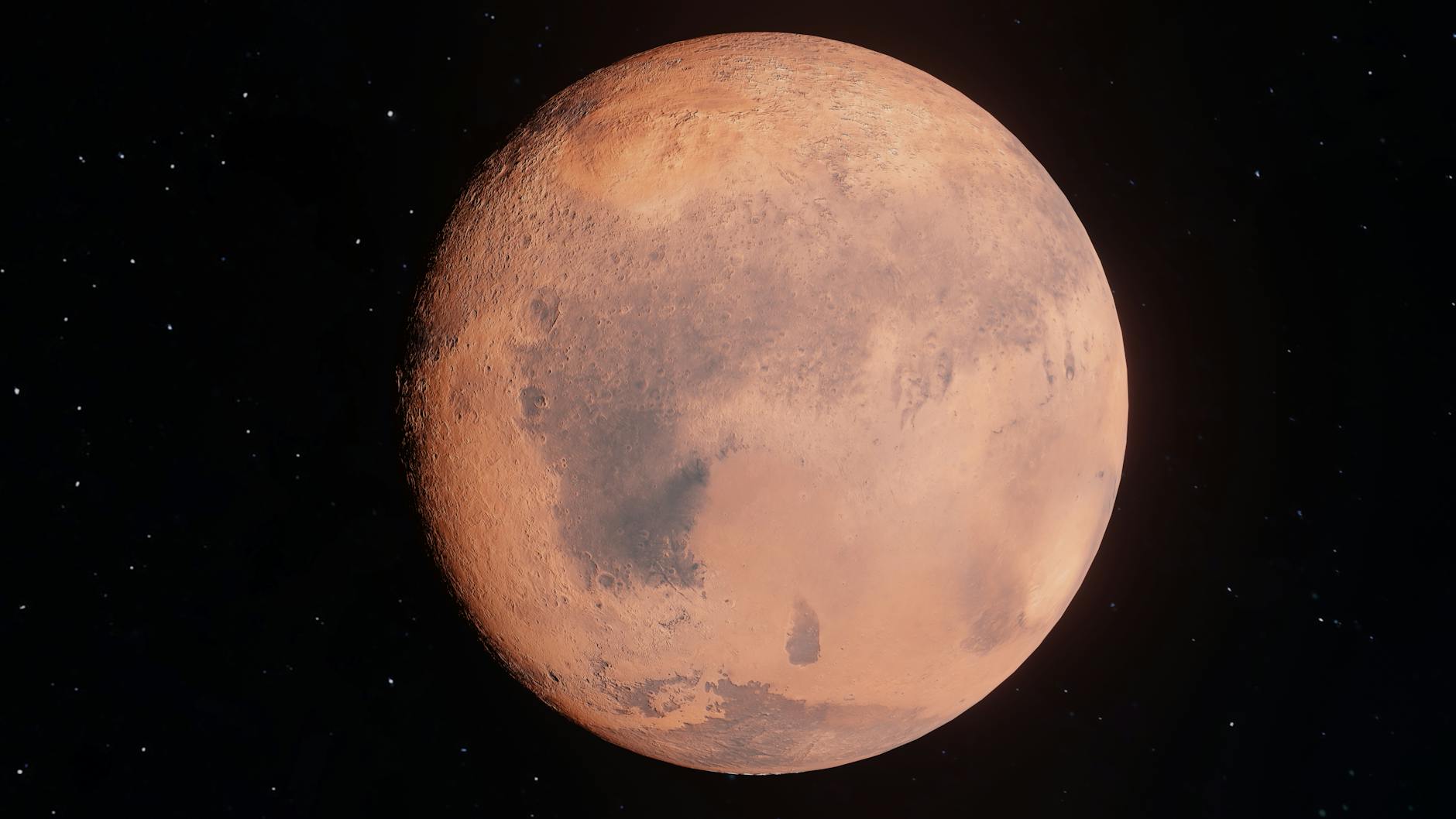
In a discovery that might well redefine our understanding of Martian atmospheric dynamics, NASA's MAVEN mission has detected the Zwan-Wolf effect in the Red Planet's atmosphere. This marks the first time this elusive phenomenon, previously only observed in planetary magnetospheres, has been recorded in an atmosphere.
The Zwan-Wolf effect, first identified in 1976, involves complex interactions between solar winds and a planet's magnetic field. Mars, however, lacks a global magnetic field, making this detection all the more intriguing. The MAVEN team has spent a decade sifting through data, and this discovery is a testament to their perseverance.
Implications for Martian Science
Understanding the Zwan-Wolf effect on Mars offers valuable insights into how the planet's atmosphere is stripped away over time. Without the protective shield of a magnetic field, Mars is more vulnerable to the erosive forces of solar winds, which relentlessly carry away volatile compounds from its upper atmosphere. This phenomenon could explain how Mars transitioned from a once water-rich world to the arid desert we see today.
The implications extend beyond academic curiosity. By studying how Mars loses its atmosphere, scientists can refine models predicting the planet's climate evolution, which could, in turn, inform future exploration missions.
A New Chapter in Martian Exploration
This finding not only highlights the capabilities of the MAVEN spacecraft but also underscores the importance of continuous observation and research in space exploration. Mars remains a compelling subject in our quest to understand planetary evolution, not least because of its potential for past life.
As NASA continues to unravel the mysteries of the Red Planet, each discovery brings us a step closer to comprehending the complex interplay of forces that shape planets. The Zwan-Wolf effect is just one chapter in a story that, it seems, has many more to tell.