Meta’s AI Push Sparks Employee Discontent and Unrest
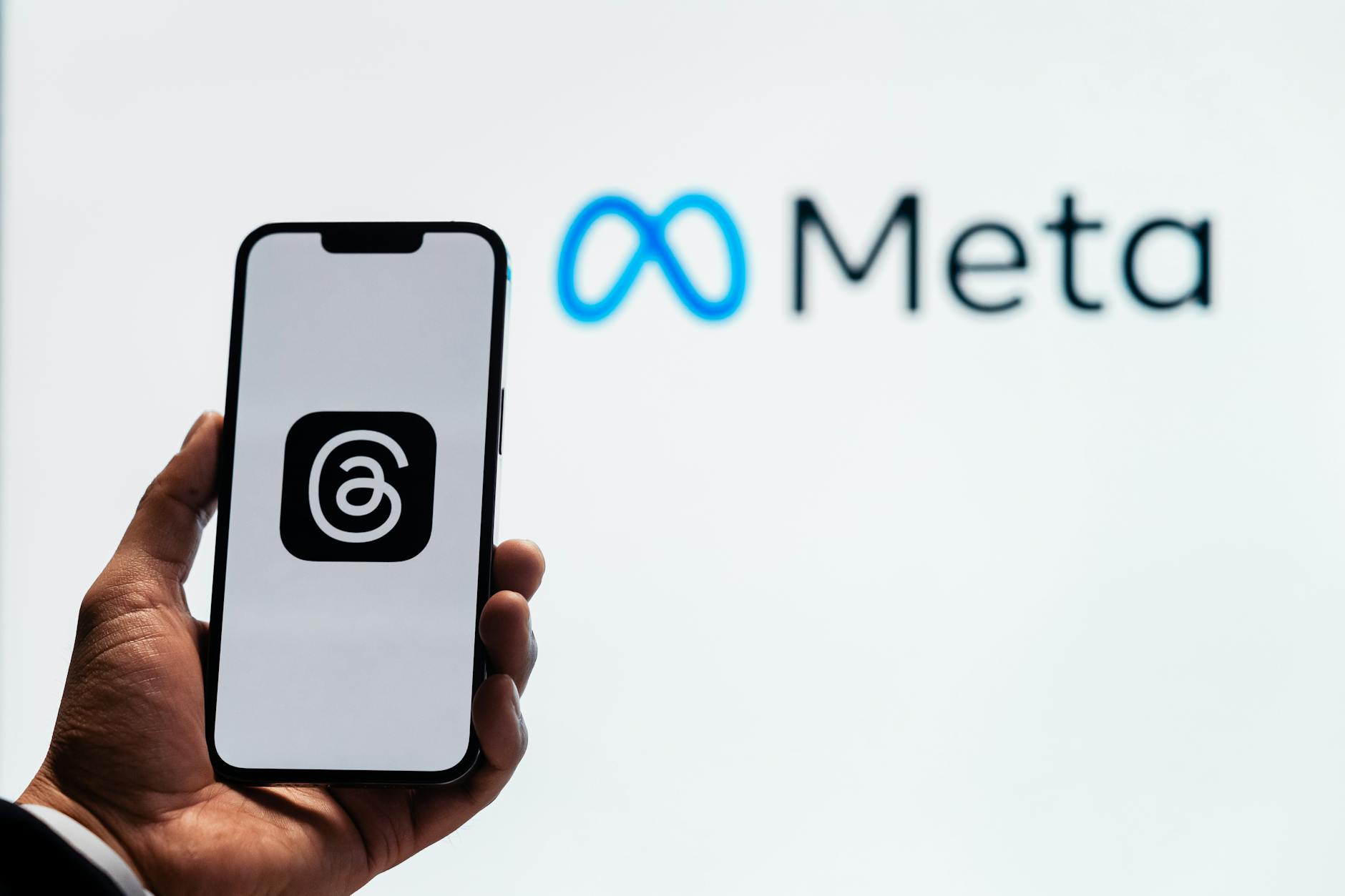
In the bustling corridors of Meta's headquarters, a palpable unease has settled among the employees. The tech giant's zealous adoption of artificial intelligence has become a bone of contention, as workers grapple with the increasing pressure to incorporate AI tools into their workflows. The company’s insistence on tying performance reviews to AI usage has left many feeling as if they are being nudged into a technocratic future without room for dissent or discussion.
For Meta's 78,000 employees, the mandate has been clear: embrace artificial intelligence or risk falling behind. This shift, however, has not been met with universal enthusiasm. Employees have taken to anonymous forums, voicing their frustrations about the new metrics being used to assess their performance. "It's like being constantly watched," one employee lamented online, encapsulating the sentiment of many who feel their autonomy is being eroded.
Moreover, with the spectre of a 10% workforce reduction looming, anxiety levels have soared. Meta's decision to lay off a significant portion of its staff, ostensibly to offset the costs associated with its AI investments, has only compounded the sense of instability. The company's move to track computer activity in order to refine its AI models is viewed by some as an overreach, further straining the already fragile morale.
A Culture of Discontent
The cultural shifts within Meta are not without precedent. In recent years, the tech industry has seen a broader trend of companies striving to integrate AI into their operations. However, Meta's approach—characterised by its top-down, accelerated implementation—has sparked particular ire. Employees argue that the pace of change is unsustainable, fostering a climate of fear rather than innovation.
Those who remain at Meta find themselves navigating a landscape fraught with uncertainty. While some argue that AI is the future of the industry, others highlight the human cost of such rapid transformations. This internal discord is indicative of a larger debate within the tech world about the role of AI and the balance between technological advancement and employee well-being.
As Meta continues its foray into artificial intelligence, it faces the challenge of reconciling its ambitious technological goals with the human element that drives its success. Whether the company can manage this delicate balancing act remains to be seen, but for now, the tension within its ranks is undeniable.