Meteorite Discovery in Sahara Hints at Ancient Mars-Sized Planet
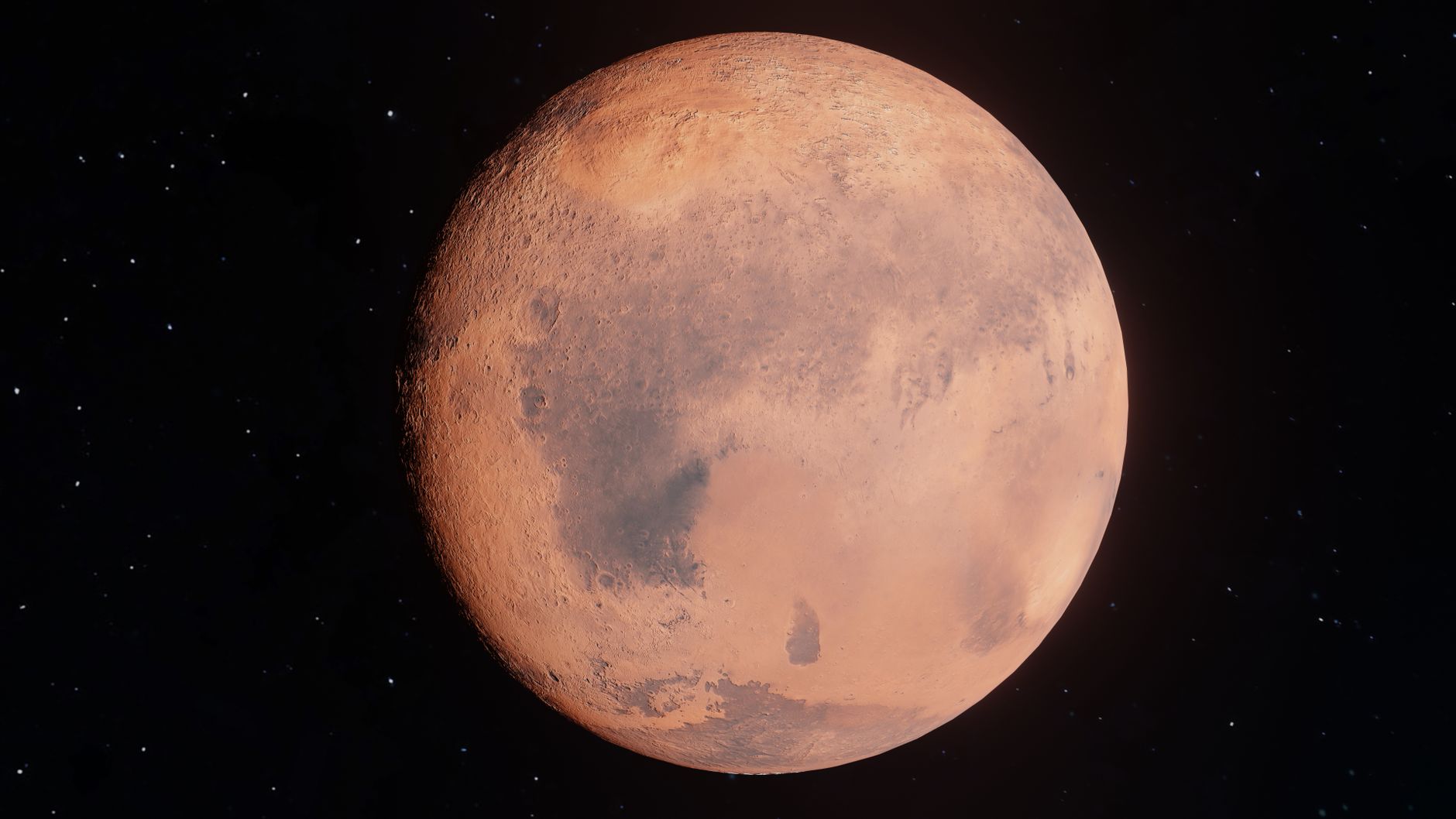
In the boundless stretches of the Sahara Desert, a meteorite has been unearthed, bearing secrets of a bygone era. This celestial fragment, dubbed Northwest Africa (NWA) 12774, offers a tantalising glimpse into a time when a Mars-sized planet might have orbited our Sun.
Scientists have delved into the composition of this rare angrite meteorite, uncovering high-pressure mineral crystals. These formations suggest that the meteorite's origins lie within a massive, moon-sized planetary body. The discovery, published in Earth and Planetary Science Letters, challenges long-held beliefs about the early solar system's architecture.
A Lost World
Until now, the notion of a protoplanet of such significant size was speculative at best. However, NWA 12774 provides the first direct evidence of a colossal celestial body that may have existed a few million years post the solar system's formation. These findings not only shed light on the solar system's chaotic early days but also raise questions about the evolution of planetary bodies.
Implications for Solar System History
The meteorite's mineralogical evidence suggests it was forged under immense pressure, likely within a large protoplanet. Such conditions are indicative of a planet-sized body that experienced significant internal heating and differentiation — a process where a body separates into layers based on density.
This discovery opens new avenues for understanding planetary formation and migration. It suggests that the early solar system was more populous with planet-sized bodies than previously thought, some of which may have been ejected or obliterated through cosmic collisions.
As researchers continue to analyse the meteorite's structure, the scientific community is abuzz with the possibilities this find presents. It prompts a reevaluation of how planets formed and interacted in the nascent solar system. The story of NWA 12774 is far from complete, yet it already enriches our understanding of the universe's formative processes.