Monstrous Scorpions and Ancient Whales: This Week in Science
The week in science has been nothing short of extraordinary, with discoveries that stretch the boundaries of our knowledge and imagination. Leading the charge is the uncovering of the world's largest scorpion, a creature of such scale that it has left entomologists both thrilled and puzzled. Found in a secluded desert region, this scorpion dwarfs its known counterparts, raising questions about the evolutionary pressures that led to its size.
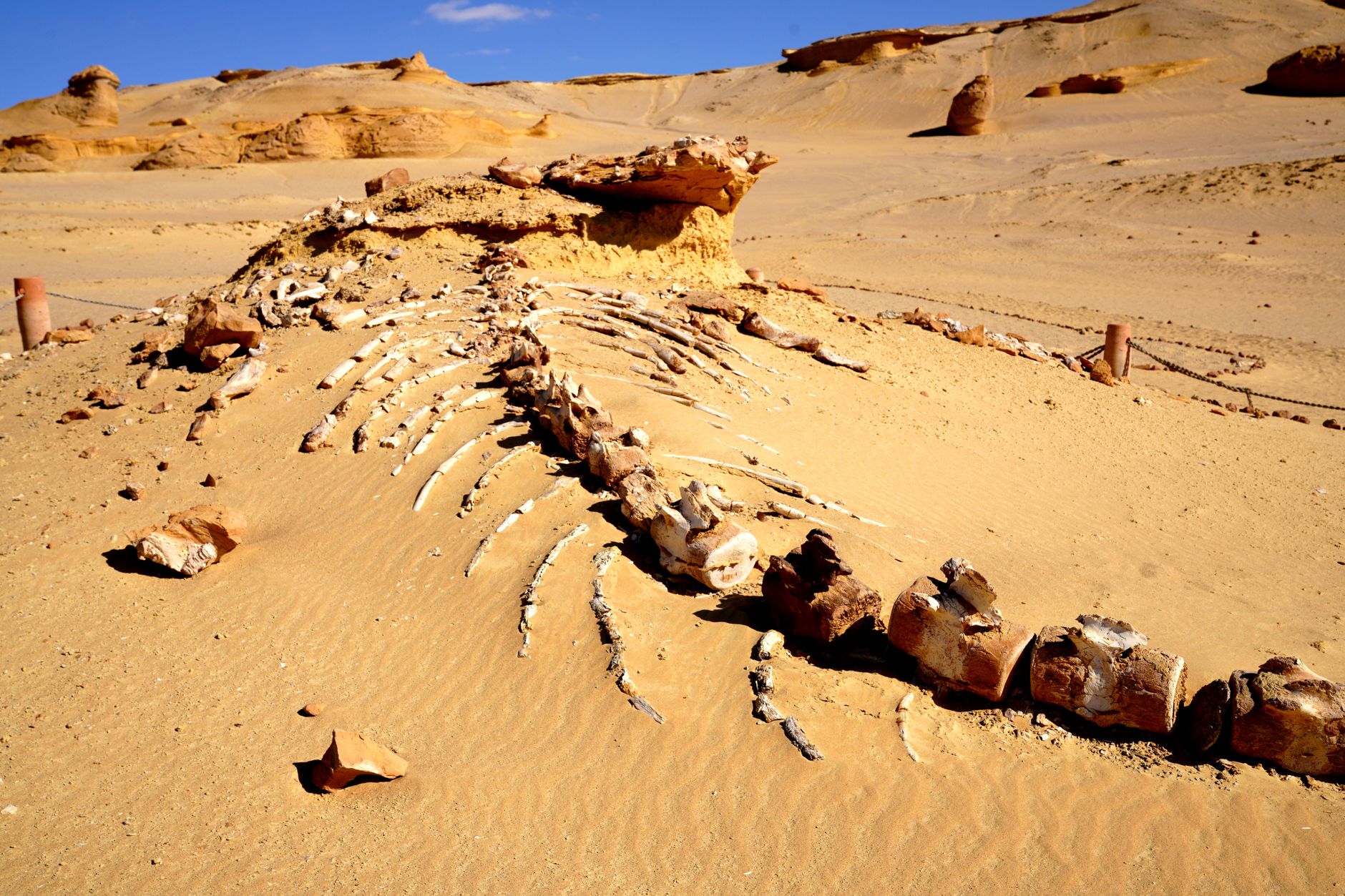
Meanwhile, beneath the surface of the Indian Ocean, another monumental discovery has been made. Chinese researchers have stumbled upon what they describe as the largest whale graveyard ever recorded. Spanning an incredible 750 miles of seafloor, this underwater cemetery is home to nearly 500 whale skeletons, ranging from ancient fossils to more recent carcasses. This find is not merely a spectacle of size but a repository of information on how marine ecosystems operated millions of years ago.
The Enigma of the Giant Scorpion
The colossal scorpion, aside from its sheer size, presents a fascinating challenge to scientists who are eager to decipher its lineage. Its discovery in a remote locale suggests a hidden evolutionary history that could offer insights into how environmental factors influence the development of species. The implications of this find are profound, potentially reshaping our understanding of arachnid adaptation in harsh climates.
A Subaquatic Time Capsule
In stark contrast, the whale graveyard offers a glimpse into the oceanic past. Fossils dating back as far as 5.3 million years intermingle with the remains of modern whales, creating a timeline of species that once thrived in these waters. The site also hosts a range of deep-sea scavengers, some of which may be new to science, highlighting the ocean's role as a cradle of biodiversity. As researchers analyse these remains, they hope to unlock secrets about the evolutionary paths of marine life and the environmental changes they endured.
These discoveries, though disparate, underscore the vastness of what remains unknown in the natural world. Each offers a new chapter in the unfolding story of life on Earth, reminding us of the intricate tapestry of life that science strives to understand.