Nagaland's Discovery: A New Frog Species Emerges
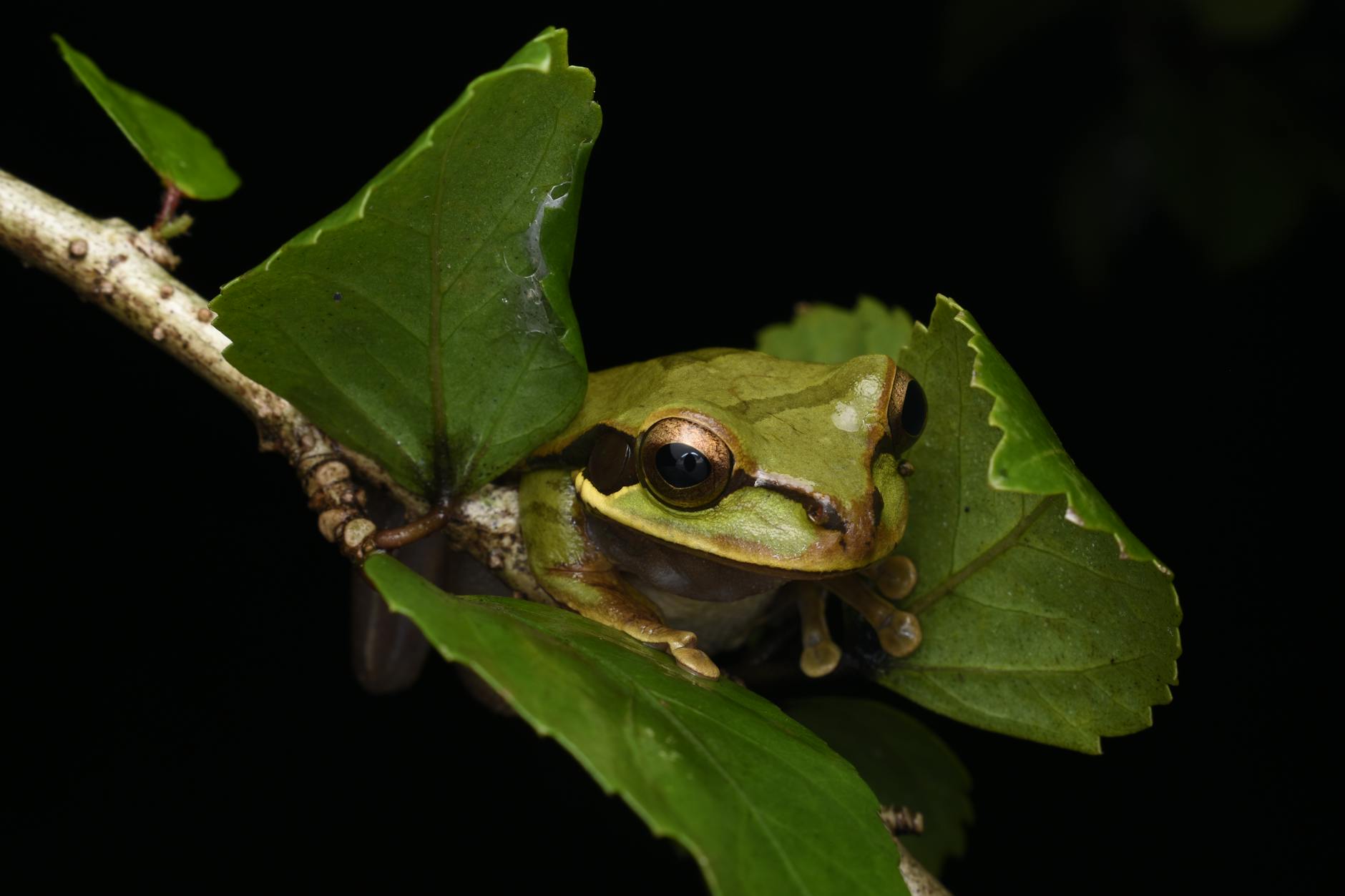
In a remarkable scientific breakthrough, researchers have identified a new species of cascade frog in the remote village of Singrep, nestled in Nagaland's Kiphire district. This discovery, made during field surveys by the Zoological Survey of India in August 2024, marks a significant addition to the genus Amolops, which already boasts 90 recognised species.
The newly discovered amphibian adds to the 20 species of cascade frogs previously reported from India, underscoring the country's rich biodiversity. It highlights the unexplored potential of the North-East region, often overlooked in the broader ecological discourse.
A Leap Forward in Biodiversity
The discovery of this new frog species is not merely an addition to academic records but a testament to the ecological richness of Nagaland. The region's varied topography and climate provide a unique habitat that supports diverse life forms, many of which remain undiscovered.
Dr. Pankaj Sharma, lead researcher from the ZSI Shillong centre, noted that the frog's unique characteristics distinguish it from its relatives. 'This discovery is a reminder of how much remains hidden in our natural world, waiting to be unveiled,' he remarked.
Conservation Imperatives
The revelation comes at a time when biodiversity conservation is more crucial than ever. With many species facing threats from habitat loss and climate change, the new find serves as a clarion call to bolster conservation efforts in the region.
The North-East of India, particularly Nagaland, is a hotspot for biodiversity. However, it also faces challenges due to deforestation and human encroachment. The discovery of the new cascade frog species is not just a scientific triumph but a poignant reminder of the need to protect these fragile ecosystems.
As researchers continue their work, the world watches with bated breath, hopeful that such discoveries will fuel a renewed commitment to environmental conservation, ensuring that the treasures of Nagaland remain for future generations to admire and study.