NASA's Fermi Mission Hints at New Insights into Stellar Explosions
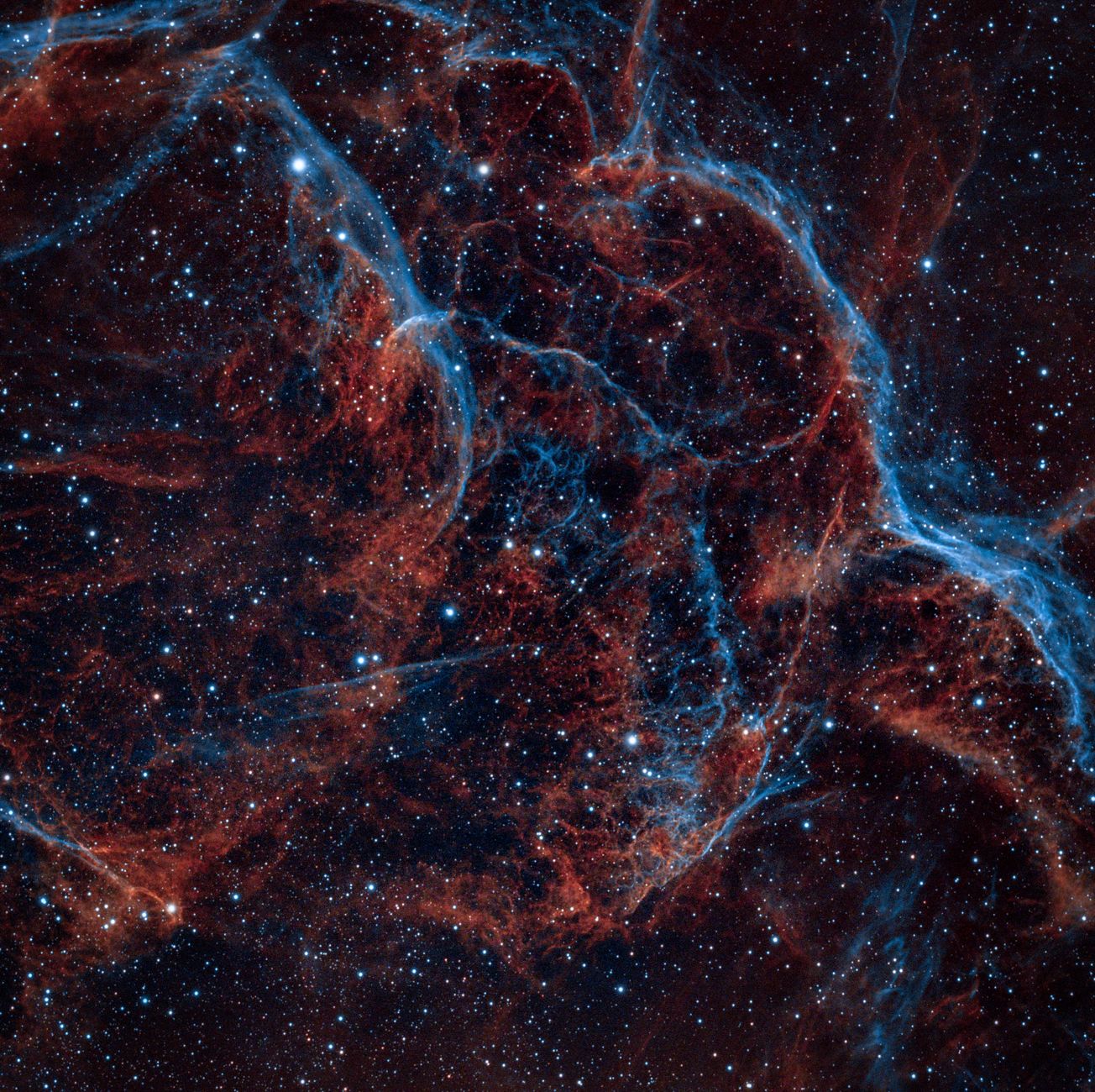
In a revelation that might just alter our understanding of the universe, NASA’s Fermi Gamma-ray Space Telescope has uncovered potential siblings among supernova remnants. This discovery represents a significant leap forward in the quest to unravel the mysteries behind cosmic rays.
When stars reach the end of their lives, they often explode in a spectacular display known as a supernova. The remnants of these colossal explosions have long been subjects of interest to astronomers, particularly for their role in accelerating particles to near-light speeds. Now, with Fermi’s Large Area Telescope (LAT), scientists have identified gamma-rays from these remnants, providing the first clear-cut evidence of their familial connections.
Unveiling the Cosmic Puzzle
Cosmic rays, which are high-energy particles that travel through space at incredible speeds, have puzzled scientists since their discovery. Understanding their origins and behaviour is crucial for piecing together the broader cosmic puzzle. Fermi's observations suggest that these gamma-rays, produced when cosmic rays interact with their surroundings, offer vital clues.
“Gamma rays travel directly to us,” explains Elizabeth Hays, the Fermi project scientist. This direct journey allows astronomers an unfiltered glimpse into the processes that govern the universe's most dynamic phenomena.
Implications for Astrophysics
The implications of this discovery extend far beyond mere academic curiosity. By mapping these gamma-ray emissions, scientists can trace the life cycle of stars and understand the forces that shape galaxies. This knowledge not only enriches our grasp of astrophysics but also informs our search for life beyond Earth.
While the discovery of possible sibling supernova remnants might seem esoteric, it is a testament to human curiosity and our relentless pursuit of knowledge. As Fermi continues to chart the gamma-ray universe, who knows what other secrets of the cosmos might be revealed?