NASA's Fermi Telescope Uncovers the Power Behind Supernovae
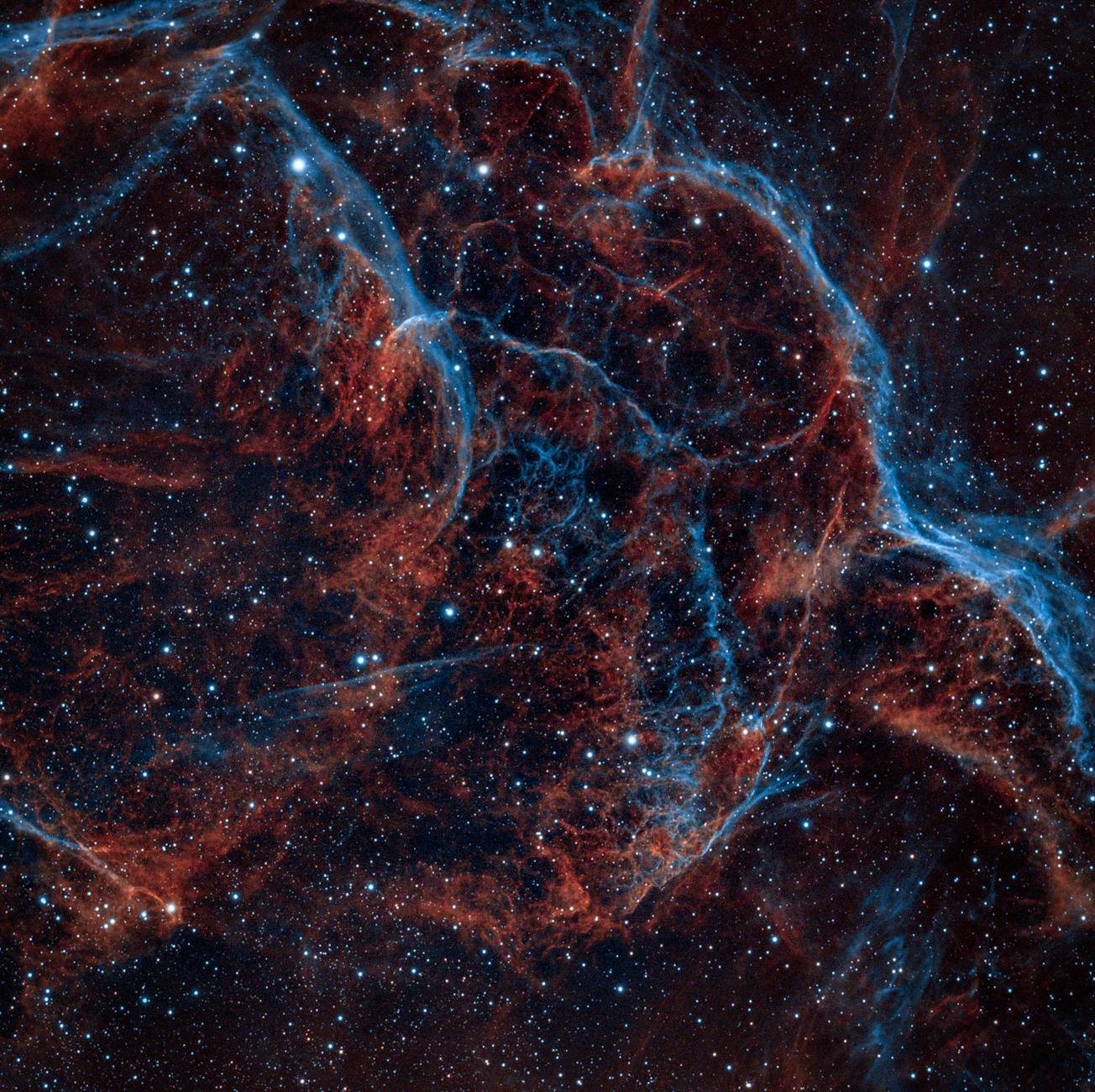
In the vast theatre of the cosmos, stars that explode in magnificent displays of light are not unusual. Yet, a recent detection by NASA's Fermi Gamma-ray Space Telescope has offered a glimpse into a particularly extraordinary celestial event: a superluminous supernova.
The supernova in question, observed by an international team of scientists, is no ordinary stellar explosion. It is luminous to an extent that compels astronomers to reconsider the mechanics behind such phenomena. The Fermi mission, part of NASA's fleet of observatories, has detected gamma rays emanating from this supernova, confirming not only its existence but also its remarkable intensity.
The Source of Stellar Power
At the heart of this discovery lies a supermagnetized neutron star, or magnetar, formed in the wake of the stellar collapse. These objects are known for their extreme magnetic fields and rapid rotation, characteristics that make them potent sources of energy. The team of researchers, including experts from Louisiana State University, has surmised that this magnetar is the powerhouse driving the supernova's extraordinary brightness.
This breakthrough is significant, not merely for the light it sheds on one supernova, but for the broader implications it holds for our understanding of stellar evolution. Neutron stars and the phenomena they drive are pivotal in the cosmos, affecting everything from galactic dynamics to the synthesis of heavy elements.
Rewriting the Cosmic Script
While supernovae have long been subjects of fascination, this detection challenges pre-existing notions about their luminosity limits. It prompts questions about the frequency of such events and the possible existence of other unobserved superluminous supernovae scattered across the universe.
Astrophysicists now face the task of integrating these findings into existing models of stellar physics. The Fermi telescope's contribution underscores the role of advanced observational tools in unveiling the mysteries of the universe. As we refine our cosmic models, each discovery like this brings us one step closer to comprehending the vast, enigmatic universe we inhabit.