NASA's MAVEN Unveils Unprecedented Atmospheric Phenomenon on Mars
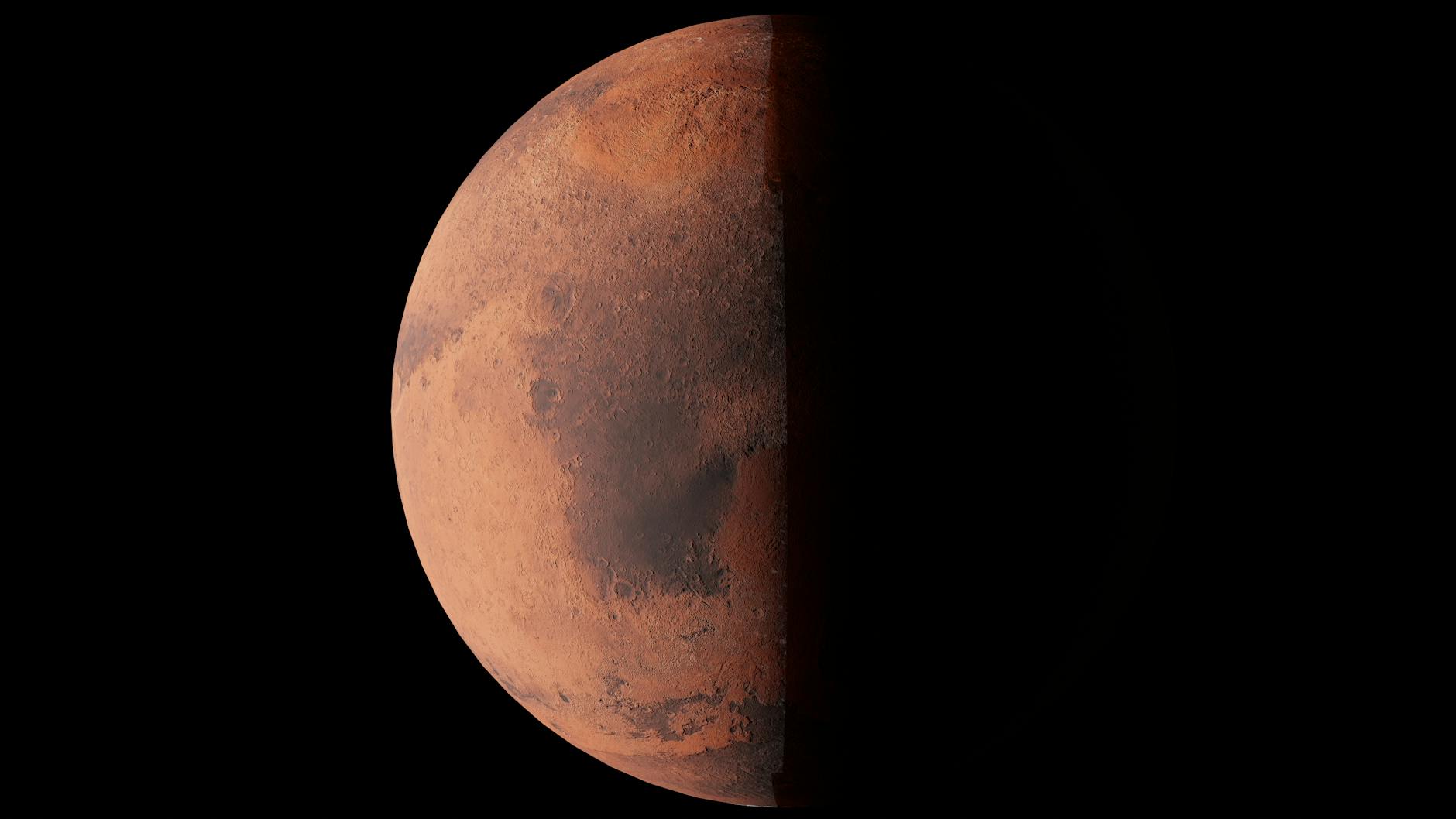
In an extraordinary scientific breakthrough, NASA's MAVEN spacecraft has revealed a previously unseen atmospheric effect on Mars. The Zwan-Wolf effect, a phenomenon until now only observed in planetary magnetospheres, has been detected in the Martian atmosphere, marking a significant leap in our understanding of the Red Planet.
The MAVEN mission, dedicated to studying the Martian atmosphere, has been orbiting Mars for nearly a decade. Its recent findings have unveiled how the solar wind—a stream of charged particles emanating from the Sun—interacts with Mars, which lacks the protective embrace of a global magnetic field like Earth's.
The Zwan-Wolf Effect
First documented in 1976, the Zwan-Wolf effect typically occurs within planetary magnetospheres. Its presence in Mars' atmosphere highlights the unique ways in which the planet responds to solar activity. Without a magnetic shield, Mars' atmosphere is directly bombarded by solar particles, leading to what scientists term 'sputtering'—a process where atmospheric particles are ejected into space.
According to Dr. Sarah Johnson, a leading scientist on the MAVEN team, "This discovery is akin to finding a piece of a puzzle that was missing for decades. Understanding this effect on Mars could yield clues about the planet's past, particularly regarding the disappearance of its ancient water bodies."
Implications for Mars' Past
The implications of MAVEN's findings extend beyond academic curiosity. The loss of Mars' water has long puzzled scientists, and insights into atmospheric escape mechanisms like sputtering could provide critical answers. If Mars once harboured vast oceans, understanding how they vanished is vital for piecing together the planet's climatic history.
As the MAVEN mission continues, this discovery may pave the way for further revelations about Mars' atmosphere and its interaction with the solar system. For now, the Zwan-Wolf effect stands as a testament to the complex and dynamic nature of planetary atmospheres, even on a world as barren as Mars.