NASA's Prithvi: A New Era in AI Geospatial Modelling
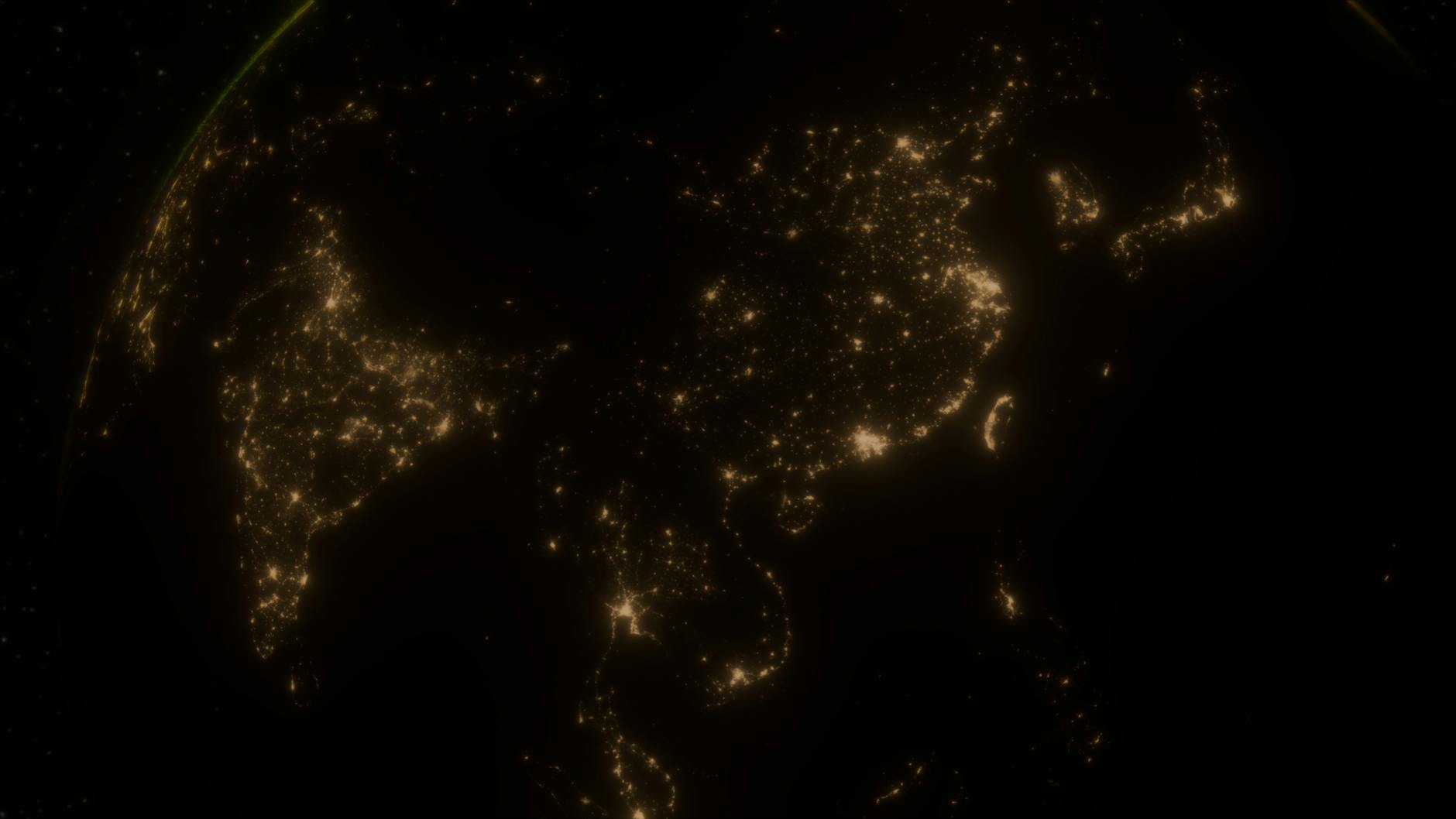
In a move that could redefine the future of Earth observation, NASA and IBM have unveiled Prithvi 2.0, the world's first AI geospatial foundation model in orbit. With a staggering 600 million parameters, Prithvi 2.0 marks a sixfold increase in capacity from its predecessor, Prithvi 1.0. The model has been trained on a rich tapestry of Landsat 8 and Sentinel-2 imagery, enabling it to offer unprecedented insights into our planet's changing landscapes.
Prithvi 2.0 is not merely an incremental upgrade; it represents a tectonic shift in how geospatial data can be harnessed. By making this technology accessible to open science users, startups, and enterprises, NASA and IBM are democratising access to powerful AI tools. This model simplifies the complexities of AI training and deployment, allowing a broader range of stakeholders to engage with and benefit from AI-driven geospatial analysis.
A Leap Forward in Earth Observation
The release of Prithvi 2.0 follows the success of previous models, Prithvi-EO-1.0 and Prithvi-EO-2.0. These models have already proved invaluable in tasks such as flood inundation mapping, a crucial capability in the wake of increasing climate variability and extreme weather events. The introduction of Prithvi WxC further extends these capabilities, addressing both immediate weather challenges and longer-term climate predictions.
Unveiled at the IBM THINK 2023 conference, Prithvi 2.0 is more than a technical achievement; it is a testament to the collaborative spirit between NASA and IBM. This partnership aims to foster innovation by openly sharing their advancements with the global scientific community. The model's open-source nature ensures that its potential applications are as vast as they are varied, from improving agricultural practices to enhancing disaster response efforts.
The Broader Implications
As climate change continues to pose significant challenges, the ability to accurately map and predict environmental changes is invaluable. Prithvi 2.0's advanced capabilities could play a pivotal role in equipping policymakers, researchers, and businesses with the data needed to make informed decisions. By enhancing our understanding of Earth's dynamics, this model could ultimately contribute to more sustainable management of natural resources.
NASA's Prithvi 2.0 exemplifies the potential of AI to transform our interaction with the planet. As this technology becomes more integrated into routine applications, its impact on both scientific inquiry and everyday life is likely to be profound, heralding a new era where AI not only observes the Earth but helps shape its future.