NASA's Psyche Mission: A Celestial Dance with Mars
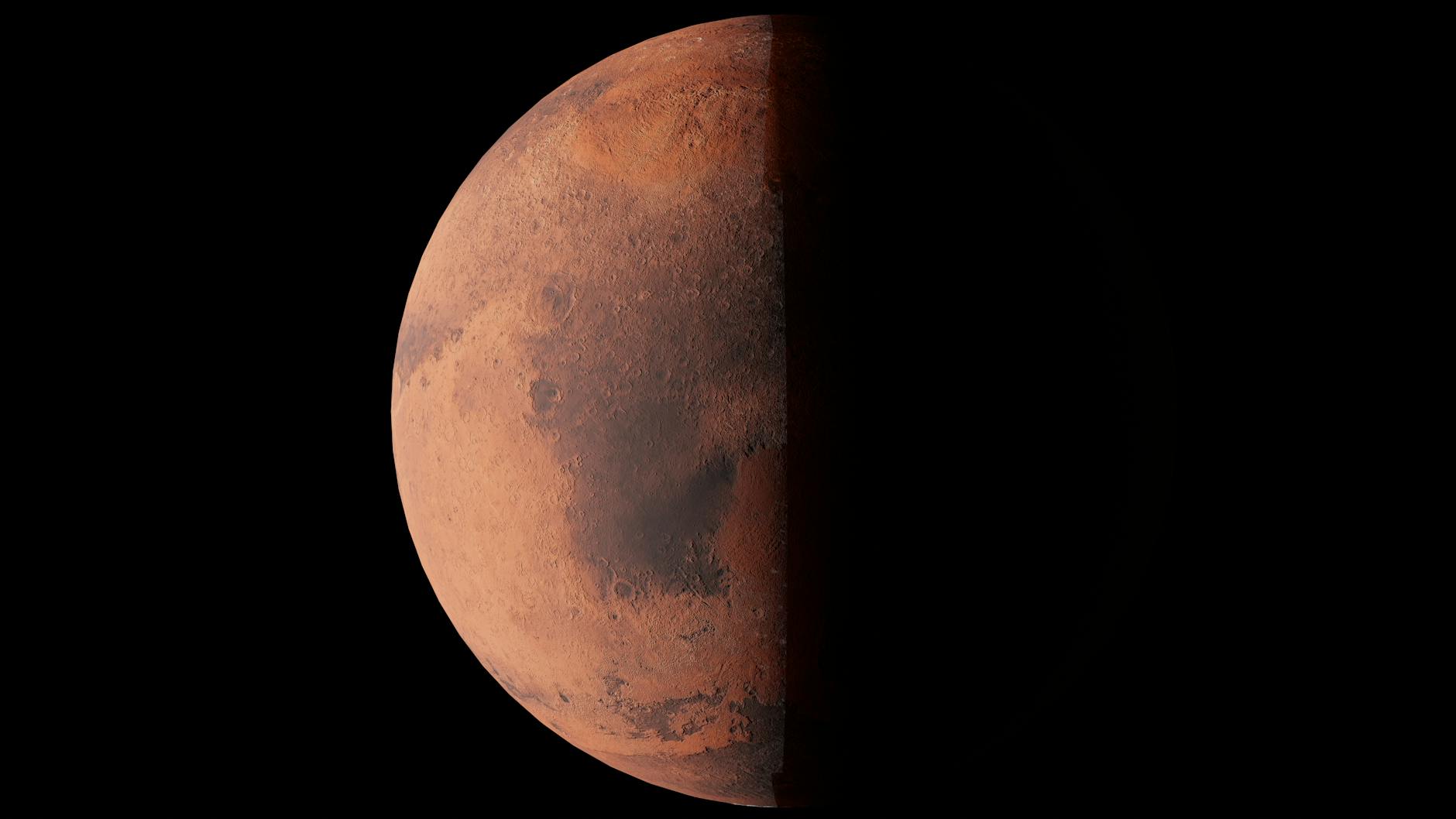
In the vast theatre of space, where gravity wields its invisible script, NASA’s Psyche mission is set to execute a finely-tuned cosmic performance. On 15 May, the spacecraft will graze past Mars, harnessing its gravity to propel itself towards its ultimate destination: the metal-rich asteroid known as Psyche.
This celestial manoeuvre, known as a gravity assist, is a staple in the toolkit of interplanetary missions. By capitalising on Mars’ gravitational pull, the spacecraft can save significant amounts of propellant, effectively using the planet's natural forces in lieu of its own propulsion system. The planned flyby will see Psyche pass a mere 2,800 miles above the Martian surface, travelling at a brisk 12,333 mph.
Why This Matters
The significance of this mission extends beyond mere fuel efficiency. Gravity assists provide a unique opportunity to test and calibrate scientific instruments in the field. As the Psyche spacecraft approaches Mars, it will capture images and data that offer scientists a chance to refine their tools and techniques, ensuring they are primed for the asteroid exploration ahead. Such opportunities are invaluable for gathering preliminary data and ensuring mission readiness.
The asteroid Psyche, which the mission is named after, represents a tantalising target for exploration. Believed to be composed largely of metallic iron and nickel, it could offer insights into the building blocks of planetary cores, potentially revealing secrets about our own planet’s formation.
The Bigger Picture
NASA’s innovative approach with the Psyche mission underscores the broader strategy of leveraging natural celestial mechanics to extend the reach of human technology. It’s a testament to human ingenuity and our relentless pursuit of knowledge beyond our terrestrial confines. As the spacecraft continues its journey, it carries not just scientific instruments but the aspirations of humanity, ever eager to unravel the mysteries of the cosmos.