NASA's TESS Unveils a Spectacular Celestial Panorama
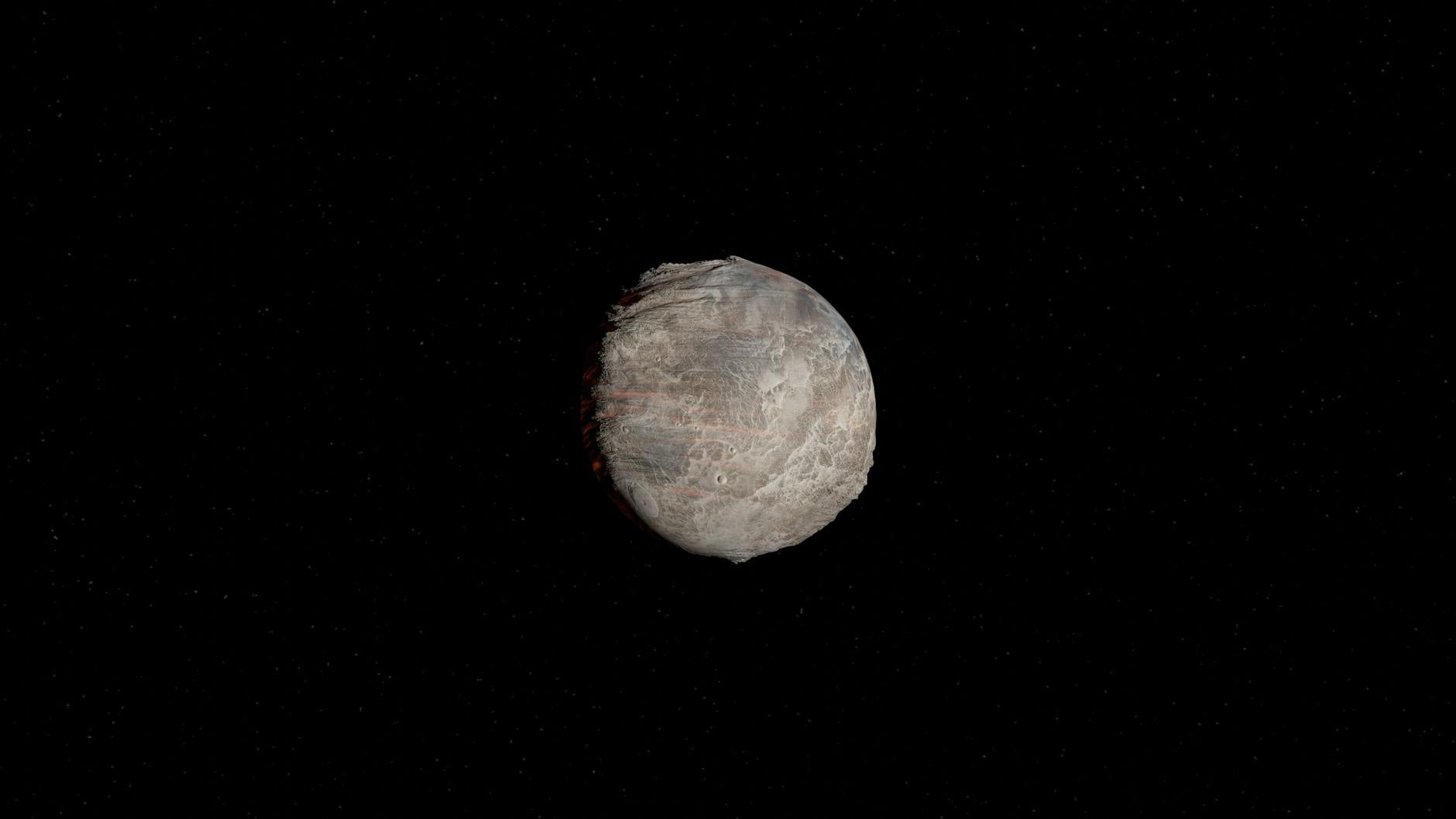
In a dazzling display of cosmic discovery, NASA's Transiting Exoplanet Survey Satellite (TESS) has unveiled a comprehensive view of the night sky. This latest revelation not only expands our celestial map but also ignites the imagination of both scientists and the public alike. TESS's mission, to identify potential exoplanets, has already yielded thousands of candidates, marking a significant milestone in our quest to understand the universe.
Launched aboard a SpaceX Falcon 9 rocket, TESS was designed to replace the ageing Kepler spacecraft. Its advanced technology allows it to scan the skies with unprecedented precision, detecting the minute dips in starlight that suggest a planet might be passing in front of its host star. This method, known as the transit method, has proven extraordinarily effective, enabling TESS to reveal a night sky teeming with possibilities.
The Role of Citizen Scientists
One of the most intriguing aspects of TESS's mission is its reliance on citizen scientists through the Planet Hunters TESS project. Participants from around the globe are invited to analyse light curves—plots of starlight data collected by TESS—to help identify signals that might indicate the presence of exoplanets. This collaborative approach not only democratizes the search for new worlds but also fosters a deeper public engagement with space science.
Veselin Kostov, a researcher at the University of Maryland, emphasises the importance of this collective effort: "The more eyes we have on the data, the better our chances of making groundbreaking discoveries." Indeed, this partnership between professionals and amateurs is proving fruitful, with several promising exoplanet candidates already identified.
A New Chapter in Space Exploration
The data gathered by TESS is already reshaping our understanding of the universe. By filling in observational gaps left by its predecessors, TESS offers a more complete picture of the cosmos. Its comprehensive sky survey promises to uncover not just new planets, but also new insights into stellar and planetary formation.
As TESS continues its mission, the excitement within the scientific community is palpable. Each new discovery pushes the boundaries of what we know about our cosmic neighbourhood, inviting us to ponder the age-old question: are we alone in the universe?