NASA's Webb Telescope Uncovers Potential 'Black Hole Stars'
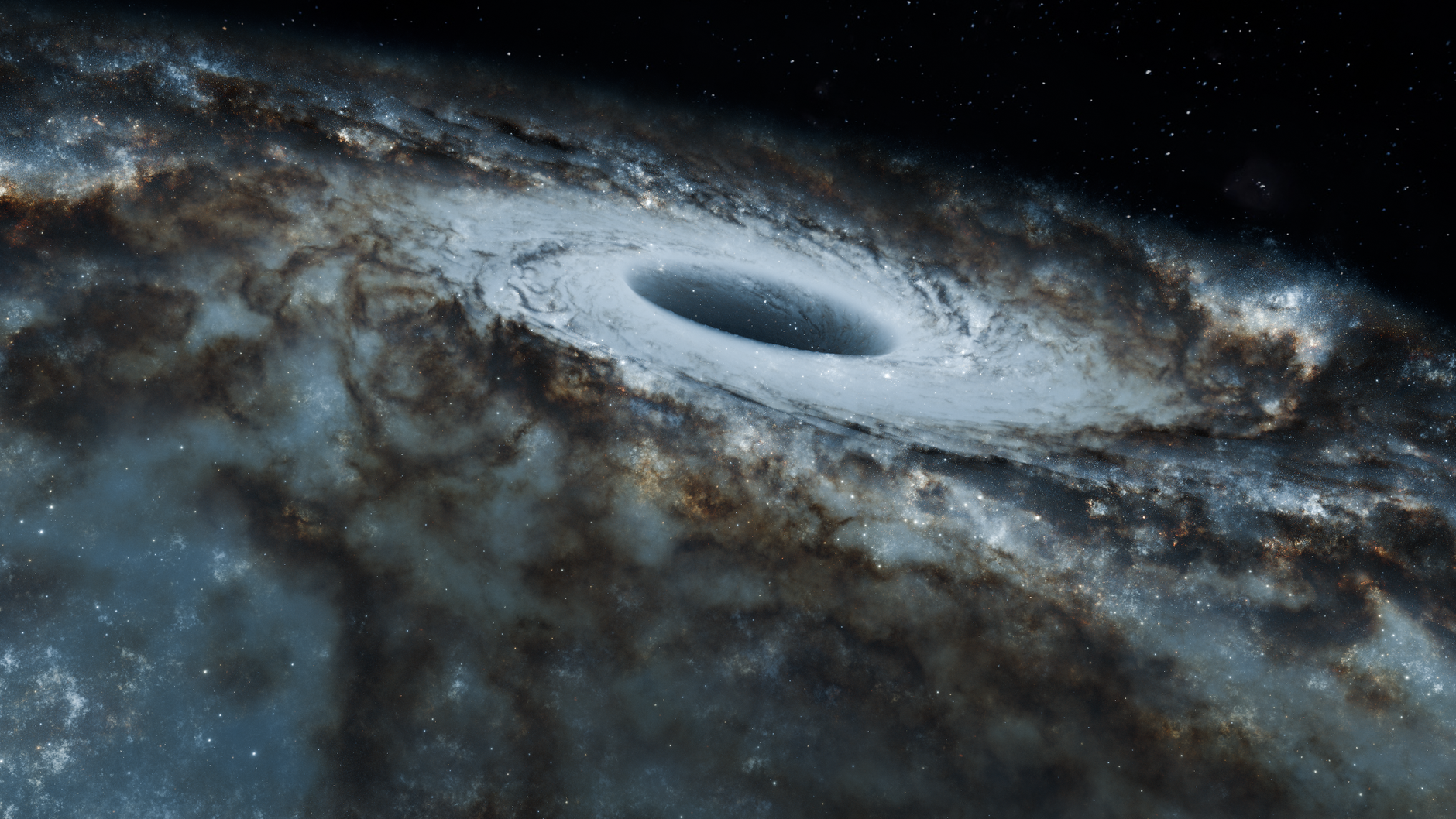
In a revelation that could rewrite the textbooks on cosmic evolution, NASA's James Webb Space Telescope has unearthed compelling evidence suggesting the existence of 'black hole stars'. These stellar enigmas, long speculated but never observed, might hold the key to understanding the universe's formative years.
Traditionally, black holes are thought to form from the remnants of massive stars that have exhausted their nuclear fuel, collapsing under their own gravity. However, the concept of a 'black hole star' posits a different genesis. These entities could originate from stars with cores so dense that they become black holes even before the star itself undergoes the typical supernova explosion.
A New Chapter in Stellar Evolution
The discovery, if confirmed, would mark a significant departure from current astrophysical theories. 'Black hole stars' could bridge the gap between conventional stellar evolution and the enigmatic formation of supermassive black holes that inhabit the centres of galaxies.
Scientists involved with the Webb Telescope project are cautiously optimistic. They urge the community to consider the implications such discoveries could have on our understanding of cosmic timelines and the life cycle of stars. Observations suggest that these stars could be colossal, with masses reaching up to ten thousand solar masses, thereby altering the narrative of how matter is distributed in the early universe.
The Role of Technology
The Webb Telescope's advanced capabilities have been pivotal in this discovery. Its ability to peer into the deep universe, capturing light from the earliest epochs, allows scientists to observe phenomena that were previously beyond reach. This technological leap forward opens new vistas for research, potentially revolutionising our grasp of cosmic history.
While the evidence is tantalising, the scientific community remains vigilant. Further investigations and peer-reviewed studies will be necessary to substantiate the initial findings. If confirmed, the existence of 'black hole stars' could provide insights into the complex processes that govern the universe, offering a glimpse into the cosmic past that has long eluded astronomers.