NASA's Webb Telescope Unveils Fiery Fate of Distant Exoplanet
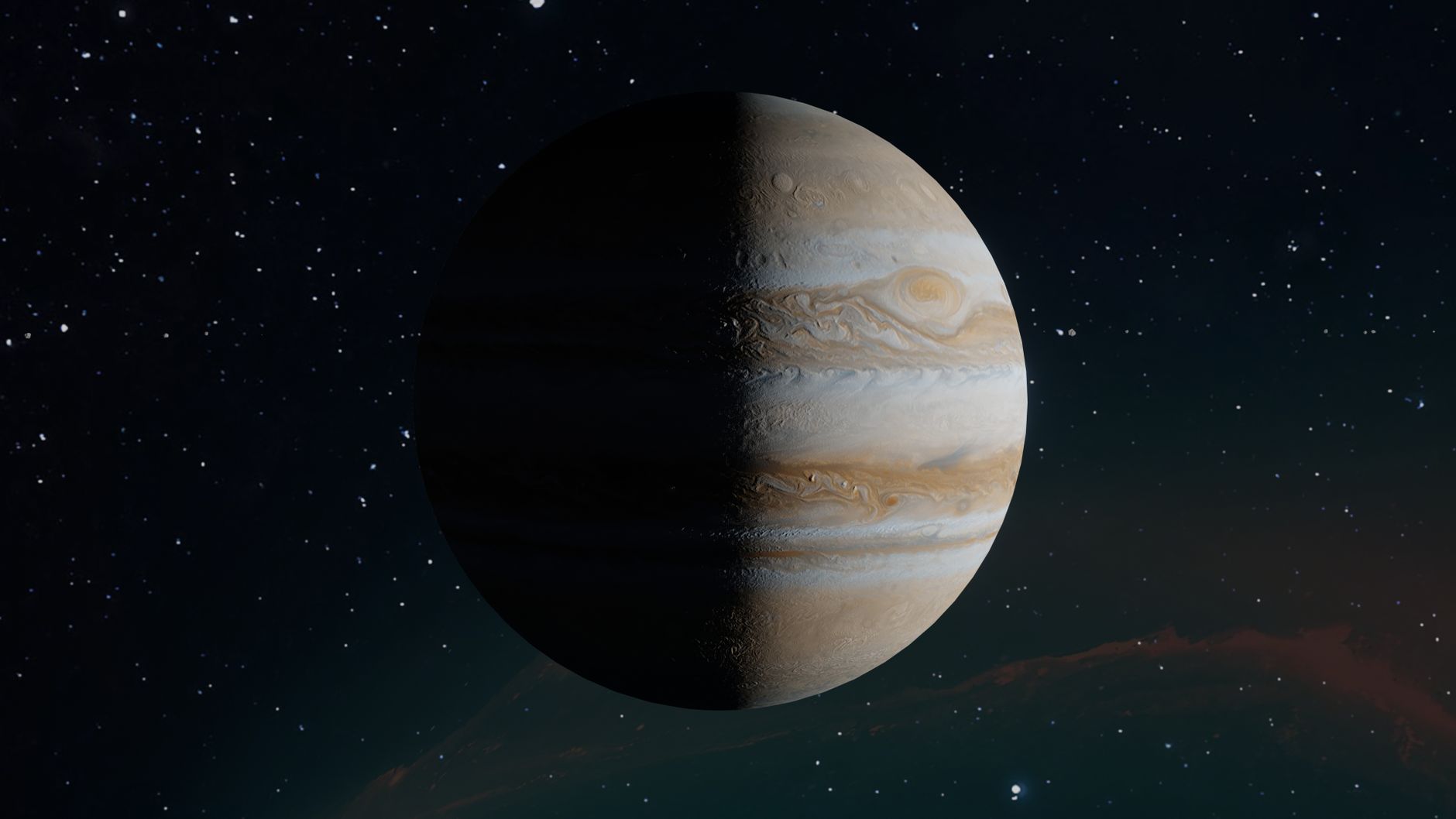
In the vast theatre of the universe, a distant world is enduring a cosmic barbecue of sorts. Nestled 190 light-years away, the exoplanet HD 80606 b is being roasted by its Sun-like star, courtesy of an orbit that swings it perilously close.
Recent observations by NASA's James Webb Space Telescope have revealed this gas giant's fiery ordeal. With a mass four times that of Jupiter, HD 80606 b follows an extraordinarily elliptical path, coming so near to its star that its atmosphere behaves like a furnace.
The Curious Case of HD 80606 b
Unlike most celestial bodies, which follow relatively circular orbits, HD 80606 b's path resembles the trajectory of a boomerang. Every 111 days, it swoops in for a scorching rendezvous with its star, causing temperatures to skyrocket. This extreme behaviour makes it a standout member among the 'hot Jupiters', a category of exoplanets already known for their intense heat.
The observations from the Webb Telescope, meticulously planned years in advance, provide a treasure trove of data. Scientists are eager to decode the spectra collected, hoping to understand the atmospheric composition and dynamics of such extreme exoplanets.
Why It Matters
The study of HD 80606 b not only satiates scientific curiosity but also enriches our understanding of planetary systems. By delving into the atmospheric conditions of these 'hot Jupiters', researchers can glean insights into the formation and evolution of planetary bodies.
NASA's previous Spitzer Space Telescope had laid the groundwork for this research, offering preliminary infrared observations. However, the Webb Telescope's advanced capabilities allow for far more detailed spectroscopic analysis.
Ultimately, these findings underscore the relentless pursuit of knowledge that defines space exploration. As scientists continue to piece together the puzzle of our universe, each discovery serves as a reminder of the wonders that lie beyond our earthly confines.