NASA's Webb Unveils Riveting Clues to 'Black Hole Stars'
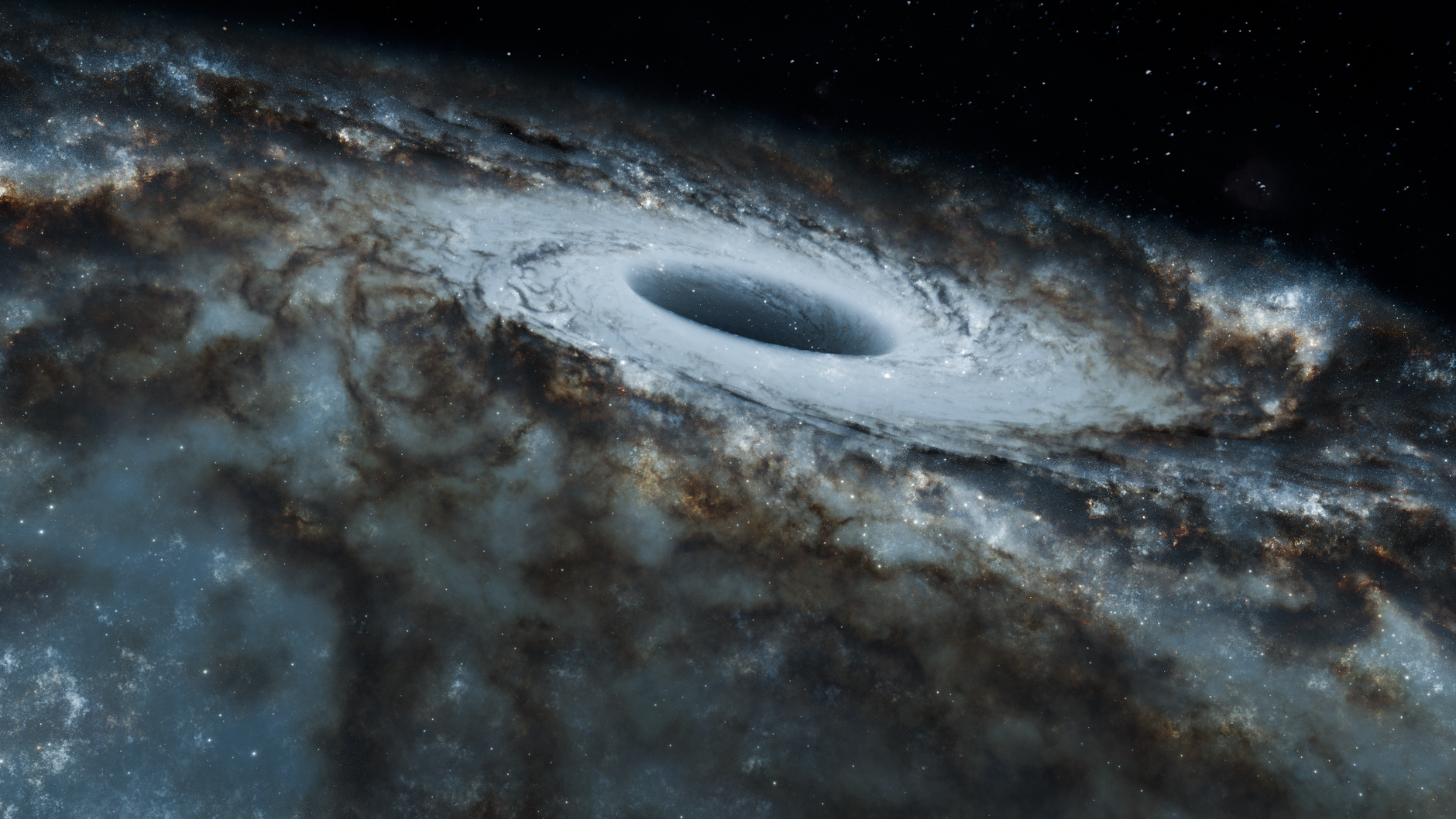
In an extraordinary leap for astrophysics, NASA's James Webb Space Telescope has provided what is being hailed as the strongest evidence yet for the existence of so-called 'black hole stars'. These mysterious entities, which have long eluded definitive identification, could redefine our understanding of the cosmos if their existence is confirmed.
The breakthrough came as scientists were examining data from Webb's observations of the galaxy cluster Abell S1063. Amidst this data, a particular small red object dubbed GLIMPSE-17775 stood out, offering a spectrum that hints at the presence of a black hole star. This latest finding adds a new chapter to the intriguing narrative of these elusive cosmic phenomena, first detected by the telescope in 2022.
The Enigmatic Red Dots
These 'black hole stars', observed as small red dots, populate the early universe in a manner that has puzzled astronomers. Their spectral signatures suggest a complexity previously unaccounted for in our cosmic models. The importance of this discovery cannot be overstated, as it provides a new lens through which we can examine the infancy of the universe.
Previous theories posited that such stars might exist, potentially acting as precursors to more massive black holes. The Webb telescope's findings offer the first substantial evidence supporting this hypothesis, suggesting that these stars might indeed have played a pivotal role in the evolution of galaxies.
A Cosmic Puzzle
While the notion of black hole stars may sound like the stuff of science fiction, they represent a significant piece of the astronomical puzzle. Their confirmation would not only alter our current understanding of stellar evolution but could also impact our grasp of black hole formation and the subsequent growth of galaxies.
The implications extend beyond academic interest, as understanding these stars could eventually inform our search for life elsewhere in the universe. The Webb's contributions thus far have already been transformative, and as more data is analysed, the potential for further groundbreaking discoveries remains high.
In the grand theatre of space exploration, the James Webb Space Telescope continues to play a starring role, pulling back the curtain on the universe's deepest secrets. As astronomers delve deeper into the cosmos, the tantalising prospect of uncovering more about these enigmatic stars is eagerly anticipated.