New Insights Reveal Accelerating Sea Level Rise Since 1960
In a world growing increasingly attuned to the effects of climate change, a new study has brought to light an unsettling reality: the pace at which global sea levels are rising has quickened notably since 1960. This revelation is not just another statistic in the annals of climate science; it is a stark reminder of the tangible shifts occurring within our environment.
The meticulous study, conducted by an international team of researchers, has identified accelerated ocean warming and decreased land water storage as the primary culprits behind this phenomenon. From 1960 to the present, the global sea level has been climbing at an annual rate of 2.06 millimetres. However, in recent decades, this rate has effectively doubled, underscoring the urgency of addressing human-induced climate change.
Unravelling the Mystery
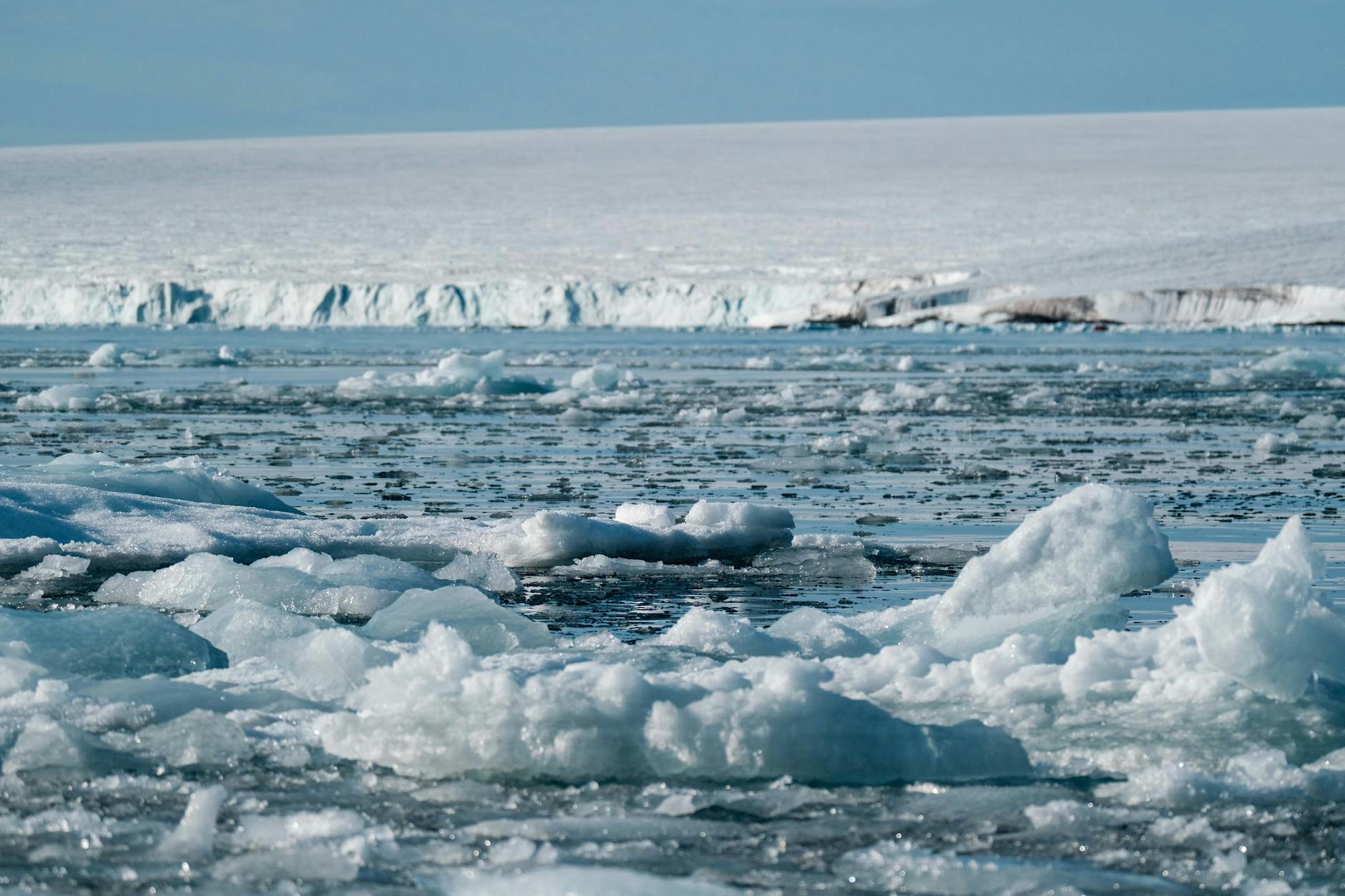
For years, discrepancies in sea level rise data have puzzled scientists. The new research closes this 'budget gap' through improved instruments and refined analysis. By doing so, it confirms that the rapid melting of glaciers and ice sheets, particularly in Greenland and Antarctica, has played an increasingly significant role since the early 1990s.
This trend is particularly worrying as it suggests a feedback loop whereby rising temperatures lead to more ice melt, which in turn exacerbates global warming. The implications are profound, with low-lying coastal regions around the world facing potential devastation if these trends continue unchecked.
A Call to Action
While the study provides a clearer picture of the forces driving sea level rise, it also serves as a clarion call for immediate action. As Dr. Fiona McBride, one of the study's lead authors, notes, "Understanding these mechanisms puts us in a better position to mitigate the impacts, but prompt and decisive action is necessary."
The findings underscore the need for global cooperation in addressing climate change, with policies that not only curb emissions but also support adaptation efforts for vulnerable communities. As the evidence mounts, the question remains: will world leaders rise to the challenge?