NITI Aayog's Alarming Report: India's School Dropout Dilemma
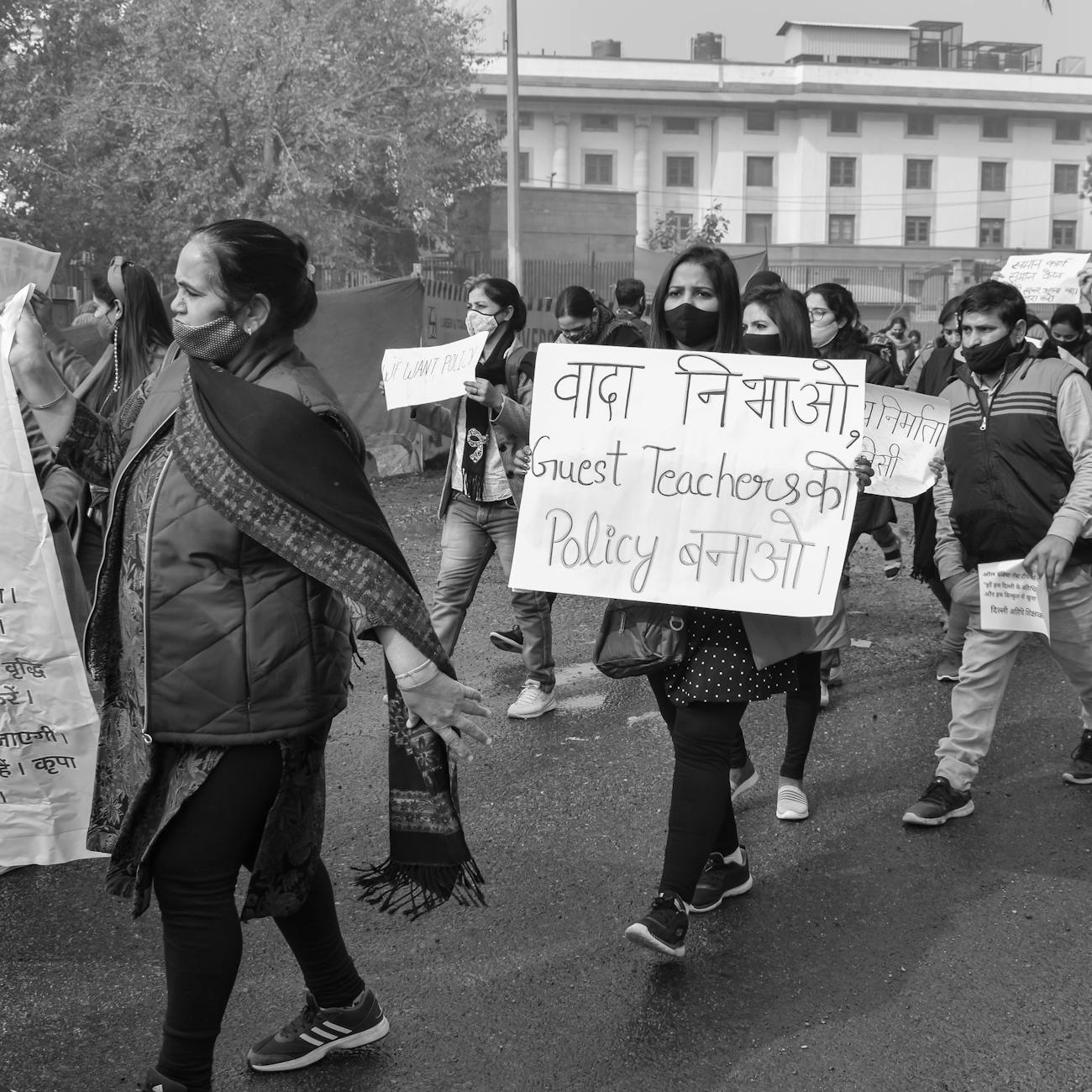
The latest report from NITI Aayog casts a sobering spotlight on the persistent challenges within India's educational landscape. Despite progress in access to education, dropout rates continue to blight the system, particularly affecting rural and economically disadvantaged communities. The report, which dissects data over the past decade, underscores a critical need for reform.
A glaring issue highlighted is the prevalence of single-teacher schools, numbering over 1.04 lakh. Coupled with the fact that 35% of schools have fewer than 50 students, the situation paints a picture of stark educational inequity. The higher secondary enrolment rate, languishing at 58.4%, further underscores the systemic inefficiencies that plague the sector.
Reform Roadmap
NITI Aayog's recommendations are both ambitious and essential. The report advocates for strengthening foundational literacy and numeracy—critical skills that underpin lifelong learning. Moreover, it calls for an expansion of digital learning infrastructure, a move seen as crucial to bridging the urban-rural divide in educational resources.
While the infrastructure story has its bright spots, with increased school facilities and improved access, the quality of education remains uneven. The report frames the education narrative across three dimensions: access, equity, and quality. It is in the latter two that India continues to grapple with significant hurdles.
Socio-Economic Factors
Social and economic vulnerabilities are cited as persistent barriers to education continuity. Many children are forced to abandon their schooling prematurely due to financial constraints and familial responsibilities. In this context, the report's emphasis on policy reforms is not just timely but imperative.
In conclusion, while NITI Aayog's report acknowledges the strides made in educational access, it is a clarion call to address the deep-rooted issues of dropout rates and educational quality. The proposed reforms, if implemented effectively, hold the potential to transform the educational landscape of India.