NITI Aayog's New Report Calls for Revamping Indian Schools
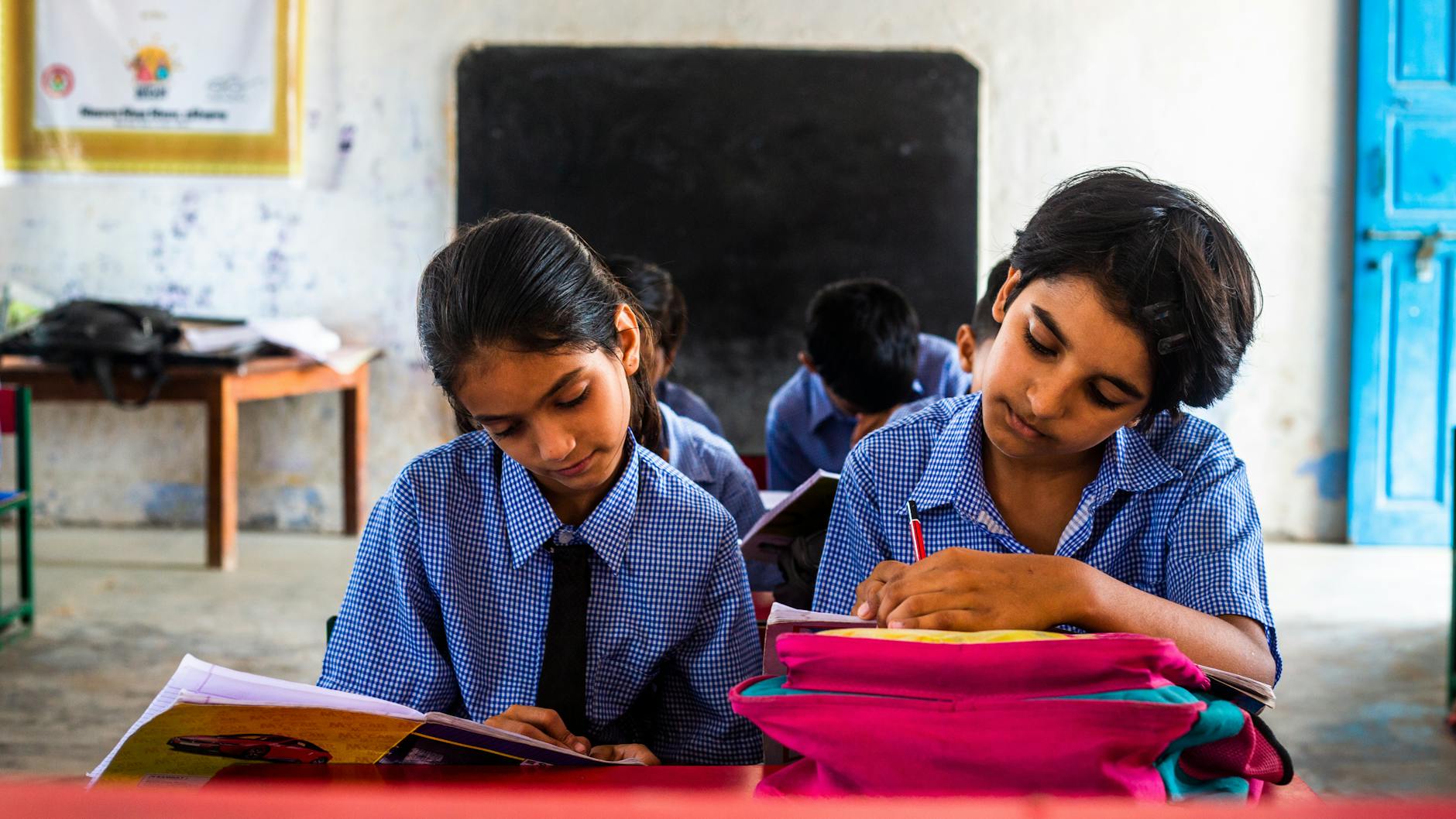
The NITI Aayog's latest report, a detailed analysis titled 'School Education System in India: Temporal Analysis and Policy Roadmap for Quality Enhancement', casts a spotlight on the sprawling complexities of India's education landscape. Released on 8th May 2026, the report assesses a decade's worth of data, mapping the trajectory of enrolment, infrastructure, governance, and learning outcomes across the nation.
India, managing the world's largest school system, faces a daunting task. With 14.71 lakh schools catering to over 24.69 crore students, the report reveals a troubling trend of declining enrolment as students progress from primary to secondary education. This steep drop-off poses a formidable challenge, requiring urgent policy interventions to sustain engagement and improve educational outcomes.
Infrastructure and Inclusion
While the sheer scale of India's school system is impressive, the report underscores significant gaps in infrastructure and inclusivity. Many schools, particularly in rural and underserved areas, lack basic facilities such as adequate classrooms, sanitation, and digital resources. The report calls for strategic investments to bridge these gaps, ensuring equitable access to quality education for all students.
Inclusion remains a critical area for development. The report highlights the need for inclusive policies that accommodate diverse learning needs, emphasising the importance of teacher training and curriculum development to foster an environment where every child can thrive.
The Way Forward
NITI Aayog's policy roadmap advocates for a multi-pronged approach, integrating technology, enhancing teacher training, and revising curricula to align with contemporary demands. It stresses the importance of community involvement and local governance, urging states to take proactive roles in educational reform.
Ultimately, the report serves as both a reflection and a call to action. As India grapples with the challenge of educating millions, the findings offer a crucial opportunity to rethink and revitalise the nation's educational priorities. Whether this roadmap will be translated into effective action remains to be seen, but the urgency for reform is undeniable.