NITI Aayog's New Report Charts Course for Indian School Education
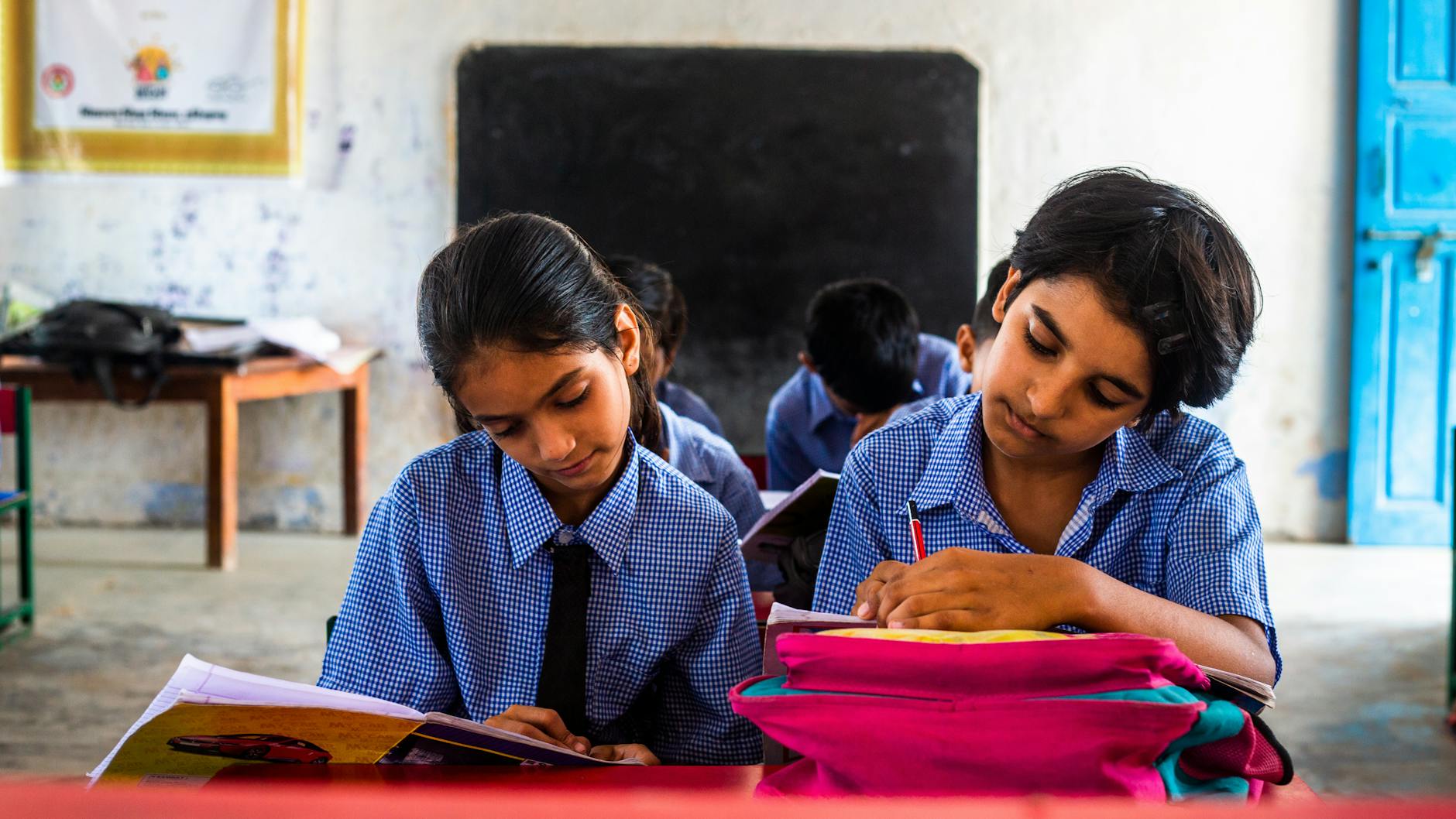
Standing at the crossroads of educational reform, NITI Aayog has unveiled a report that could very well shape the future of schooling in India. Released on 6th May by the Vice Chairman, Shri Suman Bery, and CEO, Smt. Nidhi Chhibber, the document is a sweeping analysis of the past decade in Indian education, offering a strategic vision for what lies ahead.
The report, aptly titled 'School Education System in India: Temporal Analysis and Policy Roadmap for Quality Enhancement', delves into the intricacies of access, enrolment, infrastructure, and learning outcomes. It speaks volumes about India's aspirations to align its education system with the Viksit Bharat @2047 vision, a goal aimed at enhancing quality and equity in education.
Key Findings and Recommendations
Among the standout features of the report are its thirteen detailed recommendations. These revolve around improving infrastructure, increasing enrolment rates, and ensuring equitable access to quality education across diverse socio-economic backgrounds. Furthermore, the report does not shy away from addressing the disparities that have long plagued the system, advocating for targeted interventions in underprivileged regions.
One of the report's critical insights is the pressing need to bolster teacher training programmes. By enhancing the skills and capacities of educators, the quality of instruction can be significantly improved, thereby directly impacting learning outcomes for students.
Why It Matters
The importance of this report cannot be overstated. With India poised to become one of the largest youth populations globally, the education system's ability to meet the demands of modernisation and global competitiveness is crucial. This report, therefore, not only identifies the challenges but also provides a comprehensive roadmap to address them.
As India marches towards its Viksit Bharat @2047 vision, the implementation of these recommendations could indeed transform the educational landscape, fostering an environment where every child has access to quality education.