Nvidia's Bold Step into the Realm of Physical AI
Jensen Huang, the visionary CEO of Nvidia, is no stranger to the technological frontier. Standing at the helm of a company now valued at over $5 trillion, Huang recently shared his ambitious vision for the future of robotics and AI at a keynote address that has left the tech world buzzing. His excitement? The dawning of the era of 'physical AI'.
In Huang's own words, the concept of 'physical AI' extends beyond the realm of traditional AI, which has focused largely on perception — understanding images, sounds, and text — and creation, as seen in generative AI. This new phase, however, is about AI systems that can not only perceive and generate but also act in the real world, bridging the gap between virtual simulations and tangible applications.
The Next Frontier: Robotics and Industrial AI
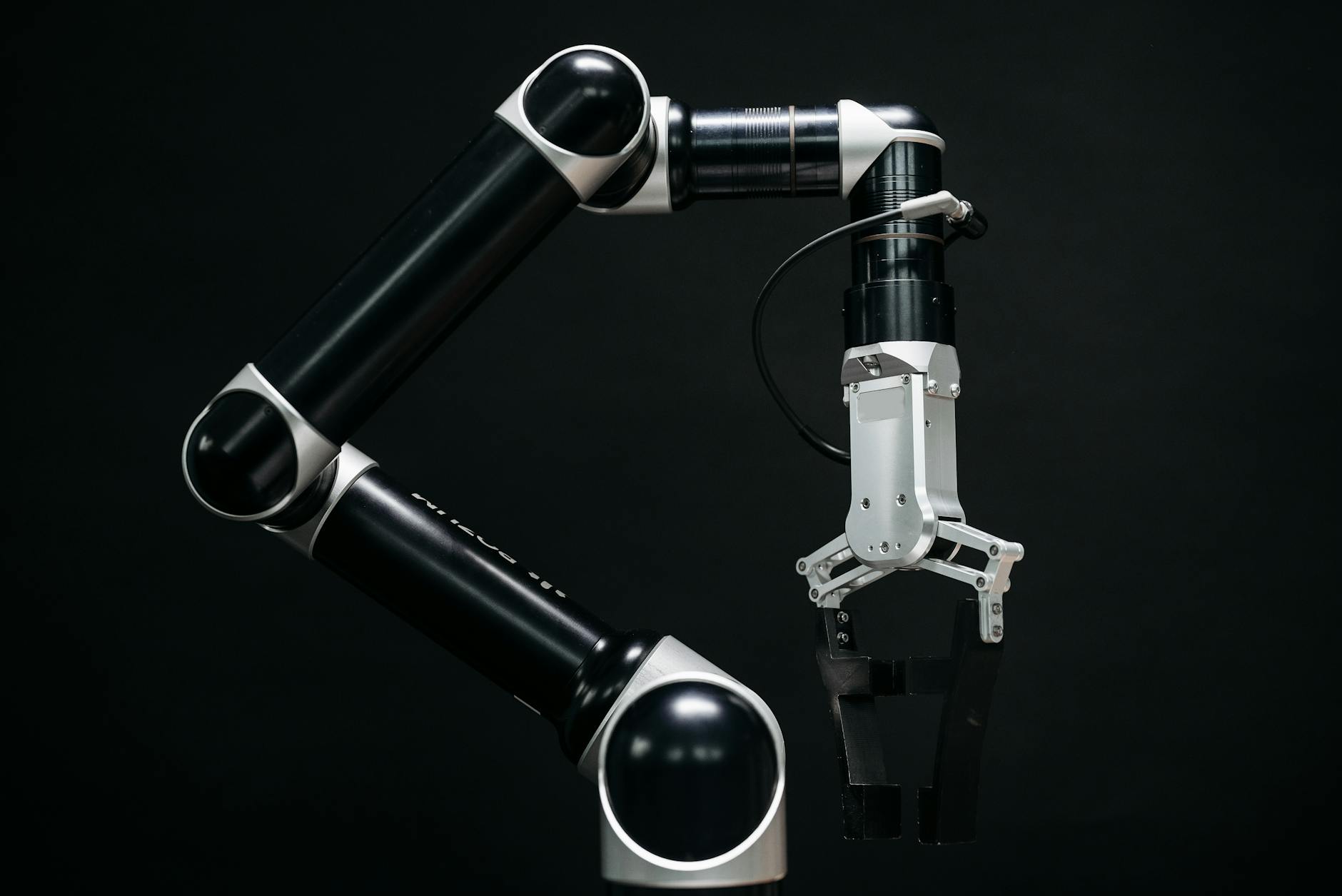
Nvidia's latest advancements, including the Isaac GR00T N1 and the Cosmos world foundation model platform, are designed to empower robotics developers to push the boundaries of what machines can achieve. The emphasis is on creating systems that can learn and adapt, capable of reasoning, planning, and importantly, acting.
Huang underscored the importance of integrating industrial capabilities with AI technologies, urging industries to embrace these innovations early. The potential applications are vast, spanning from autonomous vehicles to factory automation, promising to redefine efficiency and innovation across sectors.
Bridging the Physical and Virtual Worlds
As the world hurtles towards an increasingly automated future, the role of physical AI becomes ever more critical. Nvidia is uniquely positioned to lead this charge, thanks to its robust ecosystem of simulation and modelling technologies. If it can be modelled, Nvidia aims to power it, making the prospect of physical AI not just a possibility but an impending reality.
This strategic focus not only highlights Nvidia's commitment to innovation but also signals a transformative shift in how industries might operate in the coming years. By enabling machines to interact more seamlessly with the physical world, Nvidia is paving the way for a new era of technological progress.