Ötzi's Microbiome: Ancient Life Thrives in Iceman's Remains
Amidst the icy silence of the Italian Alps, a startling revelation has emerged from the ancient past. Ötzi the Iceman, discovered three decades ago by accident, has once again captured the scientific world's imagination. Researchers have now identified living microorganisms within his 5,300-year-old remains, offering a fresh perspective on life in prehistoric times.
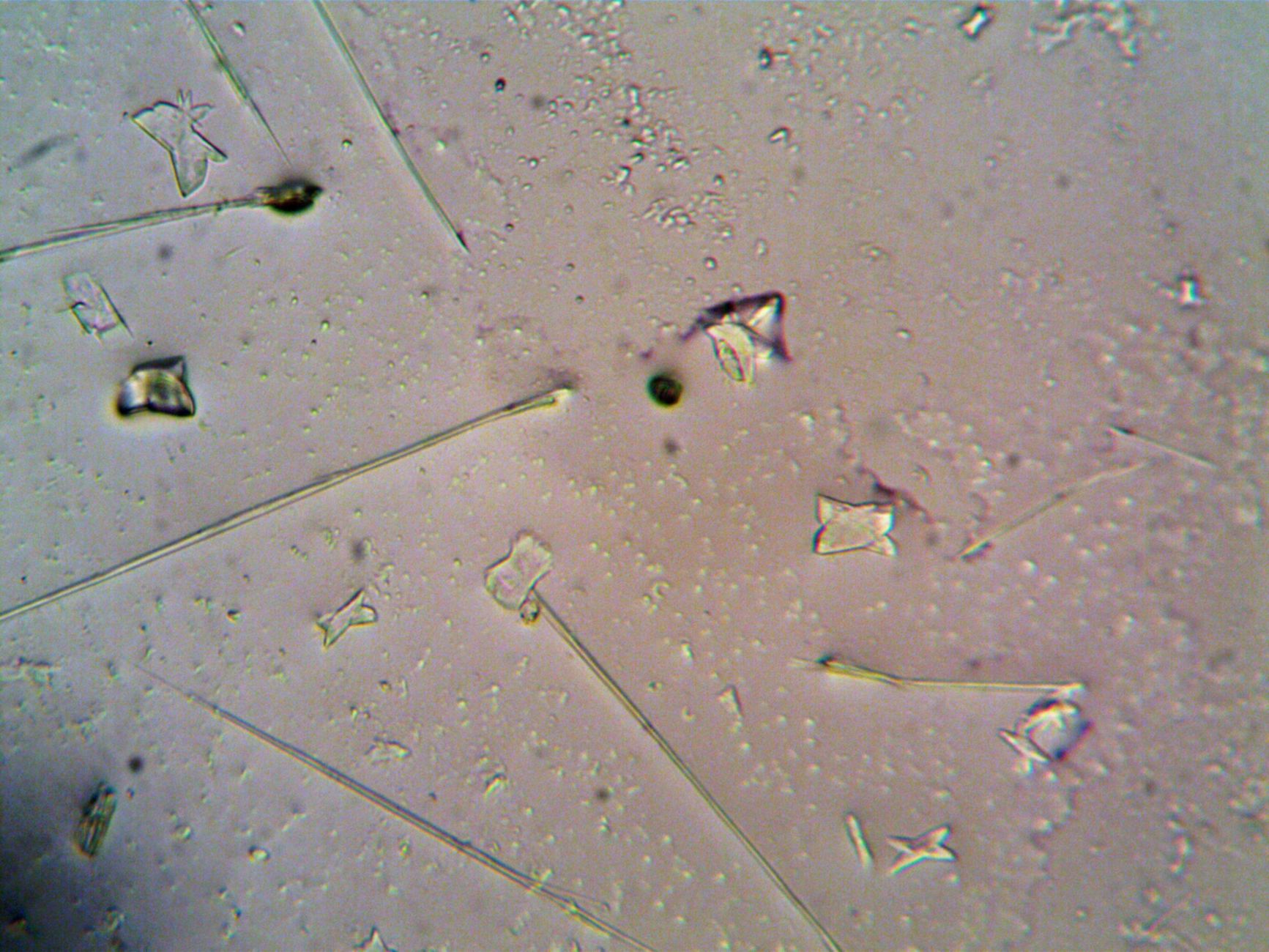
The study, led by Mohamed Sarhan from Italy's Eurac Research Institute, delved deep into the microscopic world hidden within Ötzi's body. Analysing samples from his skin, internal tissues, and even the meltwater that surrounds him, the team uncovered a thriving ecosystem of ancient gut bacteria and cold-resistant yeast strains. Remarkably, these microorganisms have not only survived the passage of millennia but remain metabolically active.
A Time Capsule of Life
Ötzi's body, naturally mummified in the glacial conditions of the Alps, has long been a source of fascination. His discovery in 1991 was a watershed moment for archaeology, offering unprecedented insights into the life and times of a man who lived at the dawn of civilisation. Yet, the recent findings suggest that Ötzi's story is far from over. His preserved gut microbiome serves as a time capsule, shedding light on the microbial life that once thrived in humans.
While the presence of gut bacteria in ancient remains is not unheard of, the discovery of metabolically active microbes is a rarity. This suggests that these microorganisms possess extraordinary resilience, having adapted to survive in extreme conditions. Their continued activity raises intriguing questions about the role microbes played in human evolution and adaptation to harsh environments.
Implications for Science and History
The implications of these findings extend beyond the realms of archaeology and microbiology. They challenge our understanding of microbial endurance and evolution, potentially offering clues about how life could adapt to other extreme environments, such as those found on distant planets. Moreover, they provide a direct link to our ancestors, revealing the continuity of life across millennia.
Ötzi, once a solitary traveller in a now-vanished world, continues to guide us through the corridors of history. His body, once thought a mere relic, proves to be a living archive, offering wisdom not only about the past but also about the enduring nature of life itself.