Parker Solar Probe Dances Close to the Sun Once More
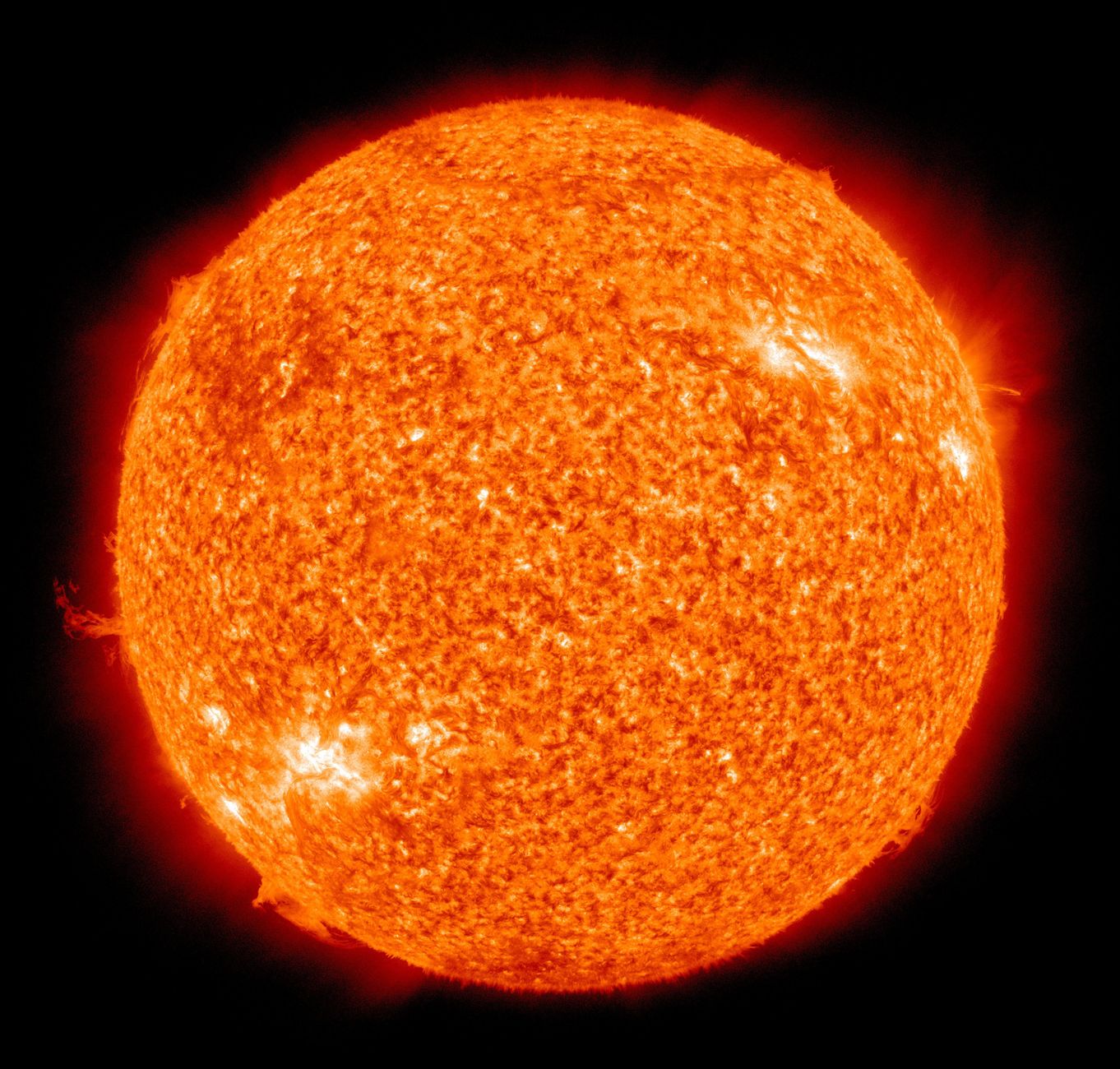
It was a journey that defies the imagination. On 8 June, NASA's Parker Solar Probe swooped to within a mere 3.8 million miles of the Sun's fiery surface, marking its 28th close encounter. Such proximity to our star, once considered a fanciful endeavour, has now become routine for this trailblazing spacecraft.
Launched in 2018, the Parker Solar Probe's mission is as bold as it is critical: to gather unprecedented data from the Sun's outer corona and shed light on the solar phenomena that influence our solar system. By maintaining its record distance, the probe not only survives the scorching heat, but continues to thrive, offering insights that were previously beyond reach.
The significance of this mission extends beyond mere numbers. Each flyby equips scientists with crucial data about solar winds, the high-speed streams of charged particles emanating from the Sun. Understanding these winds is vital, as they can have profound impacts on Earth, disrupting satellites, communication systems, and even power grids.
As the Parker Solar Probe hurtles through the solar atmosphere at a staggering 430,000 miles per hour, it does so with purpose. Its instruments are meticulously capturing details about magnetic fields, energetic particles, and the structure of the solar corona. These observations are instrumental in piecing together the puzzle of solar activity, potentially leading to more accurate space weather forecasts.
Yet, the probe's journey is far from over. With each orbit, it delves deeper into the Sun's secrets, pushing the boundaries of human understanding. As scientists eagerly await the next batch of data, the Parker Solar Probe continues to be a testament to human ingenuity and curiosity.