Parker Solar Probe's Daring Dance with the Sun Continues
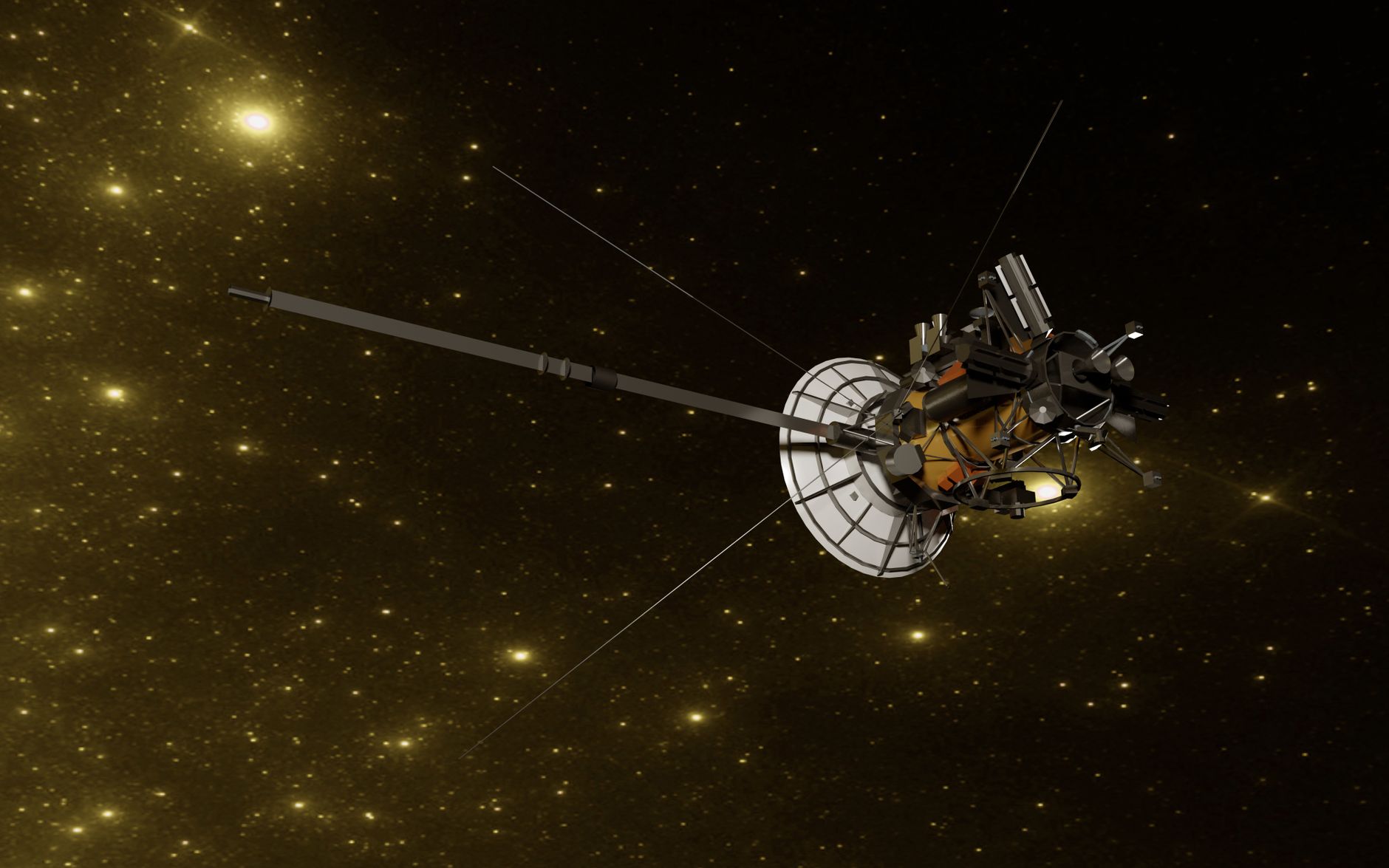
In a feat that continues to push the boundaries of human engineering, NASA's Parker Solar Probe has completed its 28th close pass by the Sun, coming within a searing 3.8 million miles of its surface. This latest flyby, achieved on 8th June, allows scientists to glean further insights into the enigmatic outer corona of our star.
Launched in 2018, the Parker Solar Probe's mission is nothing short of audacious. Designed to 'touch' the Sun, it has been gathering data from regions no human-made object has ventured before. The probe's instruments are currently providing unprecedented measurements of solar wind and magnetic fields, offering clues about the mechanisms that heat the Sun's atmosphere to millions of degrees.
The Sun, a perennial object of human curiosity, holds the key to understanding solar phenomena that affect Earth. Solar wind, for instance, can disrupt communications and power systems on our planet. By studying these phenomena at their source, the Parker Solar Probe aims to enhance our predictive capabilities, potentially safeguarding critical infrastructure from solar storms.
Despite the extreme conditions—temperatures reaching up to 1,377 degrees Celsius and travelling at speeds over 430,000 miles per hour—the probe remains remarkably resilient. Its heat shield, a marvel of modern materials science, protects its delicate instruments from the Sun's fierce glare.
As the Parker Solar Probe continues its mission, scientists eagerly anticipate the treasure trove of data it promises to deliver. Each pass brings us closer to understanding the Sun's mysteries and, by extension, those of our solar system. This knowledge could one day prove vital as humanity looks to further explore and inhabit space.