Qantas' 20-Hour Flight Gamble: The Science of Sleep and Light
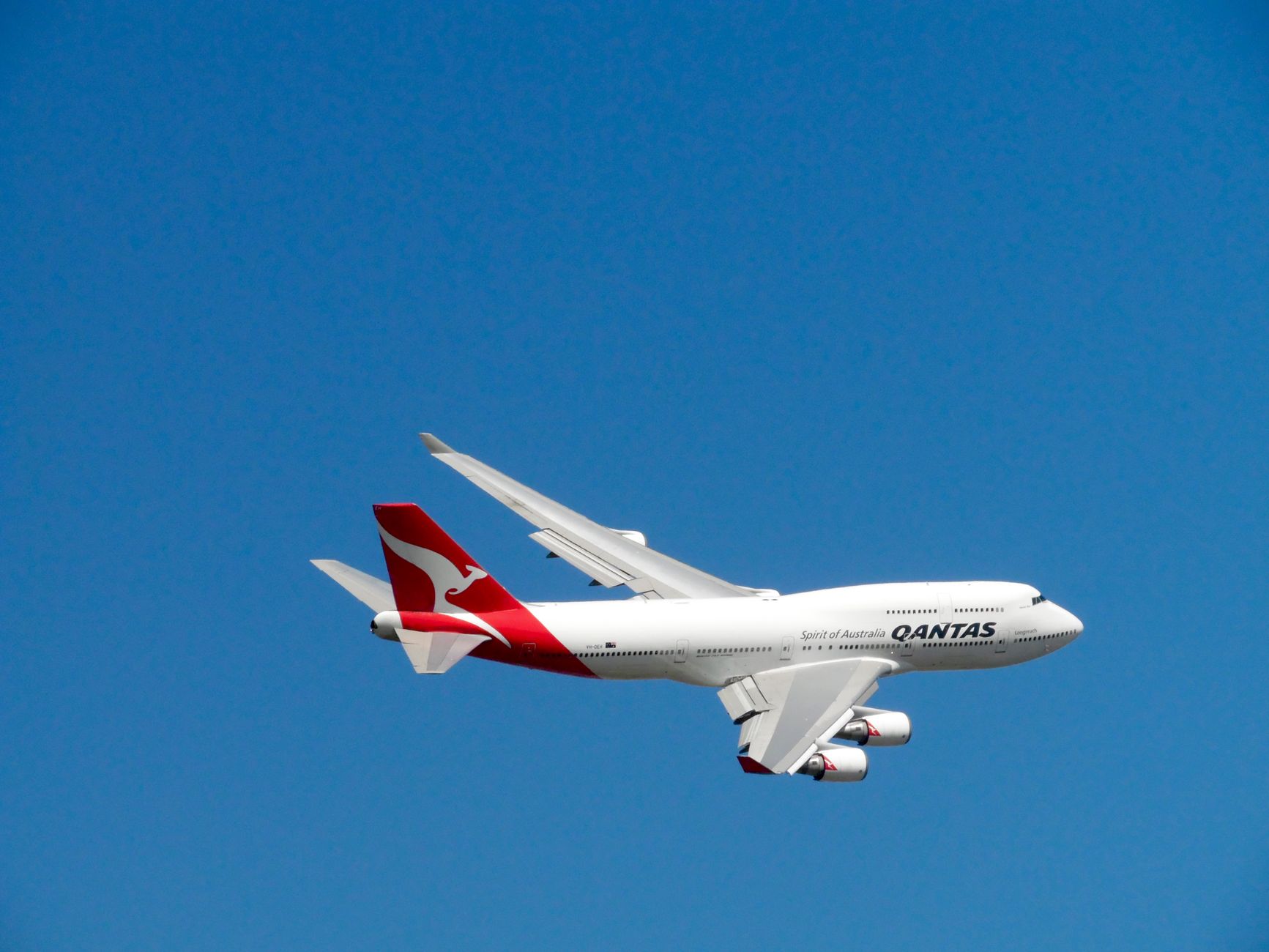
Imagine spending nearly an entire day suspended at 35,000 feet above the ground. For many, the idea conjures images of cramped cabins and restlessness. Yet, Qantas, the Australian airline, is betting on science to make this a journey worth taking.
As Qantas prepares to launch its audacious 20-hour flights on the Airbus A350-1000ULR, the airline is far from relying on traditional methods. Instead, it's delving into the science of sleep and light, hoping to rewrite the rules of long-haul travel. The aircraft's design itself has been overhauled with an eye on ergonomics, nutrition, and, crucially, the manipulation of light.
The Role of Light in Human Physiology
Light, as it turns out, is not just about seeing where you're going. It's a vital cue for our body's circadian rhythms, the internal clock that governs when we sleep and wake. By strategically adjusting cabin lighting, Qantas aims to sync passengers' body clocks with their destination time zone, potentially reducing the dreaded jet lag.
The airline's approach includes simulating sunlight and darkness at appropriate intervals during the flight. This method, backed by scientific research, is designed to help passengers adjust more naturally to time zone changes, enhancing their overall travel experience.
Navigating the Psychological Barriers
Despite these innovations, the psychological hurdle of being confined in a metal tube for nearly a full day remains significant. Qantas is wagering that the convenience of direct travel and the premium comfort offered will outweigh such concerns. The airline is not merely offering a flight but a carefully curated experience, where every detail, from the menu to in-flight entertainment, has been meticulously planned.
While the prospect of ultra-long-haul flights may not appeal to everyone, Qantas' experiment represents a bold step in aviation. If successful, it could pave the way for more such journeys, connecting the farthest corners of the world with unprecedented ease.