Qantas and the Science of Light: Unlocking 20-Hour Flights
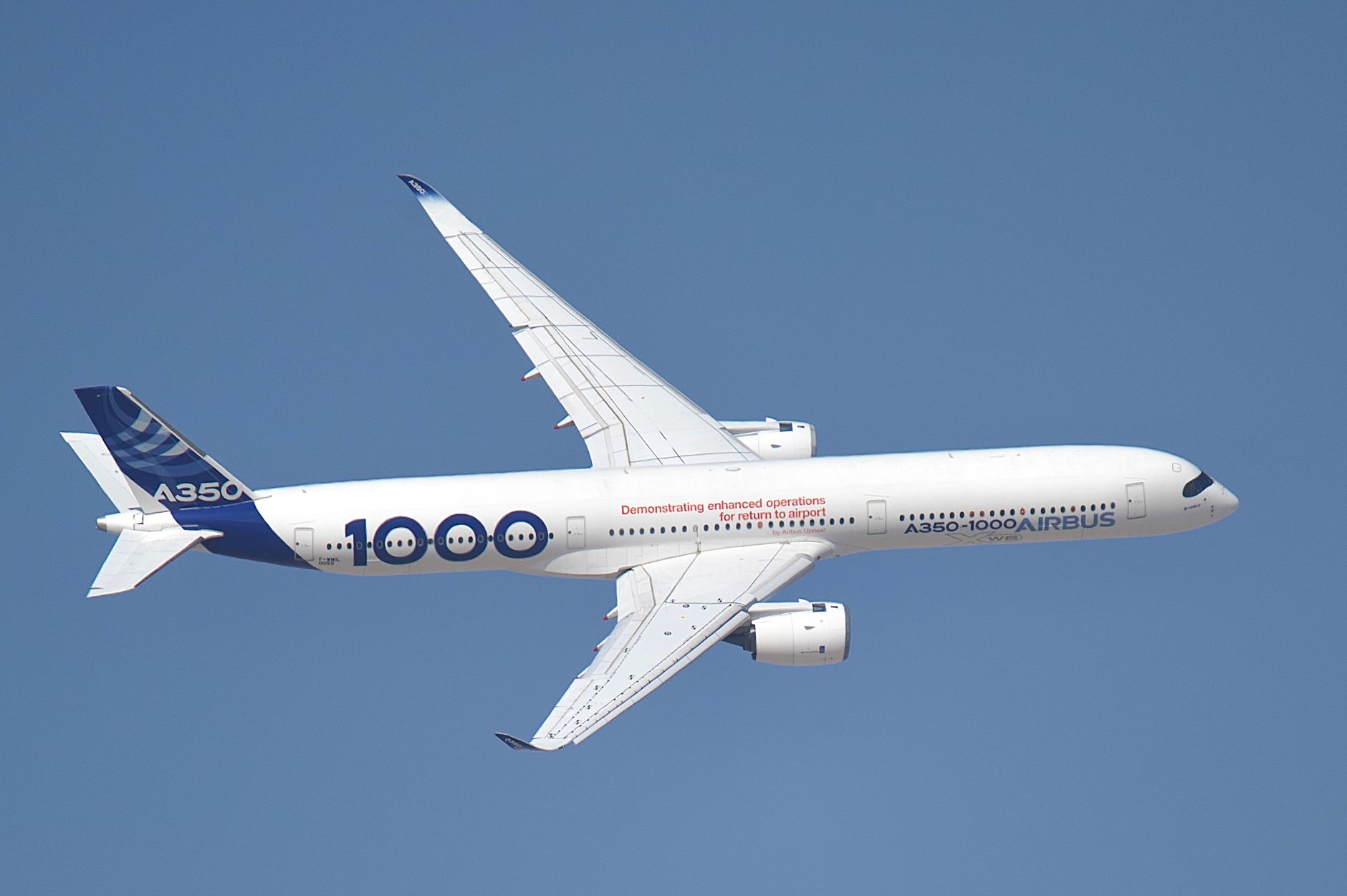
As the Airbus A350-1000ULR prepares for take-off, Qantas Airways is placing a bold bet on the science of light to make 20-hour flights not only possible but palatable. The Australian airline, renowned for its pioneering spirit, is turning to chronobiology to ease the burdens of ultra-long-haul travel.
More than a decade in the making, Qantas' Project Sunrise aims to connect Australia directly with far-flung destinations, cutting out the tedious layovers. But the real innovation lies not in the aircraft's engineering, but in the understanding of how light influences our circadian rhythms.
The Science of Light
Light is a powerful cue for the body's internal clock. It helps regulate sleep-wake cycles, mood, and cognitive function. By manipulating cabin lighting to simulate natural daylight and darkness, Qantas hopes to minimise jet lag and enhance passenger well-being.
Dr. Vanessa Allen, a leading researcher in chronobiology, says, "The strategic use of light can significantly reduce the impact of crossing multiple time zones." By aligning light exposure with passengers' destination time zone, the airline aims to synchronise their internal clocks before they even land.
A New Era of Air Travel
Beyond mere lighting, Qantas is rethinking in-flight service. Nutritional meals tailored to different phases of the flight, ergonomic seating, and movement-friendly cabin designs are all part of the package. The objective is clear: to transform an ordeal into an experience.
While some sceptics question the feasibility of spending nearly a full day in the air, Qantas argues that time saved and the convenience of direct travel outweigh the psychological barriers. If successful, these flights could set a new standard for the aviation industry, blending science with travel to create a seamless journey.