Qantas' Bold Gamble: The Science of 20-Hour Flights
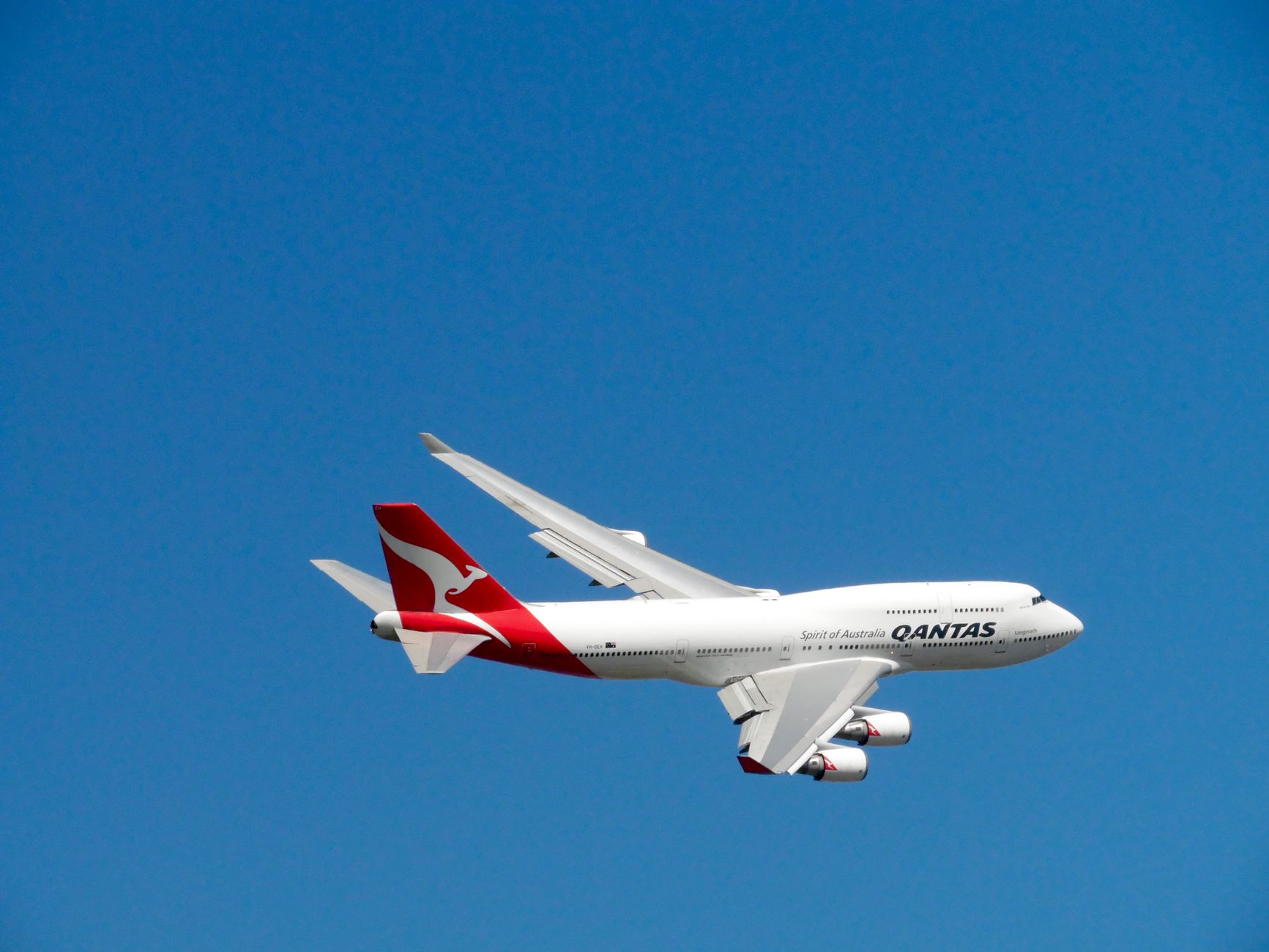
In a move that could redefine long-haul travel, Qantas Airways is banking on the wonders of science to make its ambitious 20-hour flights from Sydney to London an attractive proposition. As the airline prepares to launch the world's longest non-stop commercial flight in October 2027, the focus is on ensuring passenger comfort through a blend of innovative measures.
The Australian carrier has unveiled plans for a 'wellness zone', a designated area where passengers can stretch and engage in light exercises. Complementing this are the specially designed meals, timed to align with destination time zones, aiming to ease the transition across time differences.
A key feature of this endeavour is the use of animated lighting. Qantas has collaborated with sleep scientists to programme 14 different lighting scenarios, inspired by Australian landscapes, to help passengers adjust their body clocks. The lighting is designed to simulate various times of the day, thus aiding natural sleep rhythms.
The Science Behind the Strategy
Experts involved with the project believe that synchronising light exposure with meal times can significantly alleviate the effects of jet lag. Dr. Olivia Jennings, a leading sleep researcher, notes that controlled light exposure can expedite the adjustment of the body's internal clock.
Yet, it is not merely about reducing discomfort. The airline's strategy is also a calculated business move to justify its premium pricing. By enhancing the inflight experience, Qantas aims to attract not only business travellers but also leisure passengers willing to pay extra for comfort.
Setting a New Benchmark
Qantas' venture is being closely watched by the aviation industry, as it could set a new benchmark for long-haul flights. If successful, this model might prompt other airlines to follow suit, adopting similar scientific approaches to enhance passenger well-being.
In the grand scheme of things, Qantas' efforts represent more than just a technological upgrade; they are a testament to how science and commerce can converge to offer a better travel experience. As the aviation industry grapples with the challenge of making long flights palatable, Qantas' bold gamble might just be the blueprint of the future.