Quantum Leap: Scientists Unveil Effect That Could Obsolete Batteries
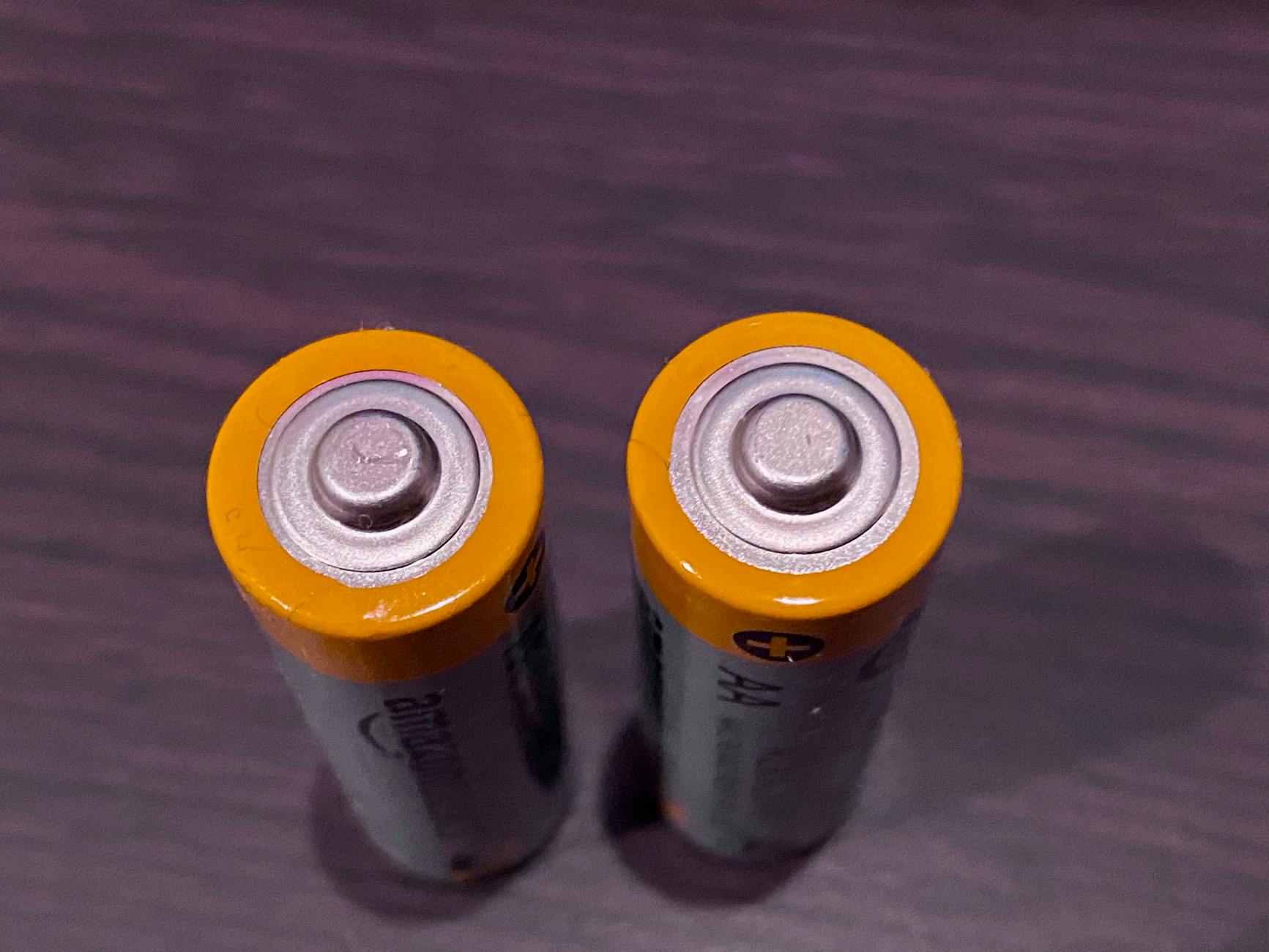
In a discovery that could upend decades of reliance on bulky batteries, scientists have unearthed a quantum effect capable of powering devices without a single electrochemical cell. The nonlinear Hall effect, as it is termed, promises to harness ambient or wireless signals, converting them into direct current without the need for a magnetic field.
At the crux of this breakthrough are quantum materials, where tiny defects play an unexpectedly grand role. These imperfections, scattered throughout the crystal structure, dominate the material's electrical response, particularly at low temperatures. As the material warms, these defects provoke a reversal in the electrical signal, a phenomenon that researchers believe could be the key to battery-free electronics.
The Science Behind the Effect
The nonlinear Hall effect represents a fundamental shift in how we understand energy conversion. It offers a method to turn alternating current into direct current, a feat traditionally reliant on magnetic fields. However, this quantum effect works independently of such constraints, using structural imperfections as a natural tuning dial.
As the temperature of the material increases, these defects alter the flow of current, flipping the signal and, potentially, enabling continuous power generation from surrounding energy sources. Such a mechanism could revolutionise the design of electronic devices, reducing the dependency on finite battery resources and potentially extending the life of devices indefinitely.
Implications for the Future
While the practical application of this technology may still be years away, its implications are profound. Imagine a world where devices are powered merely by the energy floating around us, from radio waves to thermal gradients. This could lead to lighter, more efficient devices, reduced electronic waste, and a significant step towards sustainable technology.
In the grand tapestry of scientific advancement, the nonlinear Hall effect could be the thread that weaves a new era of energy autonomy. While further research and development are necessary, the potential to eliminate batteries is a tantalising prospect, one that could change our interaction with technology forever.