Quantum Leap: Simple Path to Complex Quantum States
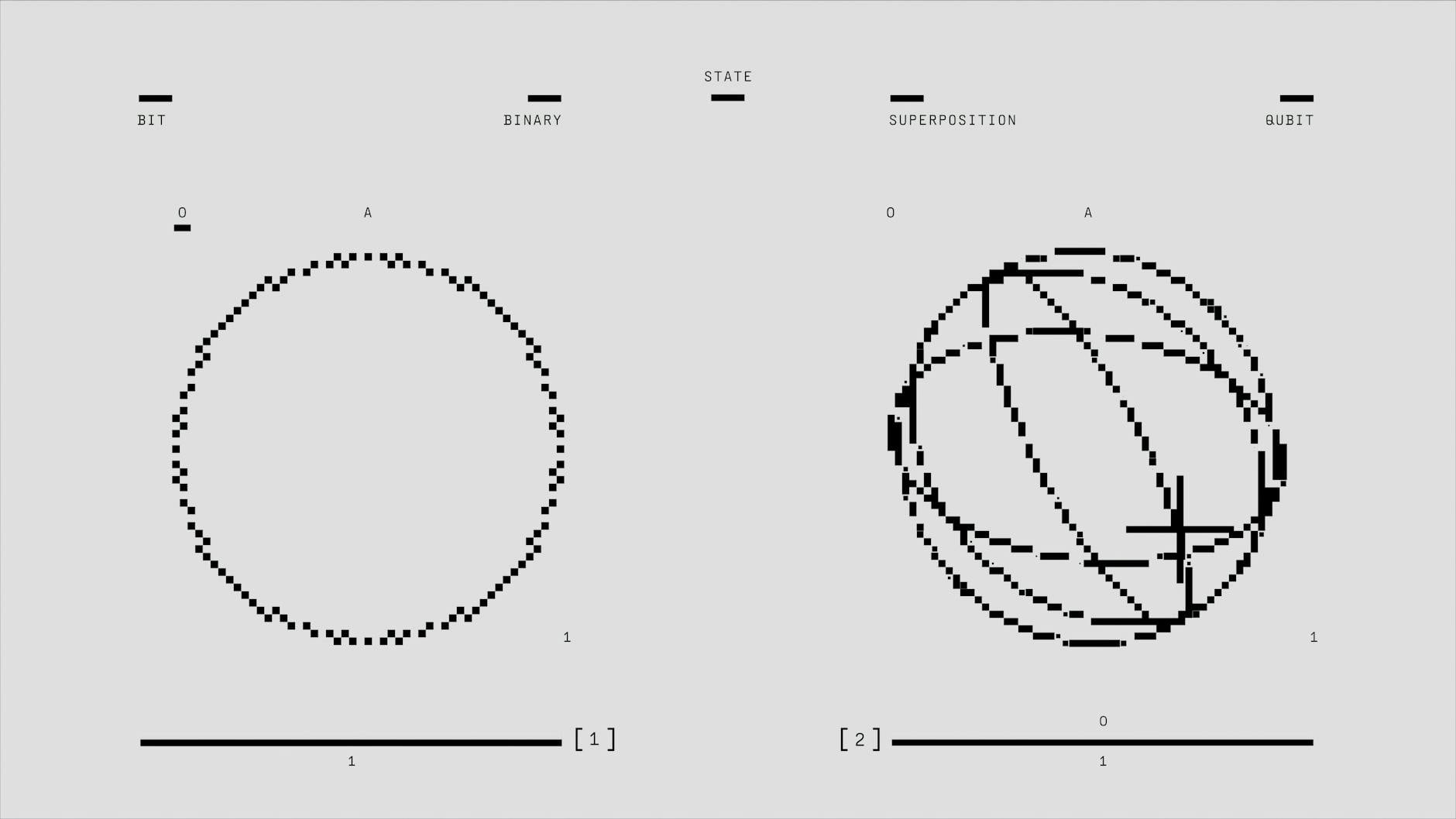
Amidst the intricate labyrinth of quantum mechanics, a team of scientists from the University of Chicago has stumbled upon a surprisingly straightforward method to create complex quantum states. This unexpected discovery could simplify the notoriously esoteric world of quantum computing, making it more accessible to researchers and technologists alike.
Quantum computers, famed for their ability to handle calculations at speeds unimaginable with classical computers, rely on qubits—quantum bits—that can exist in multiple states simultaneously. The challenge, however, has always been in the manipulation of these qubits to achieve the desired outcomes, a process fraught with complexity and precision.
Breaking New Ground
The Chicago team's approach, which involves manipulating qubits with an elegance that belies the complexity of the task, has revealed a new type of topological state. This state functions as an insulator but shares properties with the quantum Hall effect observed in solid materials. Such simplicity in achieving what was once thought complex has left the scientific community both intrigued and excited.
"We were astonished to discover that a system so simple could manifest as a new topological state," remarked lead researcher Dr. Sarah Thompson. "This opens up unprecedented possibilities for the future of quantum research."
Implications for the Future
This breakthrough is more than just a scientific curiosity; it holds significant implications for the future of quantum technology. By reducing the barriers to creating powerful quantum states, this method could accelerate the development of quantum computers, making them more prevalent and practical for real-world applications.
Beyond computing, the principles underpinning this discovery could extend to other fields, such as cryptography and materials science, where quantum states play a crucial role. The potential for this simple method to influence such diverse domains underscores the broad impact of the Chicago team's findings.
As the world stands on the brink of a quantum revolution, these findings remind us that sometimes, simplicity is the ultimate sophistication.