Rapid Evolution: Cacti's Surprising Speed in Forming New Species
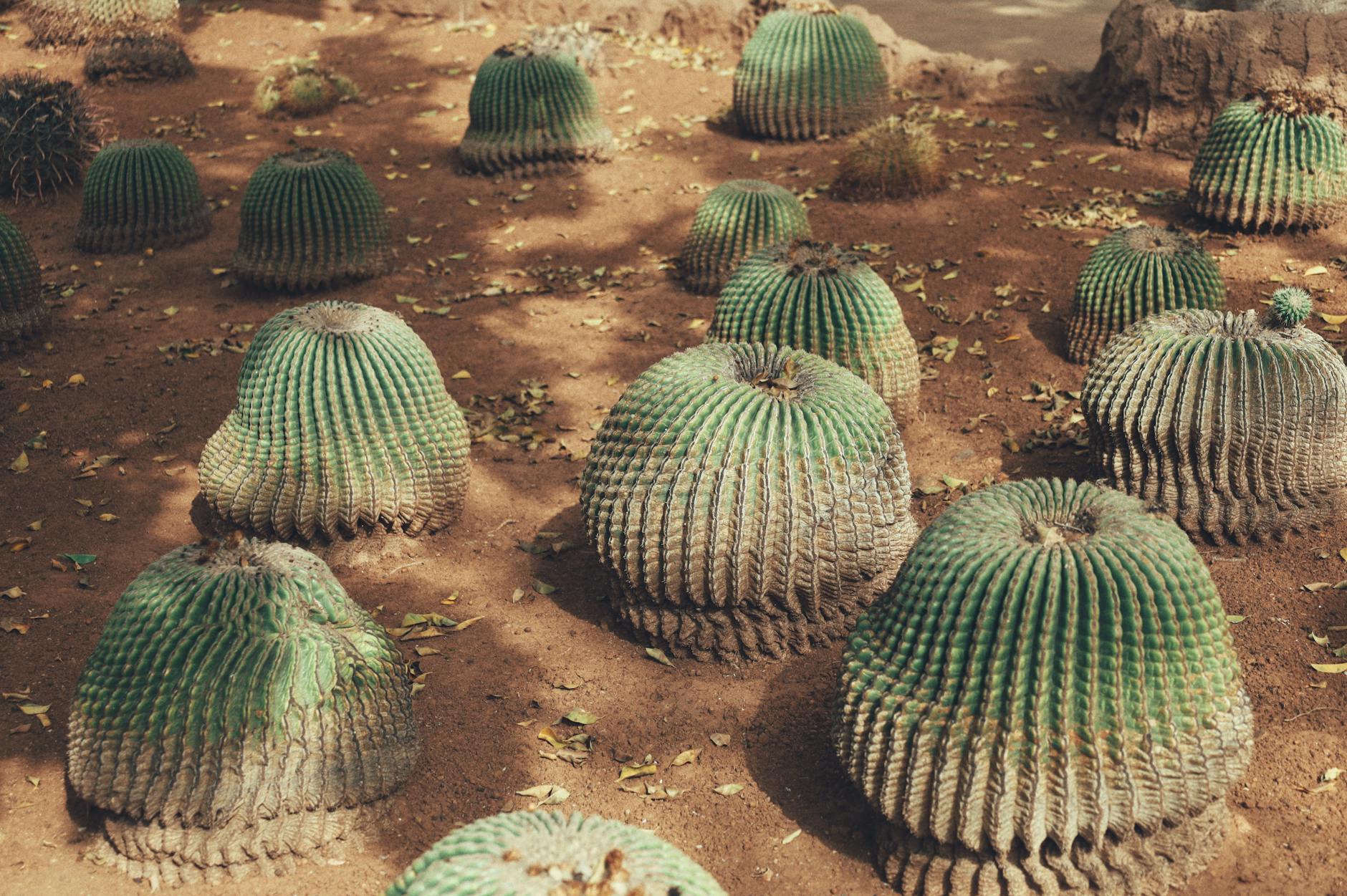
On any given day, the cactus in your living room might appear to be the epitome of tranquillity. Yet, beneath its prickly exterior lies a tale of rapid transformation that has recently caught the scientific community off guard. Contrary to their sluggish reputation, cacti are evolving at an astonishing rate.
Researchers at the University of Reading have made the surprising discovery that cacti are not merely surviving the harsh desert conditions; they are thriving by rapidly forming new species. The key to this evolutionary speed, it turns out, is not in their size or the pollinators they attract, but in the rapid changes in the shape of their flowers.
Floral Changes: The Driving Force
In an extensive study involving over 750 cactus species, scientists have observed that flower length varies dramatically, from as small as 2mm to a more substantial 37cm. However, it is the swift morphological changes in these flowers that facilitate the rapid creation of new species. This finding is pivotal as it redefines our understanding of how these desert dwellers adapt and diversify.
While deserts are often seen as static environments, this research sheds light on the dynamic nature of these ecosystems. The adaptability of cacti, driven by rapid floral evolution, suggests that deserts are far more resilient and vibrant than previously thought.
Implications for Desert Ecosystems
This new understanding of cactus evolution offers broader insights into desert ecosystems. It underscores the importance of morphological traits over traditional factors such as size in evolutionary processes. Moreover, it provides a fascinating glimpse into how life in extreme environments can find novel ways to flourish.
As scientists continue to unravel the mysteries of cactus evolution, this research not only enhances our appreciation of these remarkable plants but also inspires further investigation into other seemingly unchanging aspects of nature.