Rediscovery of 'Sea Silk': Ancient Fabric's Golden Return
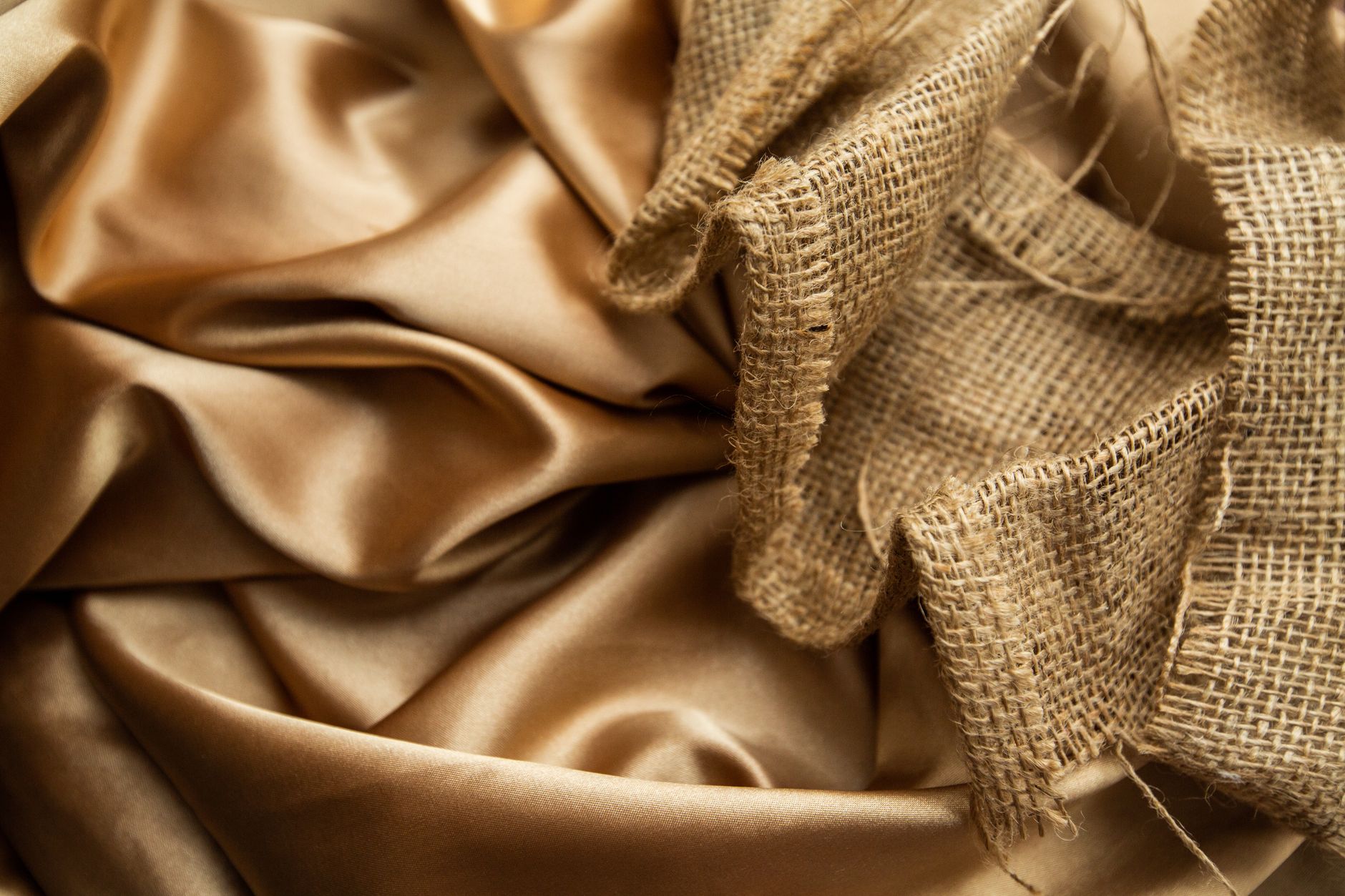
In the realm of textiles, some legends are woven with threads of myth and whispers of luxury. The 'sea silk', a fabric once shrouded in mystery and coveted by emperors, has now been resurrected by an intrepid team of South Korean researchers. Emerging from the depths of ancient history, this golden fabric's return is a testament to the marriage of ancient artisanal knowledge and cutting-edge science.
Researchers, led by a team at a South Korean university, have recreated this almost mythical fabric using fibres harvested from clams cultivated in the coastal waters of Korea. Known scientifically as Pinna nobilis, these clams produce a filament that, when woven, transforms into the legendary sea silk. The material's famed golden hue, it turns out, is not the result of pigments or dyes but rather the reflection of light off minute protein structures.
The Science Behind the Shine
The breakthrough research, published in the journal Advanced Materials, has demystified the enduring allure of sea silk. By applying principles of nanoscience, the team deciphered how the fabric's protein structures manipulate light to produce its signature lustre. This discovery not only pays homage to the craftsmanship of yore but also paves the way for sustainable luxury textiles.
The original sea silk was woven by ancient Mediterranean artisans, a tradition that dwindled as the Pinna nobilis population suffered due to pollution and ecological damage. The revival of this fabric is significant not merely as a nod to past opulence but as a potential game-changer in sustainable fashion. It offers a glimpse into how modern technology can resurrect ancient practices to meet contemporary environmental challenges.
A Sustainable Future
The implications of this revival extend beyond mere textile innovation. With increasing awareness of the environmental toll of modern fabric production, sea silk embodies a model for sustainable luxury. By leveraging biological materials and reducing reliance on synthetic dyes and harmful chemicals, researchers hope to inspire a new era of eco-friendly textile production.
As the golden threads of sea silk return to the modern world, they bring with them not just a piece of history but a vision for the future. The fusion of ancient techniques and modern technology underscores the potential of science to preserve heritage while forging a path towards sustainable innovation.