Rethinking Evolution: New Insights Challenge Old Assumptions
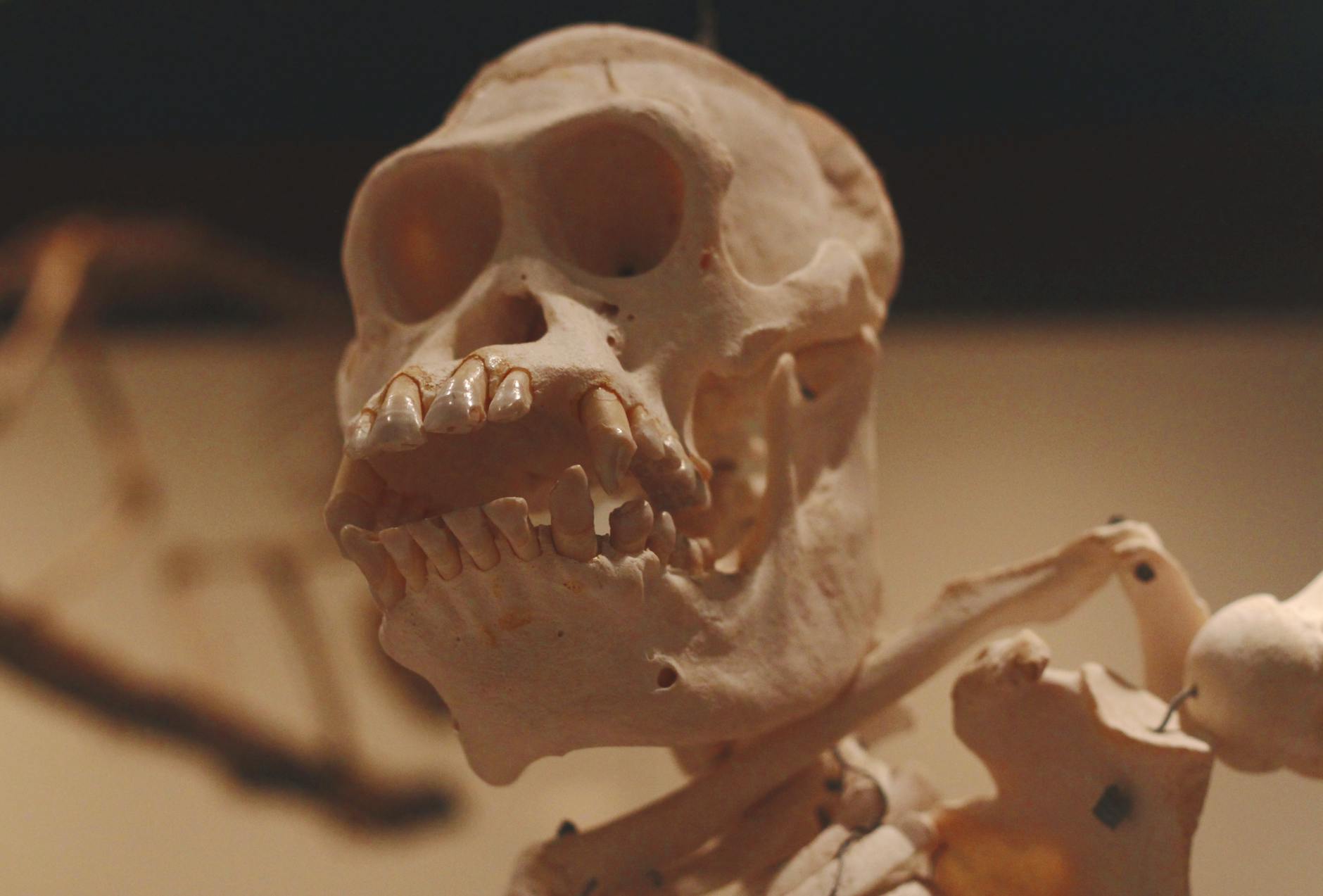
In a twist that might make Darwin himself raise an eyebrow, recent revelations in evolutionary biology suggest that the process of evolution may be far more dynamic and nuanced than we have traditionally believed. A recent study indicates that beneficial mutations occur with greater frequency than previously assumed, challenging the very bedrock of evolutionary theory.
This discovery comes on the heels of another groundbreaking finding: a million-year-old human skull unearthed in China. The fossil suggests that Homo sapiens might have begun their journey much earlier than our textbooks have led us to believe, potentially rewriting the timeline of human evolution.
Revisiting Old Theories
For decades, the prevailing notion was that evolution was a slow, gradual process where advantageous mutations were rare and sporadic. However, the new study paints a different picture, proposing that these beneficial changes are more common than once thought. This has profound implications for our understanding of how species adapt and survive in their environments.
Professor Jane Reznick, a prominent biologist, notes, "In the public perception, when we say evolution, they expect that you're going to go outside and see a different world. But evolution is a continuous process, shaping and reshaping the ecosystems in real time." Her insights underscore the importance of long-term studies that allow scientists to observe evolution as it unfolds, providing a clearer picture of nature's ingenuity.
Human Evolution: A Revised Timeline?
The ancient skull discovered in China adds another layer of complexity. Its implications are staggering, suggesting that Homo sapiens might have emerged at least half a million years earlier than previously thought. This finding not only challenges the established timeline but also raises questions about the interactions and migrations of early humans.
Furthermore, the longevity gap between genders is also under scrutiny. While lifestyle factors have long been credited for women's longer lifespans, recent research suggests that evolution itself may play a role. This new angle could shift how we approach health and longevity in the context of evolutionary biology.
As these discoveries unfold, they prompt a reconsideration of established theories and remind us that science is an ever-evolving discipline, constantly questioning and refining our understanding of the world.