Reviving the Moa: The Bold Science of Resurrection
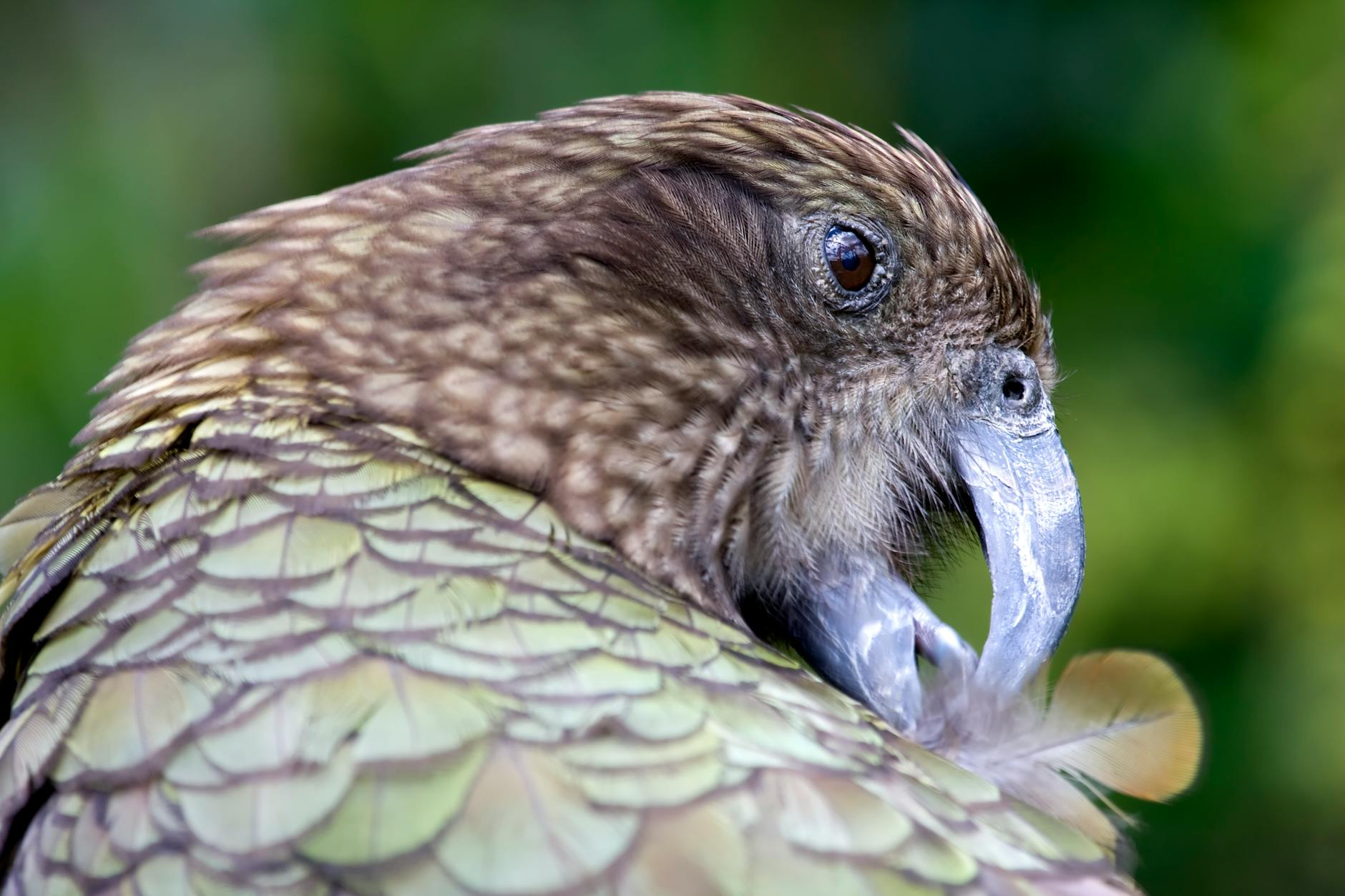
In the verdant landscapes of New Zealand, a giant once roamed, towering over the flora like a feathered colossus. The moa, a flightless bird that could reach heights of 3.6 metres, was more akin to a mythical creature than anything else, before it was driven to extinction some 600 years ago. Now, in a striking intersection of science and ambition, there is talk of its return.
A company, already known for its efforts to resurrect the woolly mammoth, has turned its gaze towards the moa. The plan is straightforward in its complexity: utilise DNA extracted from moa bones and merge it with the genome of the giant tinamou, a relation of the moa, to create a viable embryo. From there, the embryo would be placed in an artificial egg, with hopes of hatching this ancient avian from its long slumber.
Support for the project is buoyed by a significant portion of the scientific community, 97% to be precise. Proponents argue that the moa's return could restore ecological balance to the New Zealand forests, as it once played a pivotal role in seed dispersal and vegetation control. However, not all are convinced. Critics question the ethical implications of 'de-extinction' and whether resources would be better spent conserving species that are currently teetering on the brink.
The ecological argument is compelling. The absence of the moa left a void in New Zealand's ecosystem, one that has yet to be filled by any other creature. By reintroducing the moa, advocates claim, the natural order could be partially restored. Yet, the potential repercussions of releasing a genetically engineered creature into the wild are uncertain. Would the moa adapt, or would it struggle in a world that has moved on?
As the debate rages, the project continues its steady march forward. If successful, the implications could be profound, not just for New Zealand, but for the entire field of conservation biology. It raises an intriguing possibility: that extinction might not be the final curtain, but merely an intermission.