Revolutionary Diabetes Pill Promises Fat Loss Minus Ozempic's Pitfalls
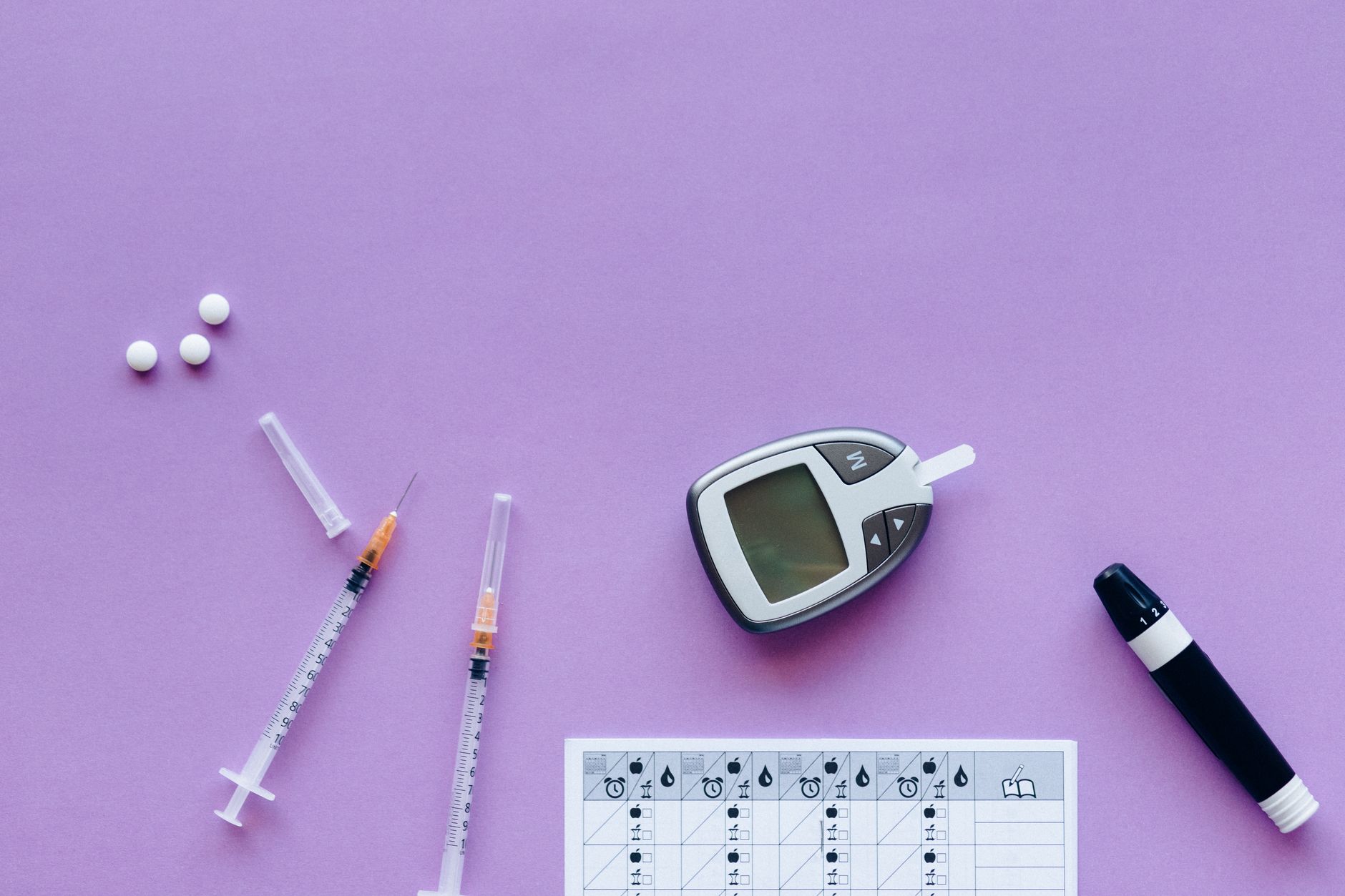
In a promising development from Sweden, researchers at the Karolinska Institutet have unveiled a novel diabetes medication that may well become a beacon of hope for millions. This experimental pill not only burns fat but also manages blood sugar levels without falling into the pitfalls of existing medications like Ozempic.
Ozempic, known for its appetite-suppressing properties, has been a popular choice for managing type 2 diabetes and obesity. However, its side effects, including nausea and potential heart overstimulation, have left much to be desired. The new drug, a refined β2 agonist, offers a different approach. By specifically targeting skeletal muscle metabolism, it boosts energy use and fat burning without the unwanted overdrive on the heart.
Dr. Ingrid Carlsson, lead researcher on the project, remarked, "Our aim was to create a medication that leverages the body's natural mechanisms, enhancing metabolic processes in muscles without causing undue strain on other systems."
Why This Matters
The implications of such a breakthrough are significant. Type 2 diabetes and obesity are global health challenges with millions affected worldwide. Current treatment regimens often involve a trade-off between efficacy and side effects, leaving patients and healthcare providers in a constant balancing act.
This new pill could potentially shift the paradigm. By focusing on muscle metabolism rather than appetite suppression, it offers a dual benefit of weight management and improved blood sugar levels, without compromising muscle mass or cardiovascular health.
A Step Forward
The initial trials, published in the journal Cell, have shown promising results, though experts caution that more extensive testing is required before it can be widely distributed. Nevertheless, the buzz surrounding this development is palpable, especially among those for whom traditional therapies have proven inadequate.
As the world grapples with rising rates of diabetes and obesity, this innovative approach could soon become a critical tool in the arsenal of diabetes treatments. For now, patients and doctors alike watch eagerly, hopeful that this new solution will live up to its promise.