Revolutionary Discovery: Collagen's Liquid State Inside Cells
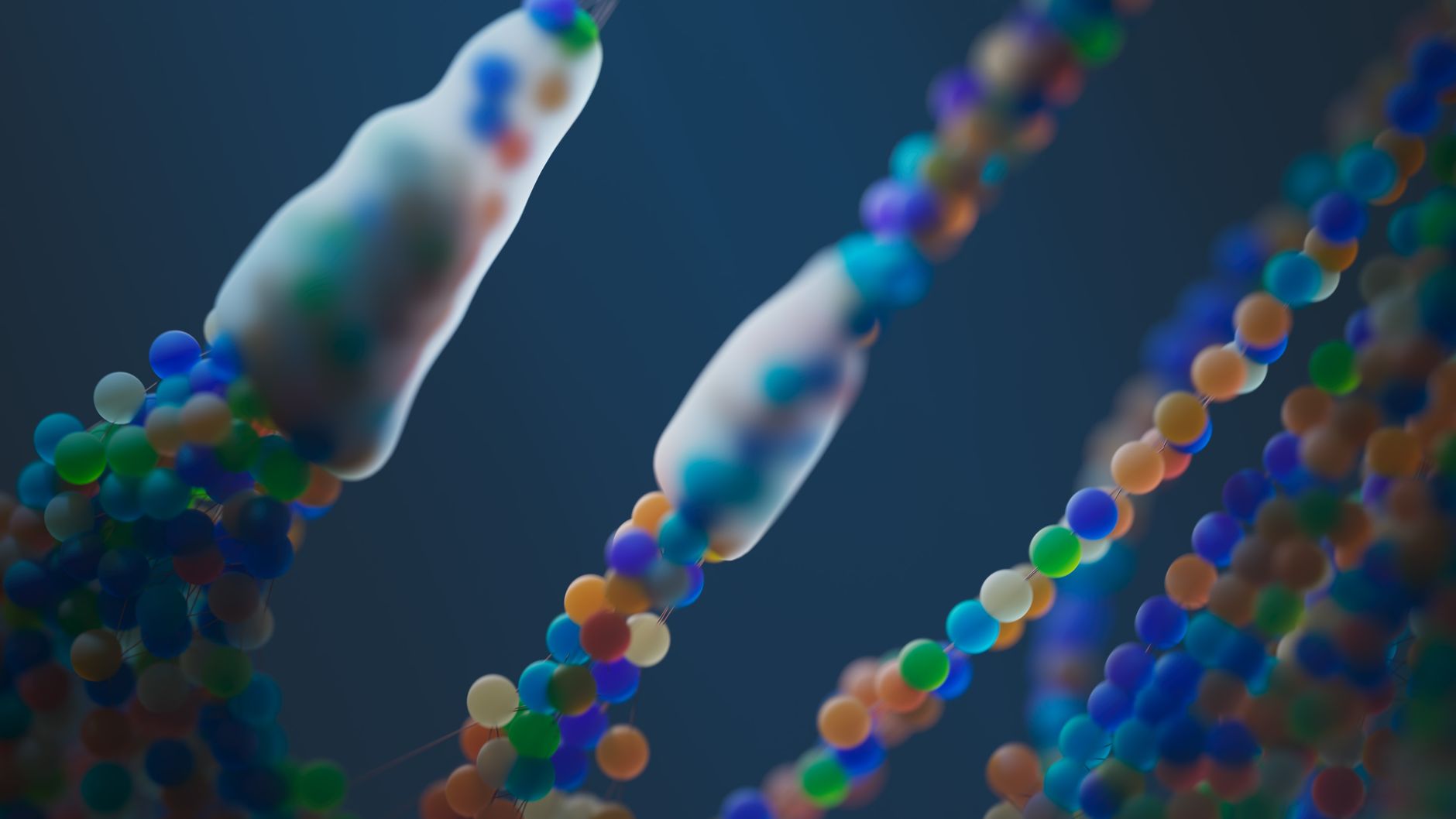
In a discovery that upends decades of scientific wisdom, researchers at the Centre for Genomic Regulation (CRG) in Barcelona have revealed that collagen, the human body's most ubiquitous protein, behaves quite differently within our cells than previously thought. Rather than existing as the long, rigid rods that have populated biology textbooks for the last fifty years, collagen is found in a liquid-like state inside cells.
This remarkable insight was published in the Journal of Cell Biology, marking the first direct observation of collagen's true form within living cells. According to the researchers, led by Professor Maria Garcia, the protein forms liquid-like droplets in the endoplasmic reticulum, a major cellular organelle responsible for protein synthesis and folding.
Implications for Medicine and Biology
The implications of this discovery are far-reaching. Collagen is a fundamental building block for skin, bones, tendons, and various organs, playing a crucial role in tissue formation and repair. Understanding its liquid-like nature within cells could shed light on the processes of cellular organisation and tissue maintenance, potentially leading to advancements in regenerative medicine and treatments for degenerative diseases.
For decades, scientists have modelled collagen as a solid, rod-like structure, yet this new research paints a more dynamic picture. The discovery that collagen can merge and form structures inside cells could help explain how tissues maintain their integrity and heal after injury. Furthermore, it may lead to novel insights into the pathology of collagen-related disorders.
Challenging Textbook Knowledge
This revelation not only changes our understanding of collagen but also invites a reevaluation of other long-standing biological assumptions. The ability of proteins to exist in multiple states within cells is a burgeoning area of study, and findings such as these underscore the complexity of cellular biology.
Professor Garcia notes, "This discovery challenges our fundamental understanding of cellular processes. It opens new pathways for research into how protein dynamics contribute to cellular function and organisation." As researchers continue to unravel the mysteries of the microscopic world, the fluid nature of collagen could prove to be just the tip of the iceberg.