Revolutionary Knee Procedure Offers Relief Without Surgery
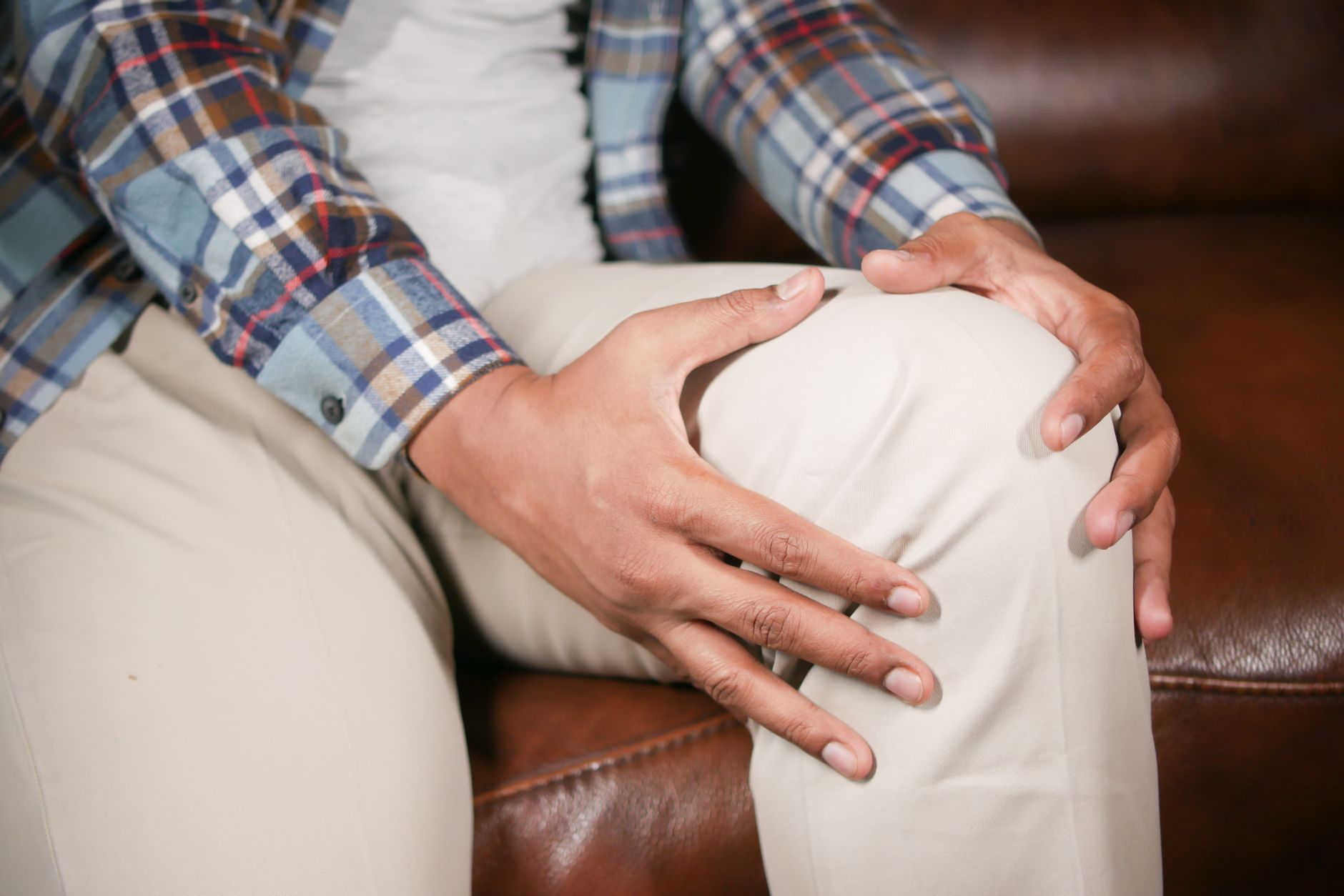
For those plagued by the relentless ache of knee arthritis, salvation may now be at hand. A novel procedure, known as genicular artery embolisation (GAE), is offering sustained relief from pain without the daunting prospect of surgery. This breakthrough comes as a beacon of hope for millions who endure the daily trials of osteoarthritis.
GAE involves the strategic blocking of abnormal blood vessels surrounding the knee joint, which are known to exacerbate inflammation and pain. By deploying tiny, gelatin-based microspheres, interventional radiologists can effectively halt this unwelcome blood flow, thereby calming inflammation. The result, according to recent studies, is a marked improvement in both pain management and joint mobility.
A Minimally Invasive Marvel
Unlike traditional surgical interventions, GAE is minimally invasive, requiring no large incisions or lengthy recovery periods. This aspect alone makes it an attractive option for patients who either cannot undergo surgery or wish to delay it as long as possible. Patients typically experience significant pain relief and enhanced quality of life for up to a year following the procedure.
The procedure's efficacy was highlighted in a recent publication in the Journal of Vascular and Interventional Radiology, which documented the positive outcomes for many patients. Researchers emphasise that while the procedure does not cure osteoarthritis, it significantly improves the day-to-day experience of those afflicted.
Implications for the Future
The potential implications of GAE are profound. With osteoarthritis being one of the leading causes of disability worldwide, an effective, non-surgical treatment could have significant impacts on healthcare systems and patient lives. By providing an alternative to knee replacement surgery, GAE could reduce the burden on both patients and healthcare providers.
As research continues, the hope is that GAE will become a standard option for managing knee arthritis, offering a much-needed reprieve from the debilitating effects of the condition. For now, those suffering from osteoarthritis can find solace in the knowledge that there is a new frontier in pain management, and it does not involve the dreaded knife.