Robots Begin to Take Over Scientific Work in Autonomous Labs
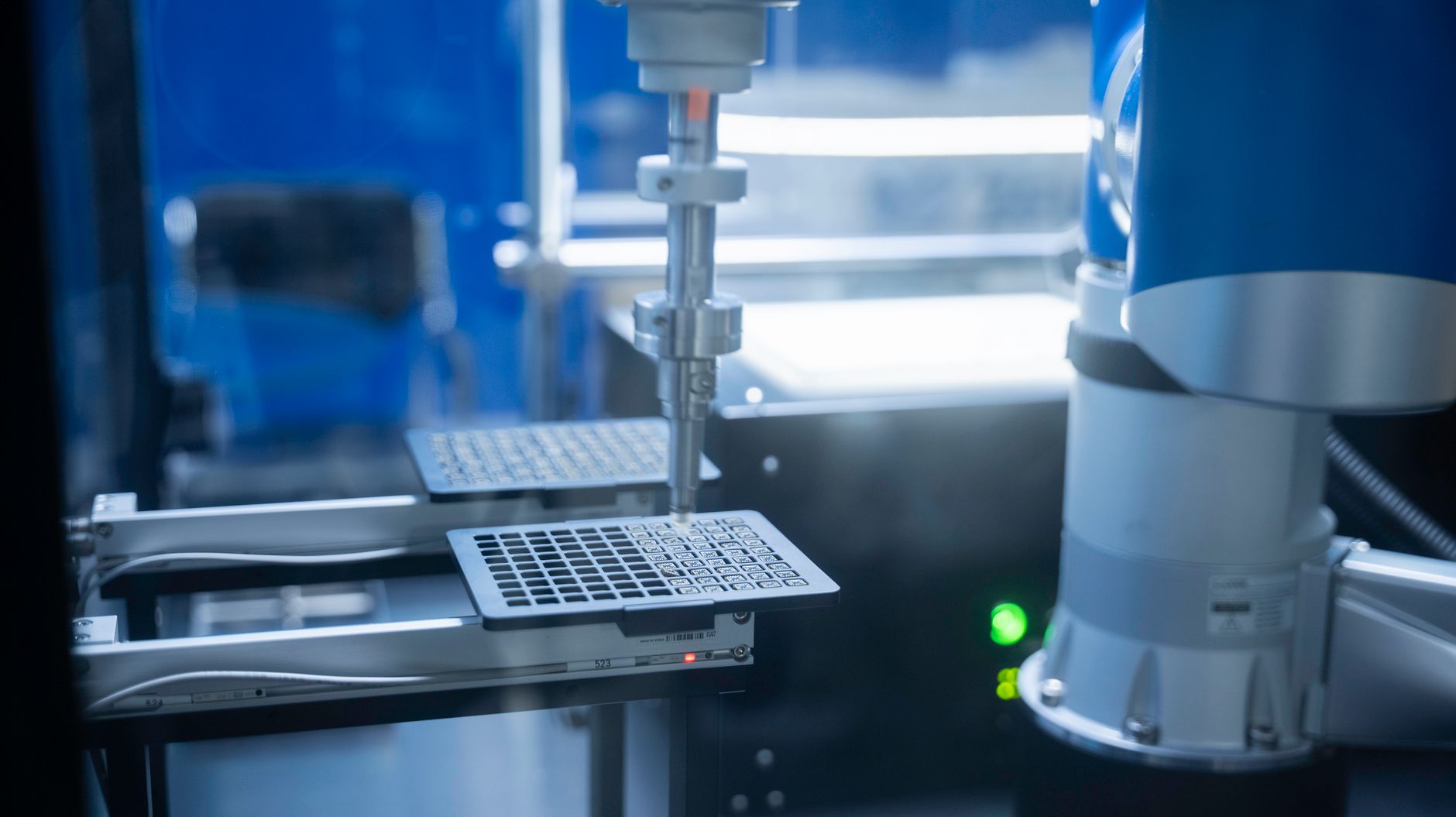
The quiet whirr of machinery in a laboratory at Argonne National Laboratory belies a significant shift in scientific methodology. Here, robots are beginning to shoulder the burden of laboratory work, a task once reserved exclusively for humans. In these autonomous labs, the traditional image of white-coated scientists peering into microscopes is being reimagined.
The concept is simple yet revolutionary: let robots handle the repetitive and precise tasks, freeing human scientists to focus on interpretation and strategic thinking. It's an idea that has been met with varying degrees of enthusiasm. Early potential investors were hesitant, perhaps envisioning science fiction scenarios rather than practical applications. Yet, proponents argue that automation could dramatically enhance the speed and precision of scientific discovery.
Learning by Example
These robots are not your average assembly line machines. They're designed to learn directly from scientists as they perform their experiments. This approach, according to researchers, allows for a seamless transition of knowledge from human to machine, ensuring that the robots can replicate complex tasks with a high degree of accuracy.
Dr. Kelly, a leading figure in the development of these autonomous systems, explains, "Our aim is to automate the mundane so that scientists can focus on the creative and conceptual challenges." This vision aligns with the broader trend of integrating artificial intelligence into various fields, with the aspiration of creating co-scientists capable of working alongside humans.
The Road Ahead
Despite the excitement surrounding these developments, it's worth noting that only a small fraction of life science teams currently see significant value in AI-driven lab work. However, as technology continues to advance, this perception might change. The potential for robots to conduct experiments tirelessly and with consistent precision presents an enticing prospect for industries reliant on lab research.
For now, the future of autonomous laboratories remains a topic of debate and exploration. Yet, as these robotic lab assistants prove their worth, they may well become an indispensable part of the scientific process, heralding a new era of innovation and discovery.