Saudi Scientists Unveil NESCOD: Cooling Without Electricity
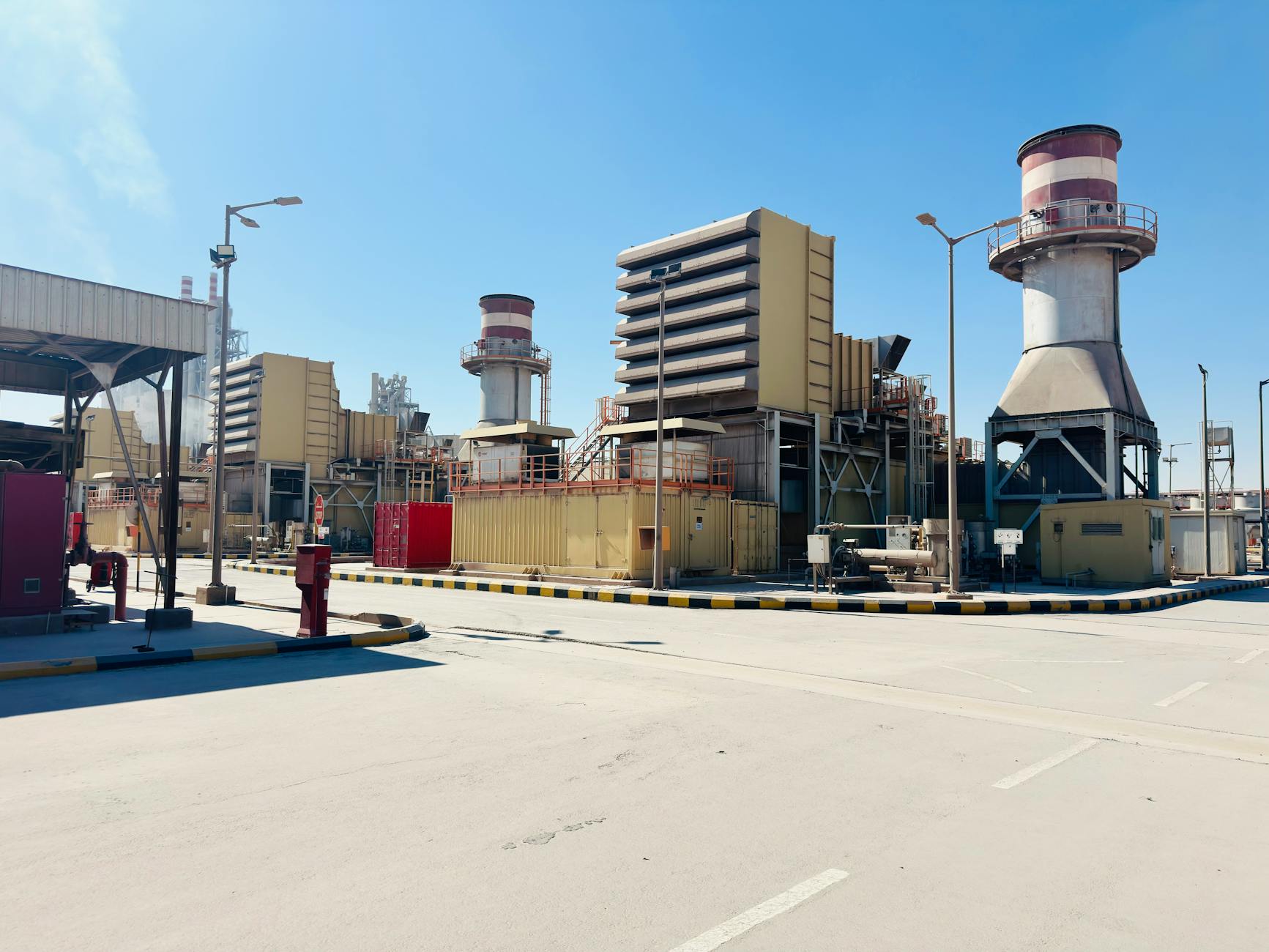
In the sun-drenched expanses of Saudi Arabia, where summer temperatures can soar to unbearable heights, a team of scientists has engineered a solution that could redefine cooling technology as we know it. Enter NESCOD: No Electricity and Sustainable Cooling on Demand. Developed at the King Abdullah University of Science and Technology (KAUST), this innovative system operates entirely without electricity, promising a cost-effective and ecologically sound method of keeping spaces cool.
The mechanics of NESCOD are both simple and ingenious. The system employs a two-stage thermodynamic process that utilises solar energy to regenerate a salt solution. In the first stage, ammonium nitrate dissolves in water, a process that absorbs heat and thus cools its surroundings. The second stage involves using solar power to separate the salt from water, readying the solution for another cycle of cooling.
Saudi Arabia’s energy consumption is heavily skewed towards air conditioning, accounting for an astonishing 70% of electricity use during the sweltering summer months. The introduction of NESCOD could alleviate this burden significantly, offering a sustainable alternative to traditional, electricity-dependent refrigeration systems. Professor Peng Wang, who led the research team, emphasises that the system’s refrigeration output can reach up to 191 W/m², a promising figure for regions grappling with heat extremes.
A Broader Implication
Beyond its immediate application in Saudi Arabia, NESCOD could have global implications. As climate change continues to exacerbate heatwaves worldwide, the demand for energy-efficient cooling solutions is more urgent than ever. Innovations like NESCOD not only present a feasible path towards sustainable living but also highlight the role of scientific ingenuity in addressing environmental challenges.
NESCOD's development underscores the potential of harnessing natural processes and renewable energy sources to meet modern needs. It is a testament to the ingenuity driving the fight against climate change, one cooling cycle at a time.