Science Updates: From Flood Alerts to Armenian Elections
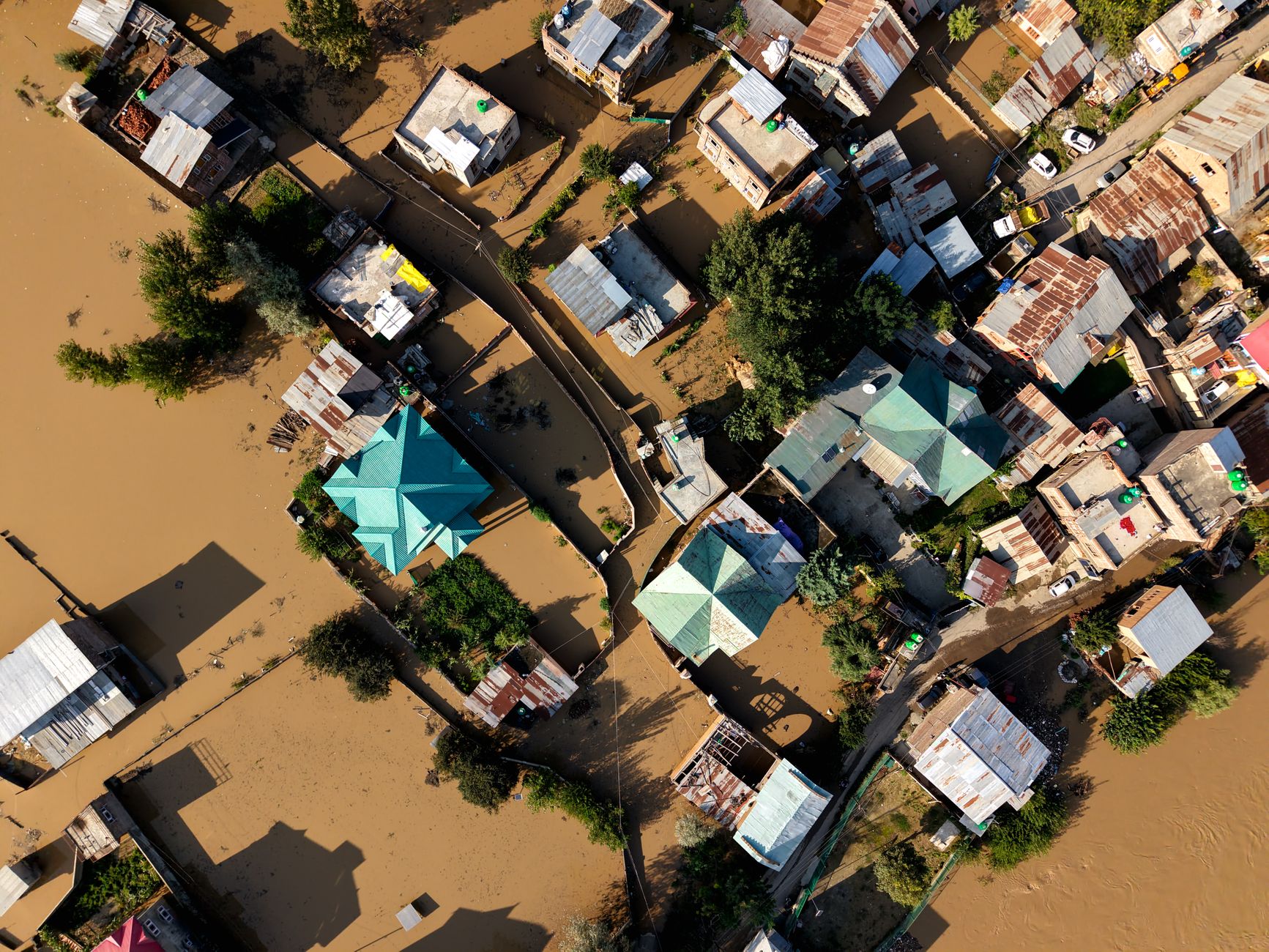
As the calendar flips to June 2026, the world finds itself on the brink of several scientific and political developments. A slow-moving storm system is expected to sweep across certain regions, bringing with it the threat of localised flooding. The United States' National Weather Service has issued a slight risk of excessive rainfall for Monday, with the potential extending into Tuesday. Residents are advised to stay alert as the storm could disrupt daily life significantly.
Meanwhile, halfway across the globe, Armenia is gearing up for a general election, scheduled for 7 June 2026. The election is poised to be a significant event, not just politically but also scientifically. Polling techniques have evolved, with snapshot polls offering insights into potential coalition scenarios and forecasts. These scientific methodologies are crucial in understanding voter behaviour, a testament to the power of science in shaping political landscapes.
While the weather and politics seem worlds apart, they share a common thread: the influence of science. The storm's path and intensity are products of meteorological science, a field dedicated to understanding atmospheric phenomena. Similarly, the Armenian election is being scrutinised under the lens of statistical science, with opinion polls providing a data-driven glimpse into the electorate's mind.
As the world watches these events unfold, it becomes clear that science is not merely confined to laboratories and research papers. It is a dynamic force, interwoven with everyday life, guiding decisions and prompting actions. Whether it's predicting rainfall or predicting election outcomes, science plays a pivotal role in the narratives of our time.