Scientists Defy Mendel: New Genes Shatter Old Genetic Laws
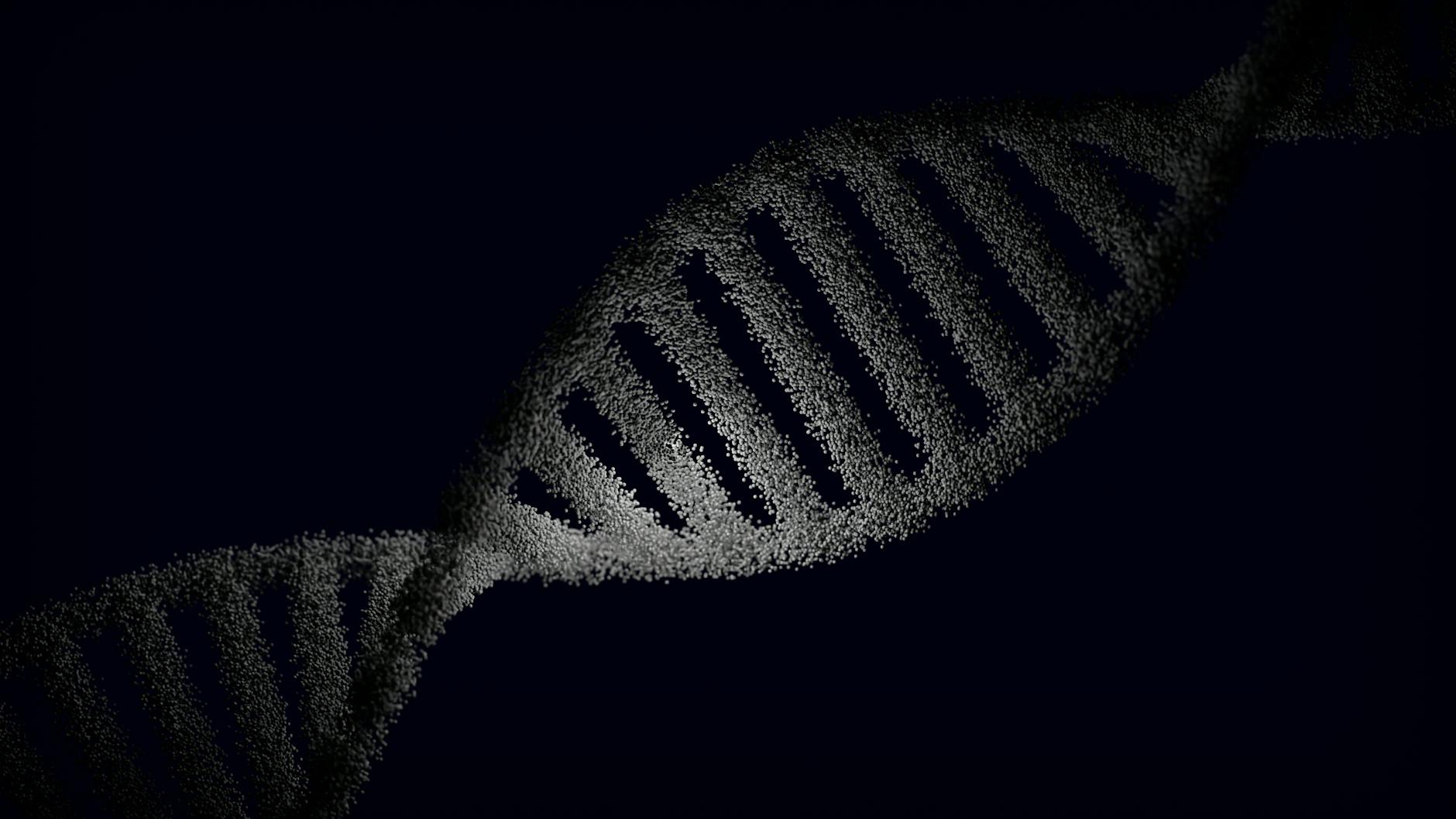
In a revelation that could reshape our understanding of genetics, researchers have identified inherited traits that do not conform to the well-established Mendelian principles. These traits, passing from one generation to the next, suggest that there is more to genetic inheritance than previously thought.
Mendel's laws, formulated in the 19th century by Gregor Mendel, an Augustinian friar, laid the foundation for classical genetics. His experiments with pea plants revealed how traits such as colour and shape are inherited, introducing the concept of dominant and recessive alleles. However, recent discoveries have shown that this model does not account for all genetic phenomena.
Beyond Mendel: The Epigenetic Frontier
Scientists are now delving into the realm of epigenetics, where modifications in DNA, such as methylation, can affect gene expression without altering the underlying DNA sequence. These modifications can be influenced by environmental factors and can be passed down to subsequent generations, defying the traditional Mendelian framework.
Dr. Eleanor Sharp, a leading geneticist involved in the study, noted, "This discovery challenges the conventional wisdom of genetics. It opens up new avenues for understanding how genes are regulated and inherited across generations."
Implications for the Future
The implications of this research are profound. It suggests that traits inherited in a non-Mendelian fashion could play significant roles in human health, evolution, and the adaptation of species. This could lead to novel approaches in treating genetic disorders and broader insights into the complexity of life itself.
As genetic research advances, the scientific community acknowledges that Mendel's laws, while foundational, are just the beginning. The burgeoning field of epigenetics is likely to reveal even more intricate mechanisms of heredity, challenging our current understanding and sparking debate within the scientific community.
As we look to the future, these findings underscore the dynamic nature of science, where even the most time-honoured theories can be revisited and revised. The quest for knowledge continues, with each discovery bringing a fresh perspective and sparking curiosity and innovation.