Scientists Embrace 'Vibe Coding' with AI: Tips from Early Pioneers
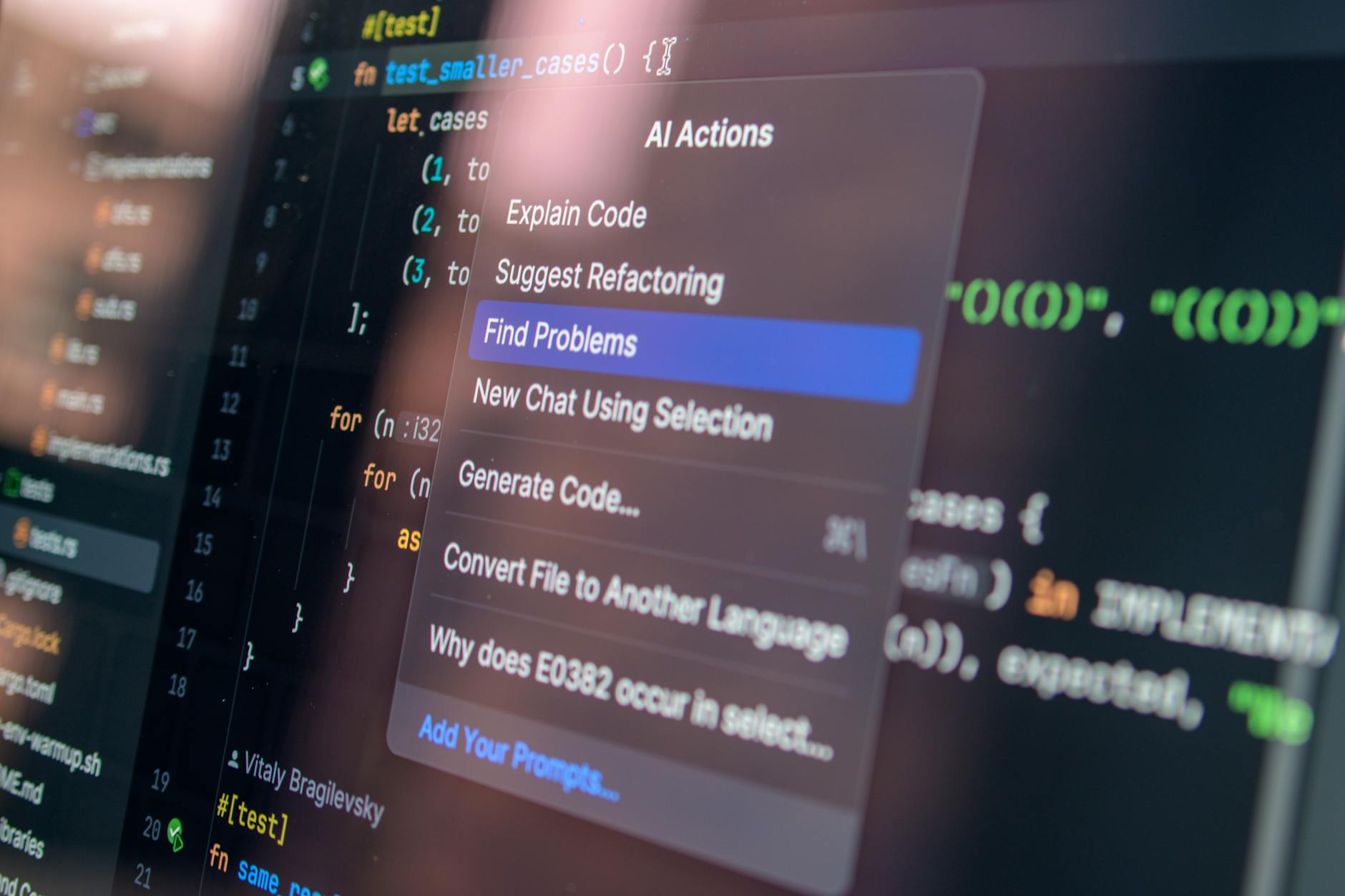
In laboratories from Cambridge to Calcutta, a quiet revolution is underway. Scientists are trading traditional coding for a more conversational approach, known as 'vibe coding'. With AI tools like Cursor and Windsurf, they are reshaping the way research is conducted, turning ideas into prototypes faster than ever before.
The essence of vibe coding lies in its simplicity and efficiency. By speaking to AI in natural language, scientists no longer need to toggle between complex documentation and intricate code. Instead, they describe their goals, and the AI generates the necessary code. This has profound implications for fields like climate science, where rapid data analysis is crucial.
The Rise of AI-Assisted Tools
AI-assisted coding tools are not without their pitfalls. Critics argue that reliance on AI could lead to a loss of traditional programming skills. Yet, early adopters see it differently. Dr. Anjali Mehta, a physicist at Oxford, suggests that vibe coding is liberating. "It's like having a research assistant who never tires," she quips.
For those venturing into vibe coding, the advice is clear: start small. Developing a minimum viable tool (MVT) before scaling up can save time and resources. This approach allows scientists to test and refine their ideas quickly.
A New Frontier in Research
As AI-driven coding becomes more prevalent, the scientific community faces a new frontier. The ability to rapidly prototype and iterate means that discoveries could happen faster. However, this also calls for a new ethical framework to ensure AI is used responsibly.
In conclusion, vibe coding represents a shift in how science is done. By harnessing AI's potential, scientists are not just saving time; they are expanding the boundaries of what is possible. As this trend gathers momentum, the scientific community must navigate the challenges it presents, balancing innovation with integrity.