Scientists Simplify the Path to Powerful Quantum States
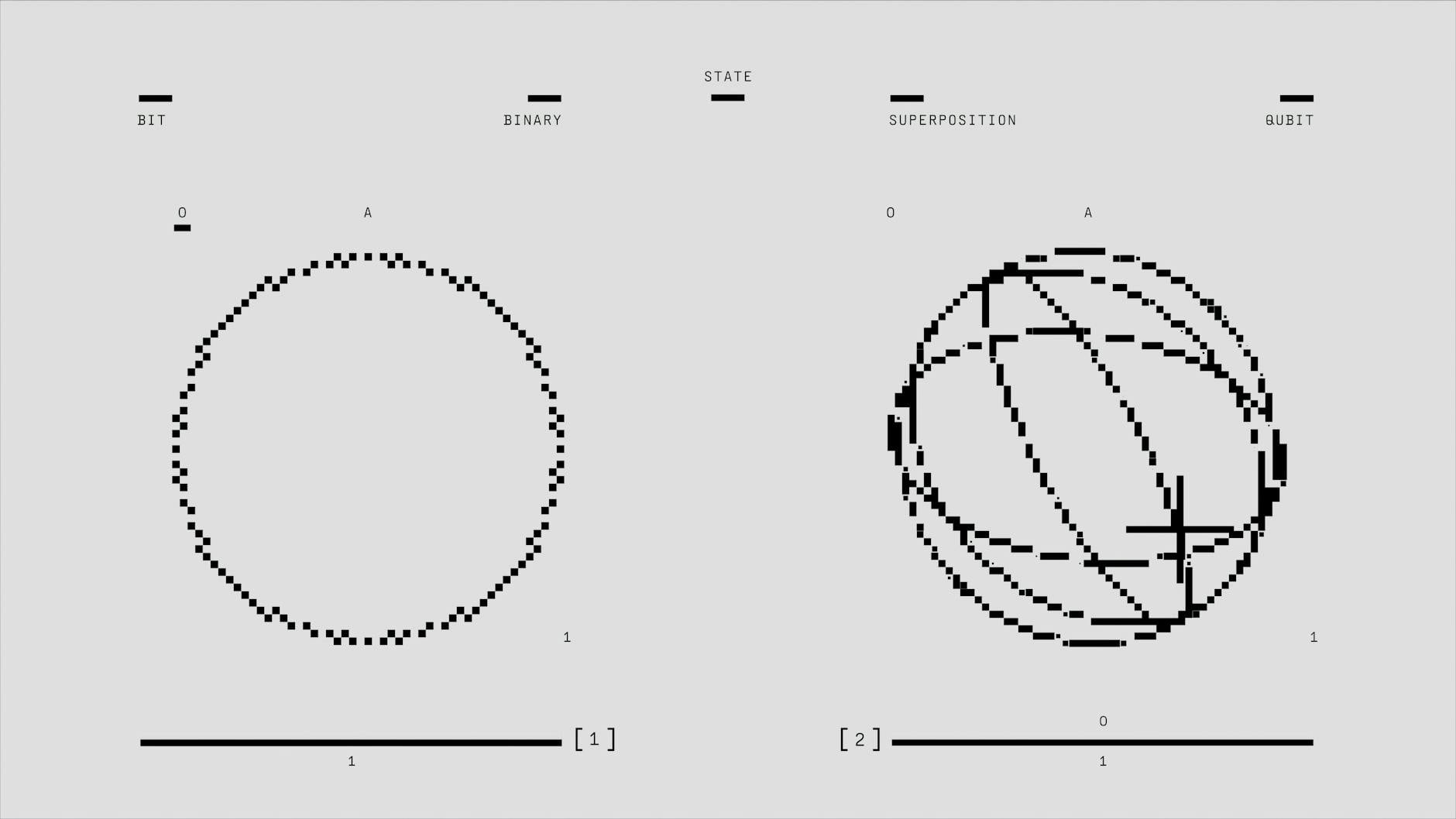
In the often perplexing world of quantum mechanics, simplicity is rarely associated with progress. Yet, a team of researchers has defied expectations by finding a surprisingly uncomplicated method to generate powerful quantum states. This revelation opens new avenues in the realm of quantum computing and sensing.
At the core of this discovery is a minor adjustment to the traditional quantum optics setup. By altering how quantum decay is approached, scientists have managed to produce a diverse range of entangled quantum states. Traditionally, quantum engineers viewed dissipation—the process where quantum systems lose information—as an obstacle. However, this research turns that notion on its head, using dissipation to create more robust quantum states.
The Quantum Leap
Quantum parallelism, the idea that quantum computers can evaluate multiple inputs simultaneously, lies at the heart of why this discovery matters. Entangled states are crucial for quantum parallelism, and thus for the efficiency of quantum computers. Moreover, these states are pivotal for quantum sensors, which can detect minuscule differences in environmental factors like magnetic and gravitational fields.
Such advancements could lead to more precise measurements in fields ranging from fundamental physics to medical imaging. The ability to detect subtle changes could, for instance, offer new insights into the Earth's gravitational anomalies or help in the early diagnosis of diseases through advanced imaging techniques.
Implications and Future Prospects
The simplicity of this method could democratise access to quantum technologies, potentially accelerating their integration into mainstream applications. The ability to generate powerful quantum states without complex setups could make quantum sensing more accessible and affordable.
Though still in its nascent stages, this research hints at a future where quantum technologies are not confined to specialised labs but are instead ubiquitous in everyday life. As researchers continue to explore and refine these techniques, the potential applications seem almost limitless. From revolutionising computing to enhancing our understanding of the universe, the implications are as vast as they are exciting.