Scientists Uncover Schrödinger's Colour Conundrum After a Century
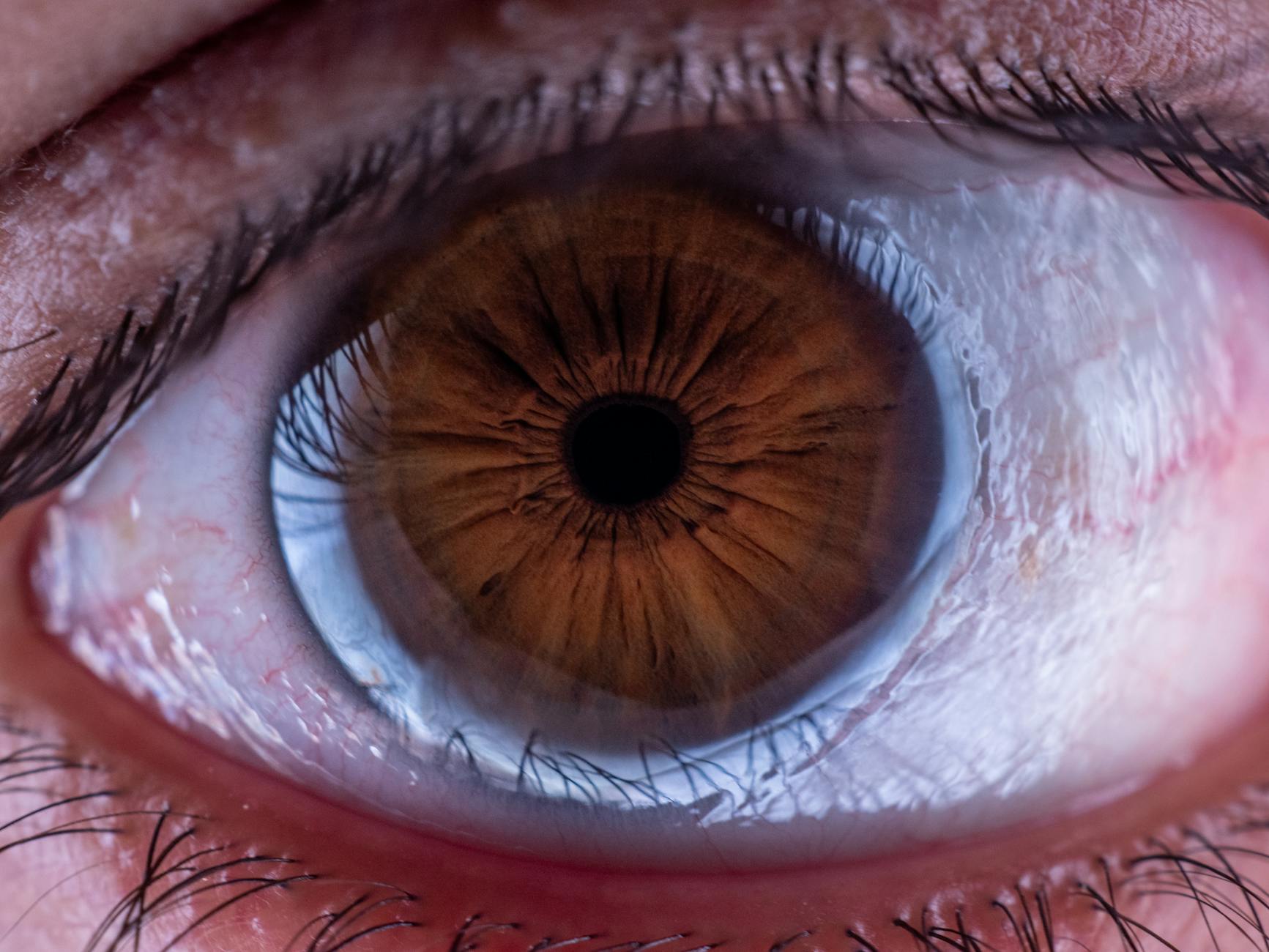
In a revelation that would have intrigued Erwin Schrödinger himself, scientists have finally cracked a conundrum that has puzzled minds for a century. At the heart of this mystery lies the nature of colour perception, a field where Schrödinger was a pioneer, yet one with its own set of unresolved puzzles.
In the early 20th century, Schrödinger ventured beyond quantum physics and into the realm of psychology, particularly fascinated by how humans perceive colour. He published a series of papers proposing theories on colour perception and colourimetry. Despite his groundbreaking work, a flaw in his theory persisted—until now.
The Geometry of Colour
Recent advances have revealed the hidden geometry behind human colour perception. By mapping colours in a new, multidimensional space, scientists have managed to elucidate not just how we see colours, but why certain hues elicit specific responses in the brain. This revelation rectifies the limitations in Schrödinger's original theory, offering a more complete understanding of the human visual experience.
Understanding colour perception is not merely academic. It holds profound implications for both technology and the arts. With a clearer grasp of how colours are processed, digital displays can be optimised for more accurate colour representation. Artists, too, stand to benefit as they gain insights into the emotional and psychological impacts of colour.
Implications for the Future
As we continue to explore the nature of perception, this breakthrough reminds us of the intricate complexities of the human mind. The implications stretch beyond mere academic curiosity, potentially influencing the way industries approach everything from product design to virtual reality.
One might say this is Schrödinger's cat of a different colour—a scientific puzzle that, once solved, opens up new vistas of understanding. And so, a century-old mystery finds its resolution, enriching both our scientific and aesthetic appreciation of the world.