Scientists Uncover Vast Fungal Network Stretching Across Planets
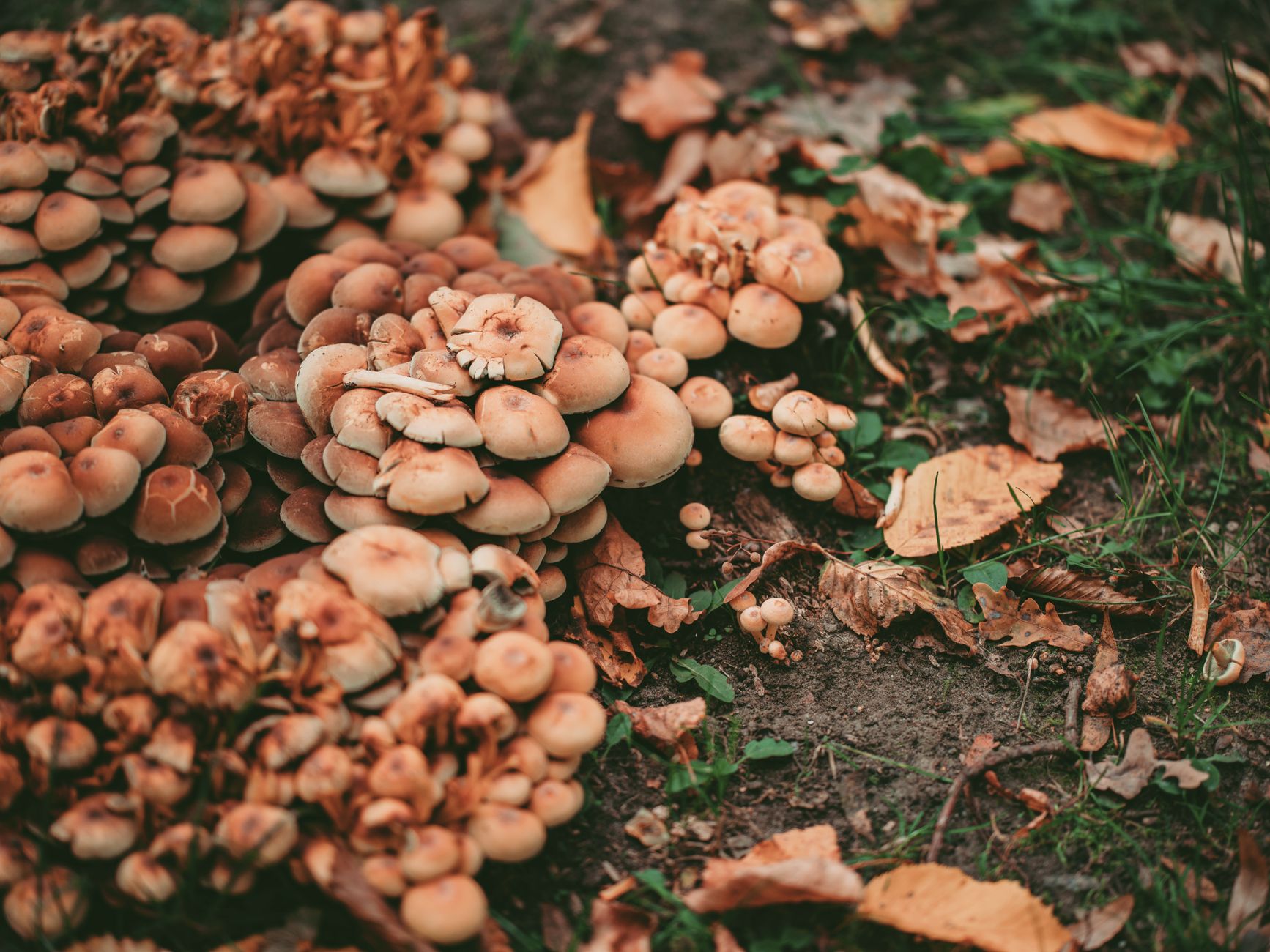
In a revelation that might well belong to the pages of a gripping science fiction novel, scientists have unveiled a gargantuan fungal network sprawling beneath the Earth's surface. Stretching an extraordinary 110 quadrillion kilometres, this network of arbuscular mycorrhizal (AM) fungi resembles the vast, interstellar reach of Andy Weir's 'Project Hail Mary'.
This discovery, however, is not the stuff of fiction. It underscores the incredible complexity and significance of subterranean ecosystems, which have long been hidden from human eyes. These fungi play an indispensable role in soil health, aiding in nutrient absorption and carbon cycling, thus maintaining ecological equilibrium.
The Unsung Heroes of the Soil
Hidden from sight, AM fungi form symbiotic relationships with the roots of most plants, facilitating the exchange of nutrients and enhancing plant growth. They are often referred to as the 'internet of the soil', connecting plants through a vast underground network. This symbiosis is crucial for the health of forests, grasslands, and agricultural systems alike.
The implications of this discovery are profound. By mapping the global distribution of these fungi, scientists can better understand how carbon is stored in soils, offering potential strategies to mitigate climate change. The research also highlights the pressing need to protect these fungal networks from the threats posed by deforestation, industrial agriculture, and climate change.
A Nod to Science Fiction
The comparison to 'Project Hail Mary', a novel where interstellar travel is key to humanity's survival, is more than mere hyperbole. The scale of these fungal networks rivals the vast distances that separate stars, reminding us of the interconnectedness of life on Earth. This discovery invites further exploration into the hidden dynamics of our planet's ecosystems.
As we continue to unearth the mysteries beneath our feet, the role of fungi in the grand tapestry of life becomes ever more evident. Their quiet, relentless work not only supports plant life but also offers solutions to some of our most pressing environmental challenges. In understanding and protecting these networks, we may yet find pathways to a more sustainable future.