Scientists Unveil Reversible Cause of Cellular Ageing
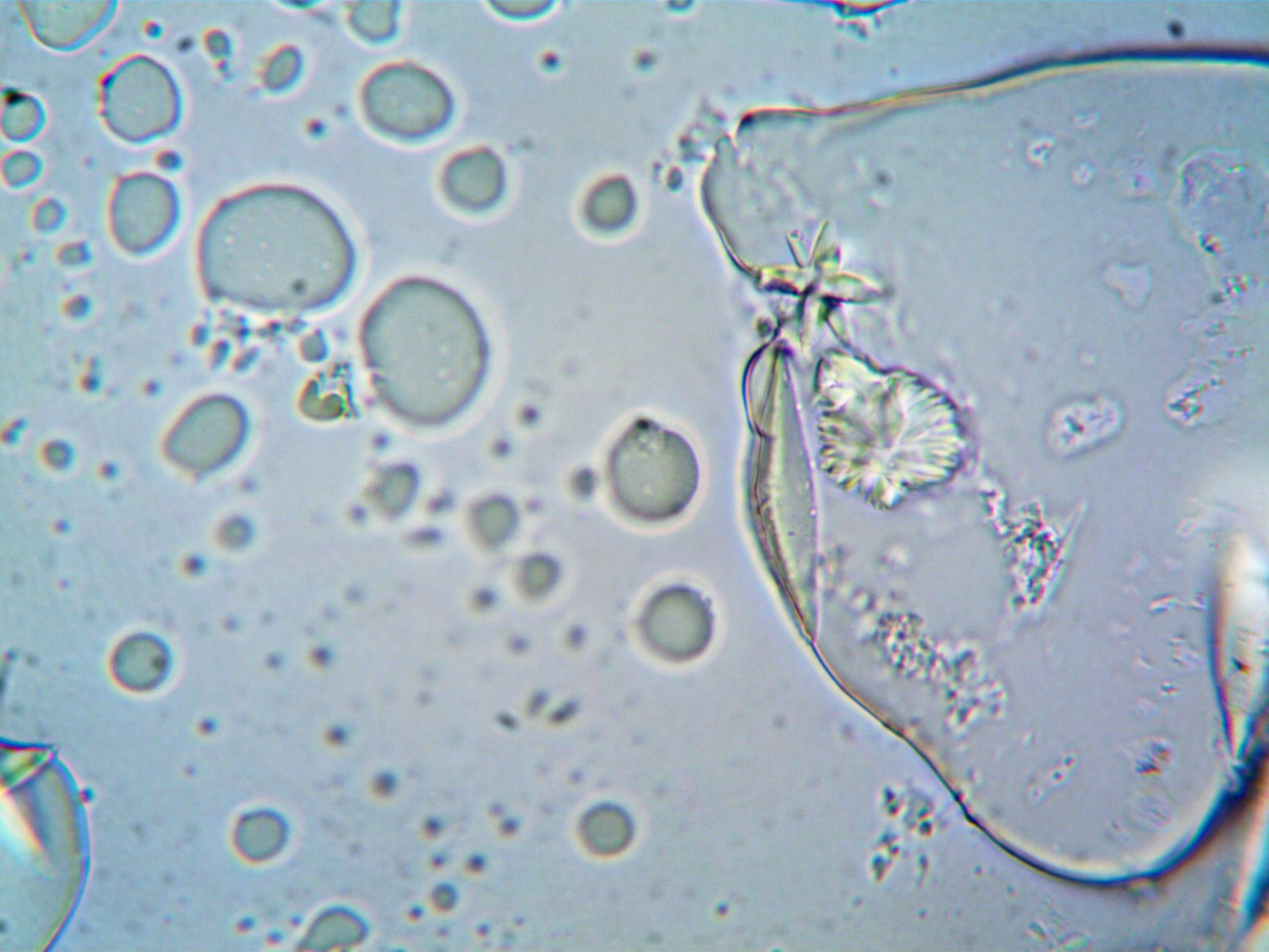
Ageing, often regarded as the inevitable march towards senescence, might have met its match. In what could be a pivotal moment in the study of human longevity, scientists have uncovered a hidden cause of cellular ageing that surprisingly can be reversed.
The research, conducted by a team of molecular biologists, focuses on the intricate dance of cellular mechanisms that dictate how cells age and eventually die. It appears that a previously overlooked factor, involved in cellular metabolism, plays a significant role in the ageing process.
Unveiling the Secret
For years, the scientific community has been aware of the gradual decline in cellular function that accompanies ageing. However, this new study sheds light on how specific metabolic pathways, when disrupted, accelerate cellular deterioration. By restoring these pathways, researchers were able to rejuvenate cells in laboratory settings, effectively turning back the biological clock.
Professor Emily Carter, the lead scientist, expressed cautious optimism: "While this is an early-stage discovery, the implications are profound. We have a long road ahead in terms of clinical application, but the possibility of reversing cellular ageing is now within the realm of possibility."
Implications and Future Prospects
The implications of this discovery are vast. If the ageing process can be reversed at the cellular level, it opens up new avenues for treating age-related diseases such as Alzheimer's, Parkinson's, and cardiovascular ailments. Moreover, it raises ethical questions regarding the extension of human lifespans and the societal impacts thereof.
As researchers continue to explore this promising avenue, the scientific community watches with bated breath. The potential to not only halt but reverse the ageing process could redefine medical science and reshape our understanding of life itself.
For now, the focus remains on translating these findings from the laboratory to practical, safe treatments. Should this be achieved, the ramifications could be nothing short of revolutionary.