Sea Level Rise Accelerates: A Growing Concern for Our Planet
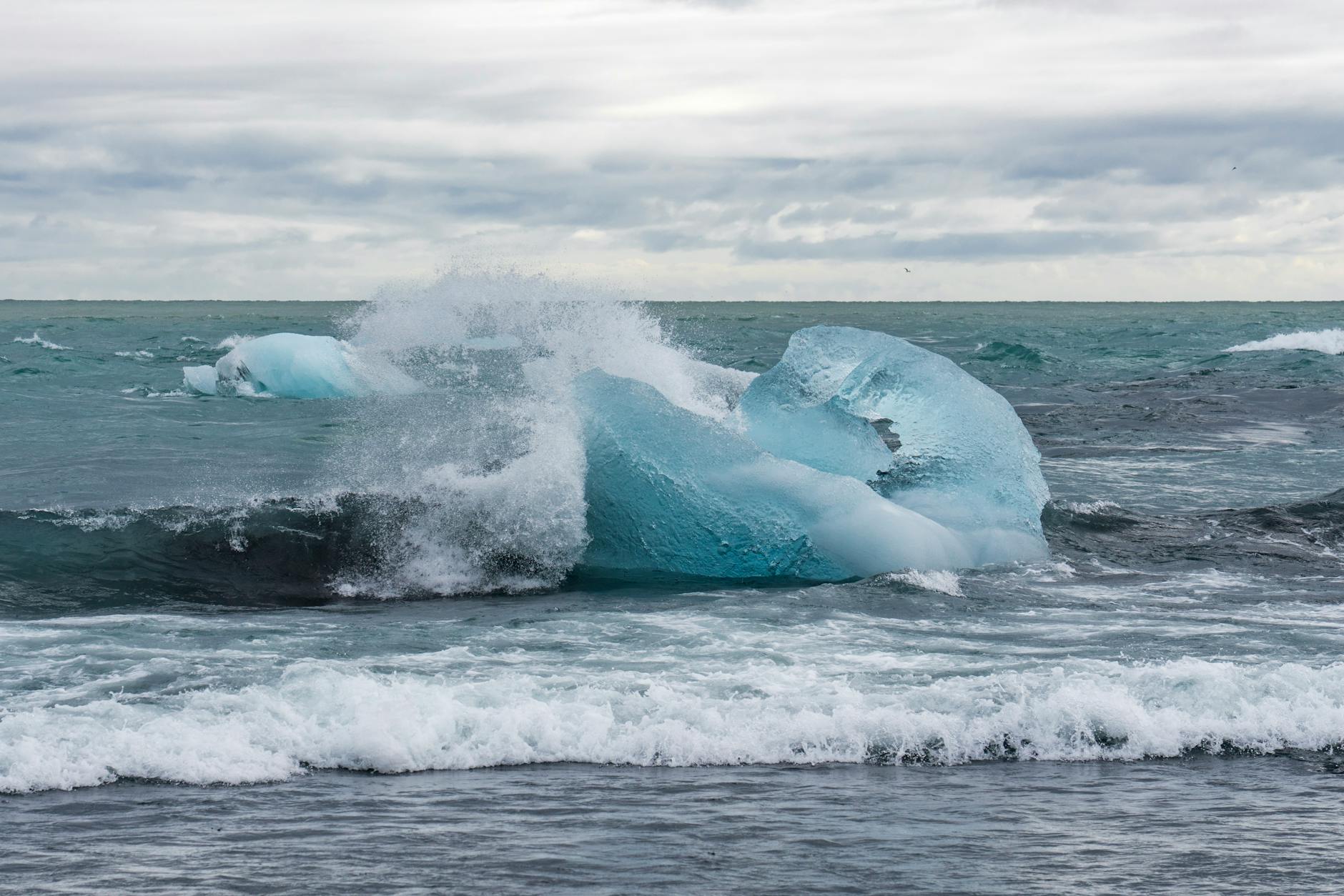
The relentless march of rising seas continues to gather pace, with new scientific research offering a sobering confirmation: sea levels have been accelerating in their rise since the 1960s. While the causes are manifold, the principal culprits remain ocean warming and the melting of ice sheets, notably in Greenland and the Antarctic.
What separates this study from its predecessors is the clarity it brings to a previously murky picture. For decades, scientists have grappled with a 'budget gap' — the inability to precisely account for the factors driving sea level rise. Enhanced instruments and refined analysis have now closed this gap, providing a comprehensive view of how our planet's water bodies are evolving.
The Challenges of a Rising Tide
Stefan Rahmstorf, a noted physics professor at Potsdam University, remarked on the unprecedented nature of this phenomenon. 'During the past millennia, sea level has never risen nearly as fast as during the last century,' he stated, underscoring the extraordinary impact of global warming.
Since 1960, the global sea level has been climbing at an average rate of 2.06 millimetres per year. However, this rate has doubled in recent decades. Alarmingly, since 2003, the annual rise has surged to 8.67 millimetres, a stark reminder of the accelerating crisis.
The Implications for Coastal Communities
The implications for coastal communities are profound. As the seas encroach upon the land, millions face displacement, with infrastructure and ecosystems hanging in the balance. Nations must now grapple with the dual challenge of mitigating further climate change while adapting to its inevitable impacts.
The study serves as a clarion call for action, urging policymakers to prioritise sustainable practices and bolster defences against the encroaching tide. The urgency is palpable, for as the waters rise, so too does the imperative for collective global action.