Sea Levels Rising Faster: The Accelerating Threat Since 1960
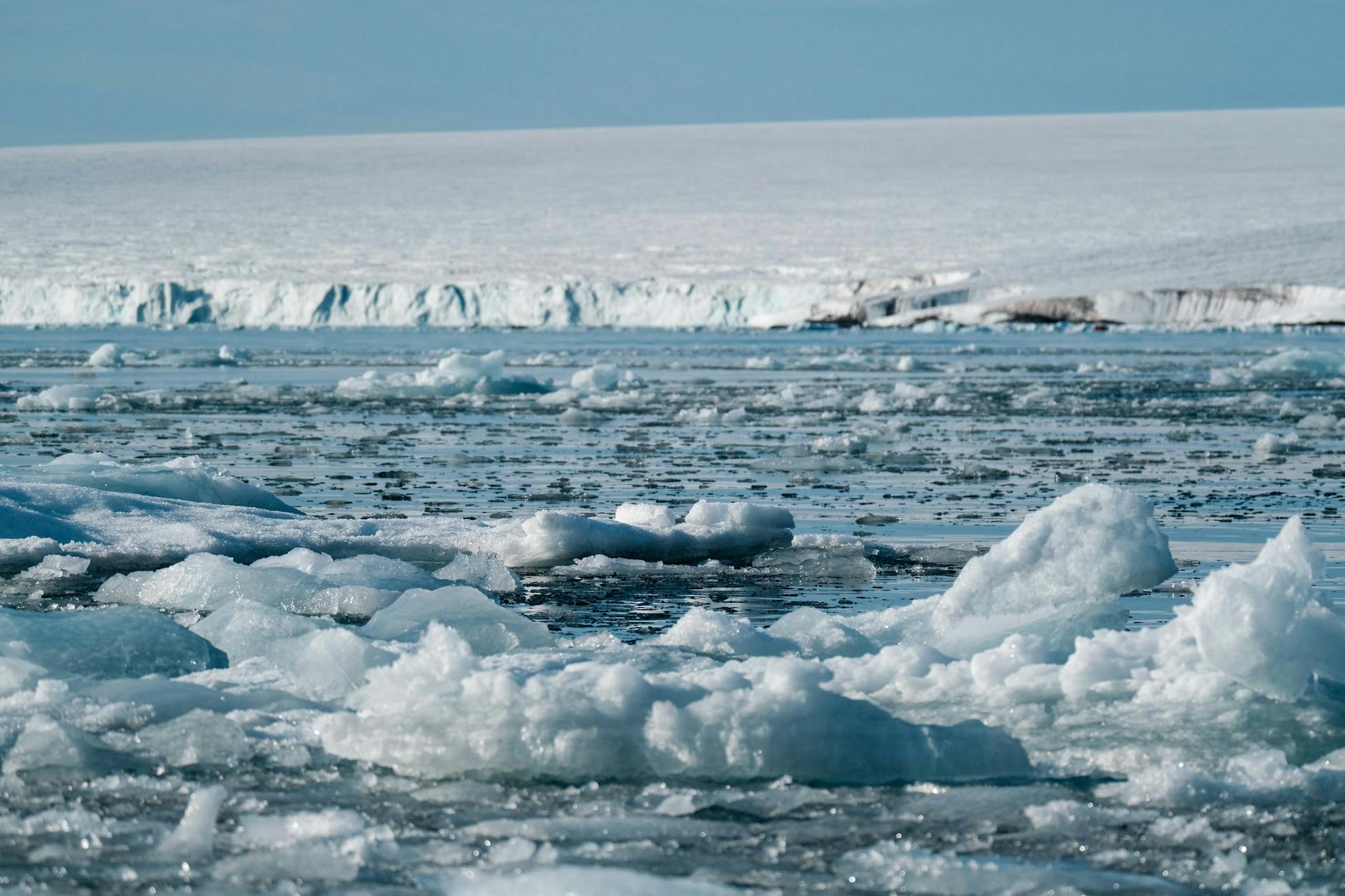
In the ever-evolving landscape of climate science, the latest revelations on sea level rise present a sobering picture. A comprehensive international study has confirmed that global sea levels have been rising at an accelerated pace since 1960, a trend largely driven by human activity. This study, hailed as a significant breakthrough, sheds light on the multifaceted contributors to this phenomenon.
Since 1960, the oceans have warmed considerably, a direct consequence of the increased greenhouse gases in our atmosphere. This warming has caused water to expand and, coupled with the added water from melting glaciers and ice sheets, has led to a marked rise in sea levels. The study reports that since the early 1990s, the rate of sea level rise has doubled, now averaging 4.14 millimetres per year.
Unravelling the Mysteries
The research team employed advanced instrumentation and analytical methods to resolve what was previously a perplexing issue: the discrepancy in sea level budgets. By closing this gap, they have provided a more accurate account of the factors involved. Notably, the study highlights that reduced land water storage, due to factors such as groundwater extraction, has also played a significant role.
Dr. Emily Carter, a lead researcher in the study, noted, "The acceleration of sea level rise is a clear indicator of the impact of anthropogenic climate change. Our findings underscore the importance of urgent policy measures to mitigate these effects".
A Call to Action
The implications of this accelerated sea level rise are profound. Coastal communities worldwide face increased risks of flooding, erosion, and storm surges. The economic and social impacts are likely to be significant, particularly for low-lying nations and island states.
As the world grapples with these findings, the call for international cooperation and robust climate policies has never been more critical. The study serves as a stark reminder that the actions taken today will determine the future of our planet's coastlines and the people who inhabit them.
In conclusion, while the scientific community continues to unravel the complexities of climate change, the evidence presented in this study leaves little room for complacency. It is a clarion call to action, urging nations to unite in the fight against a warming world.