SEHAT Mission: Bridging Agriculture and Health for India's Future
In a move that could redefine the nexus between agriculture and health in India, Union Ministers JP Nadda and Shivraj Singh Chouhan inaugurated the 'SEHAT Mission' in New Delhi. Labelled as both 'historic' and 'unprecedented', this initiative aims to intertwine the realms of agriculture and health more closely than ever before.
Speaking at the launch, Shri Shivraj Singh Chouhan, the Union Minister of Agriculture and Farmers’ Welfare, underscored the essential link between these two sectors. He stated, "The foundation of a healthy nation lies in a well-nourished population." This sentiment was echoed by Shri JP Nadda, the Union Health Minister, who remarked on the potential of this mission to address emerging public health concerns through agricultural innovation.
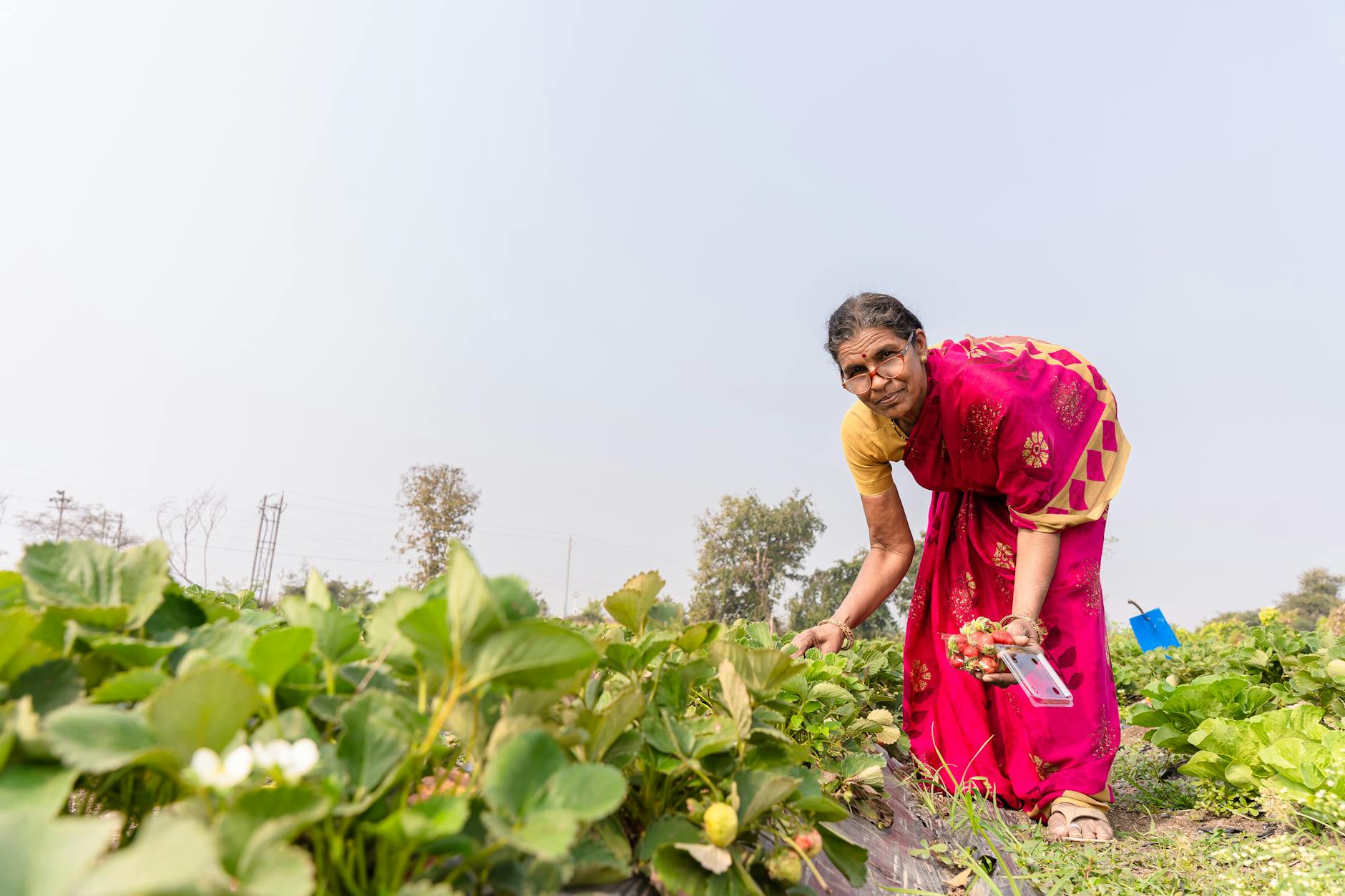
The SEHAT Mission seeks to create a sustainable framework where health and agriculture collaborate symbiotically. By focusing on nutritional needs, it hopes to enhance food security, thereby fostering a healthier populace. This initiative is not just about improving health outcomes but also about bolstering agricultural practices that can support the nutritional requirements of millions.
A Vision for the Future
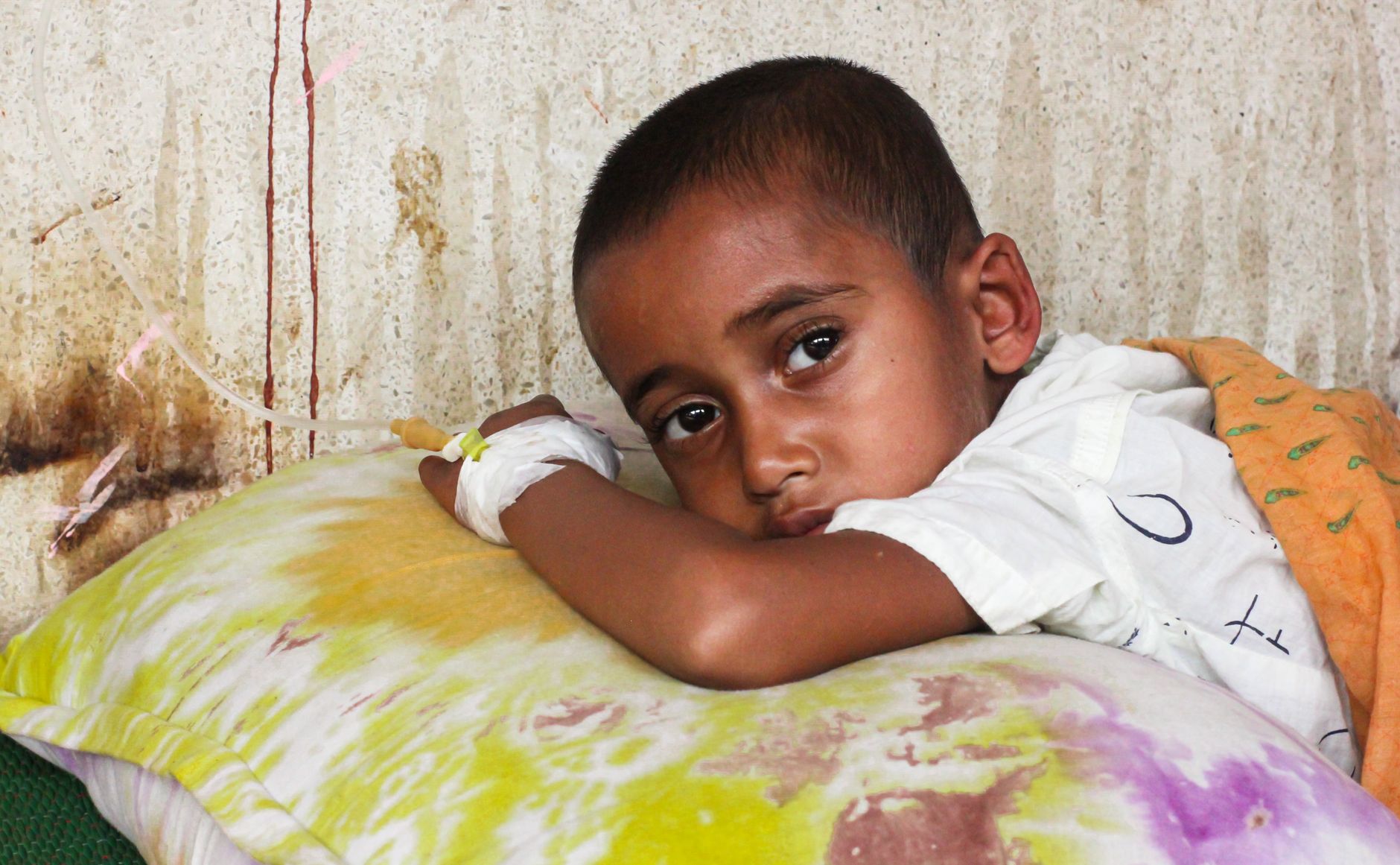
The SEHAT Mission is poised to tackle some of the most pressing challenges facing India today. With malnutrition still a significant issue, especially in rural areas, this mission aims to ensure that agricultural policies are aligned with health objectives. By doing so, it strives to create an ecosystem where nutritious food is accessible to all.
Moreover, the mission's focus on sustainable agricultural practices could pave the way for more resilient food systems. As climate change continues to impact crop yields, such initiatives become crucial to maintaining both the health of the population and the stability of the agricultural sector.
Challenges and Opportunities
While the mission's objectives are ambitious, the path to achieving them is fraught with challenges. Integrating health and agriculture policies requires careful coordination between multiple government departments and stakeholders. However, if successful, the SEHAT Mission could serve as a model for other nations grappling with similar issues.
Ultimately, the SEHAT Mission represents a bold step towards a future where health and agriculture are seen not as separate entities, but as interdependent pillars of national wellbeing. As the initiative rolls out, its success will depend on sustained commitment and innovative approaches to both policy and practice.